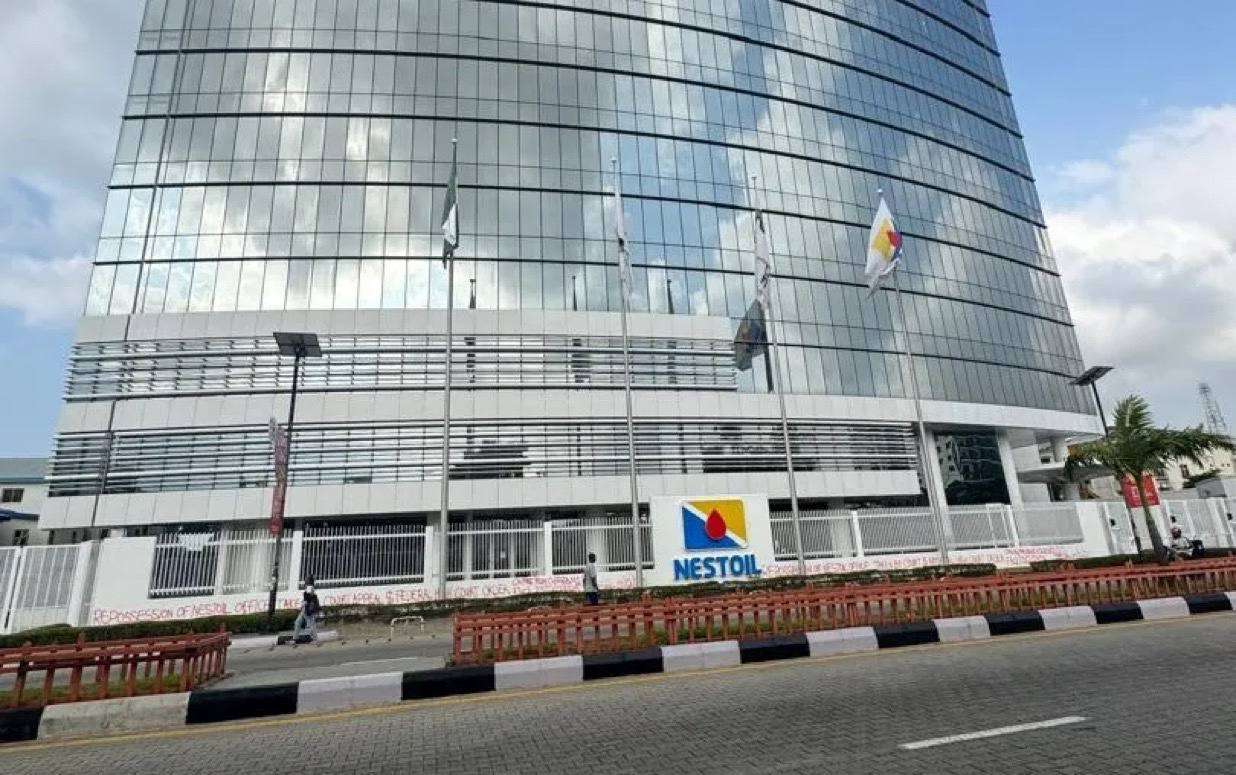
The Economic and Financial Crimes Commission (EFCC) has facilitated the recovery of $60 million from indigenous oil and gas company Nestoil Limited, with the funds paid to a consortium of lenders as part of efforts to resolve the company’s outstanding debt.
The repayment followed a structured agreement reached between Nestoil and its creditor banks during a meeting convened by EFCC Chairman, Ola Olukoyede, amid an ongoing investigation into transactions involving the company and its lenders.
According to reports, the EFCC’s Lagos Zonal Directorate 2 played a key role in facilitating the payment. The development represents the first major recovery under the structured repayment arrangement agreed by the parties.
The creditor consortium welcomed the $60 million payment, but indicated that it represents only the first phase of the recovery process, with a substantial portion of Nestoil’s outstanding obligations still unpaid. Another tranche of about $40 million is reportedly expected as the repayment process continues.
The debt dispute has been the subject of prolonged legal proceedings involving Nestoil, its affiliates and a consortium of lenders. The matter has also attracted regulatory attention because of its potential implications for the banking sector and non-performing loans.
The EFCC became involved as part of its investigation into alleged criminal aspects of transactions between Nestoil and its creditors. The commission’s intervention has now resulted in a structured approach aimed at recovering funds while allowing the parties to work towards resolving the wider dispute.
The latest development comes after a significant legal battle that reached the Supreme Court in June, when the court overturned an earlier Court of Appeal order relating to the freezing of assets belonging to Nestoil and its affiliate, Neconde Energy.
While the $60 million recovery marks progress, the repayment process is far from complete. The remaining debt means Nestoil and the lenders are expected to continue negotiations and engagements with the EFCC and other relevant stakeholders.
The development could also provide some relief to creditor banks that have been carrying the exposure on their books, while demonstrating the potential role of negotiated repayment arrangements in resolving complex corporate debt disputes.
For now, attention will be on the next phase of the agreement and whether subsequent payments can further reduce Nestoil’s outstanding obligations to its lenders.
Discover more from Scoop Hub
Subscribe to get the latest posts sent to your email.