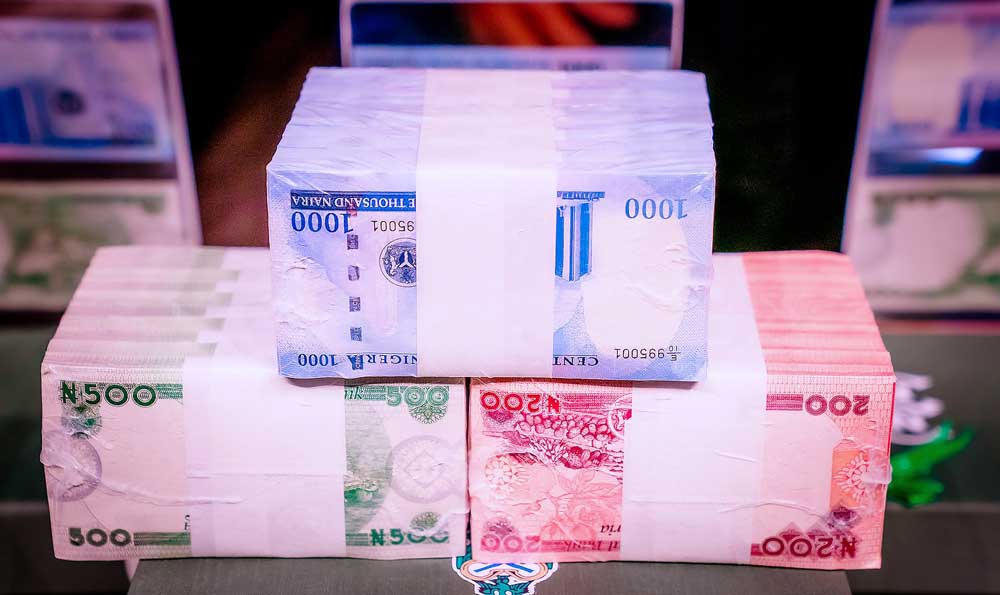
The Nigerian naira emerged as one of the more resilient currencies in Africa during the second quarter of 2026, according to the World Bank.
The performance came despite growing pressure on currencies across the region as rising geopolitical tensions and higher energy prices created fresh challenges for emerging markets. While several African currencies came under pressure during the period, the naira showed relative resilience, highlighting the changing dynamics in Nigeria’s foreign exchange market.
The second quarter of 2026 was marked by increased uncertainty in global markets. Rising geopolitical tensions and higher energy costs put additional pressure on currencies, particularly across emerging and developing economies. Against this backdrop, the naira’s relatively strong performance stands out.
For Nigeria, movements in the naira are closely watched because the exchange rate has a direct impact on inflation, import costs, businesses and household purchasing power.
The World Bank’s assessment provides a positive signal for Nigeria’s currency market, although challenges remain. A more stable naira could help reduce some of the pressure faced by businesses that depend heavily on imported goods and inputs. It could also provide greater predictability for investors and companies operating in the country.
However, maintaining that resilience will depend on several factors, including developments in global energy markets, foreign exchange liquidity, investor confidence and broader economic policies.
For now, the naira’s performance in the second quarter offers a notable bright spot amid a difficult period for currencies across Africa.
Discover more from Scoop Hub
Subscribe to get the latest posts sent to your email.