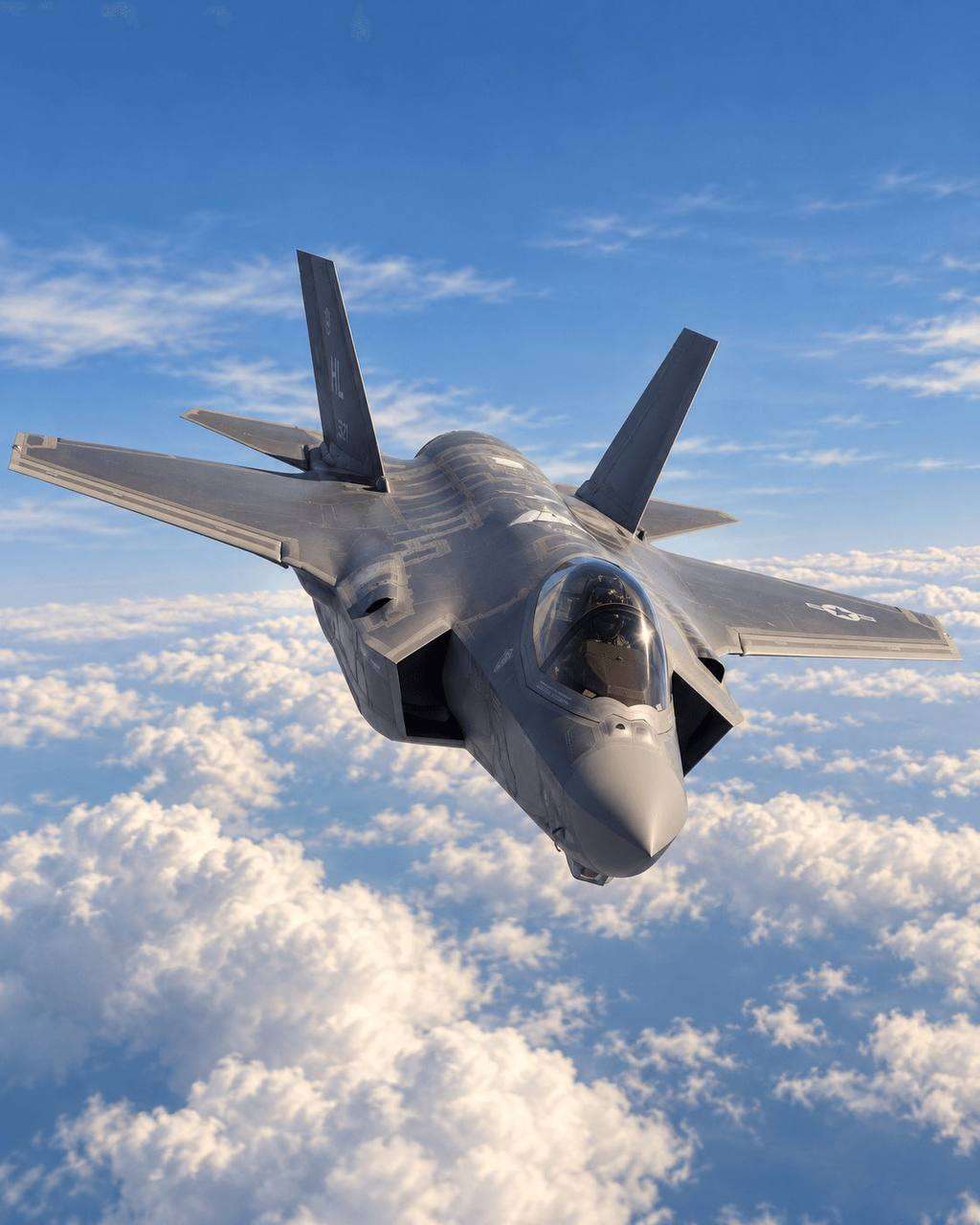
A missed security email by a UPS employee reportedly resulted in parts from an Australian F-35 fighter jet being routed through Hong Kong, where Chinese authorities took possession of the shipment. The incident has raised fresh concerns over the security of military equipment and the handling of sensitive defense shipments.
According to reports, the shipment included an F-35 cockpit canopy and weapons-bay door, both supplied by Lockheed Martin and coated with radar-absorbing material associated with the aircraft’s stealth capabilities. The components were being transported from Australia to the United States for inspection, possible repair or disposal.
The shipment was initially expected to travel through countries including South Korea and Taiwan before reaching the United States.
However, the cargo was eventually routed through Hong Kong. A person briefed on the incident told Bloomberg that a UPS employee handling the shipment had missed an email from logistics company DSV warning that the F-35 components were not permitted to pass through certain jurisdictions under U.S. arms-export regulations.
The apparent routing error allowed the shipment to reach Hong Kong, where Chinese authorities subsequently took possession of the components.
The incident has prompted scrutiny from U.S. defense and government officials. Pentagon officials have briefed congressional staff about what happened, while the State Department is also investigating the circumstances surrounding the shipment.
Despite concerns about the potential exposure of F-35 technology, U.S. and Australian officials have indicated that the specific components involved were unserviceable, meaning they were not operational parts of an aircraft. Still, the incident has highlighted the risks involved in transporting military equipment through international supply chains.
The F-35 is one of the world’s most advanced fighter aircraft, with its stealth capabilities relying on highly specialized technologies. The fact that components featuring radar-absorbing material ended up in Hong Kong has therefore attracted significant attention, even as authorities investigate exactly what information or technical value the parts could provide.
Discover more from Scoop Hub
Subscribe to get the latest posts sent to your email.