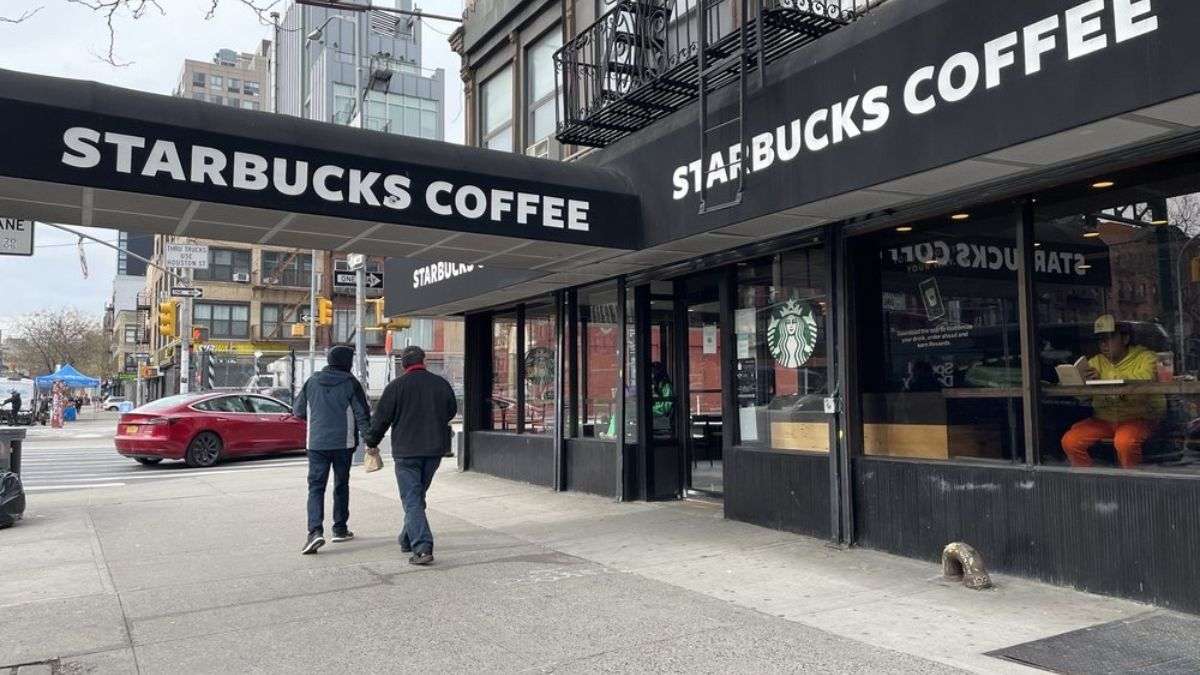
Starbucks has closed roughly 400 locations across the United States as part of a sweeping $1 billion restructuring plan, reflecting shifting consumer habits and intensifying competition in major urban markets.
In New York City alone, the coffee giant shut down 42 stores—about 12 percent of its total locations in the city. The closures have reshaped the city’s coffee landscape, with Starbucks recently losing its long-held position as Manhattan’s largest coffee chain to Dunkin’ Donuts, according to the Center for an Urban Future, a New York-based think tank that tracks retail openings and closures.
The retrenchment has extended well beyond New York. Starbucks has also closed more than 20 locations in Los Angeles, 15 in Chicago, six in Minneapolis, five in Baltimore, and dozens of other stores across cities nationwide. The move followed a comprehensive review of more than 18,000 Starbucks locations in the United States and Canada.
A company spokesperson said the closures targeted stores that were underperforming or unable to meet Starbucks’ brand standards. While acknowledging the scale of the shutdowns, the company emphasized that the changes are part of a broader effort to strengthen its long-term presence rather than retreat from key markets.
Former Starbucks executive Arthur Rubinfeld, who helped lead the company’s major real estate expansion alongside Howard Schultz, said the closures reflect mounting pressure in urban areas. Leading the expansion in the 1990s and again between 2008 and 2016, Rubinfeld noted that cities across the US have seen a surge in competing coffee shops, which has steadily eroded store traffic and sales volumes for established chains.
Despite the closures, Starbucks is not abandoning growth plans altogether. The company has confirmed that it intends to open new locations and remodel existing stores in 2026, with a focus on major metropolitan areas including New York and Los Angeles. The strategy signals a shift toward fewer but stronger-performing stores, as Starbucks adapts to a more crowded and competitive coffee market.
The restructuring underscores a turning point for the global coffee brand as it recalibrates its footprint in urban America, balancing cost-cutting measures with renewed investment in locations it believes can deliver long-term growth.
Discover more from Scoop Hub
Subscribe to get the latest posts sent to your email.