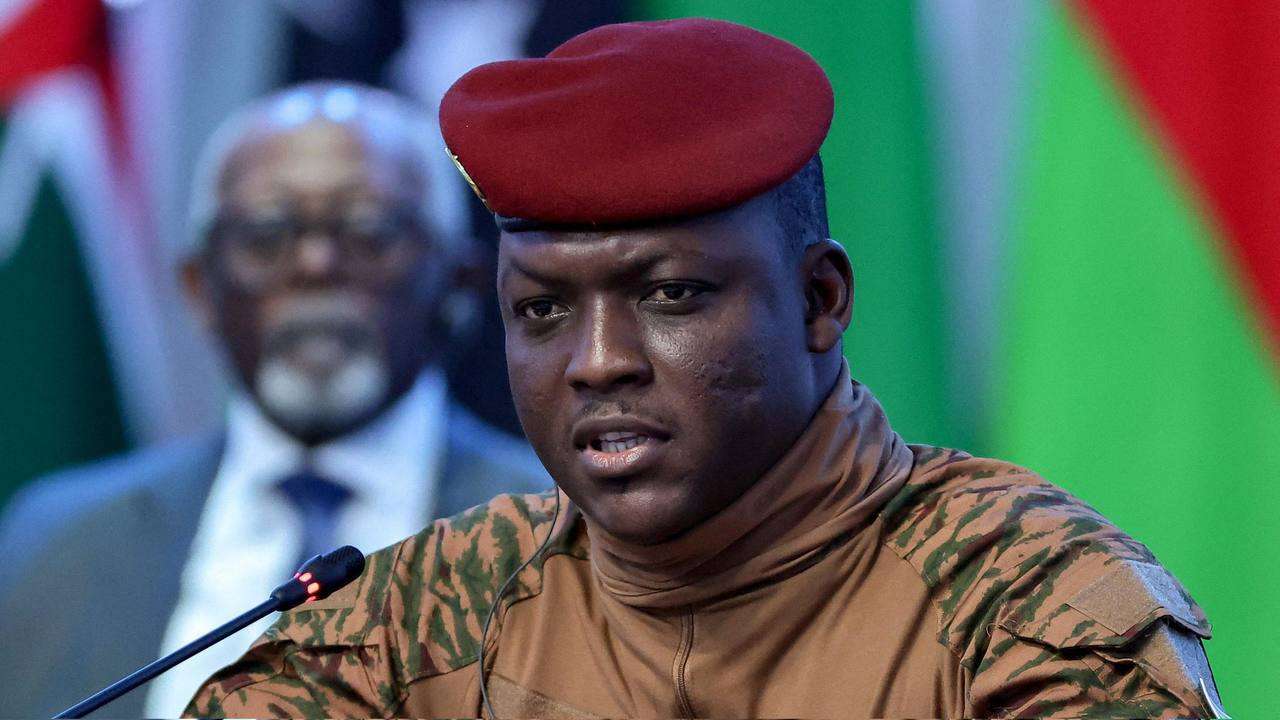
Mali and Burkina Faso have announced plans to bar United States citizens from entering their countries, escalating diplomatic tensions with Washington following President Donald Trump’s decision to impose travel bans on citizens of both West African nations.
The retaliatory measures were confirmed on Tuesday through separate statements issued by the foreign ministries of Mali and Burkina Faso.
The announcements come days after Trump expanded existing US travel restrictions to include 20 additional countries, among them Mali, Burkina Faso, and Niger. All three nations are currently governed by military juntas and have withdrawn from the Economic Community of West African States (ECOWAS), forming a breakaway regional alliance.
In its statement, Mali’s Ministry of Foreign Affairs and International Cooperation said the decision was based on the principle of reciprocity. The ministry stated that, with immediate effect, Mali would impose on US nationals the same conditions and requirements that the United States has applied to Malian citizens seeking entry into the US.
Burkina Faso issued a similar response. In a statement signed by its foreign minister, Karamoko Jean-Marie Traoré, the government said the ban on American nationals was also grounded in reciprocal treatment, directly linking the move to Washington’s restrictions on Burkinabe citizens.
The US travel ban, expanded on December 16, was justified by the White House on security grounds. US officials cited persistent attacks by armed groups in the affected countries, arguing that the United States lacks sufficient information to properly assess the risks posed by some foreign nationals seeking entry. The administration said the measures were necessary to protect Americans and prevent potential security threats.
The expanded restrictions represent a further tightening of Trump’s immigration policies, intensified in the aftermath of the fatal shooting of two National Guard members in Washington, DC, on November 26. The Trump administration referenced the incident while defending its decision to strengthen border and immigration controls.
Mali and Burkina Faso have both faced ongoing security challenges, with armed groups expanding their presence despite repeated military operations. The ruling juntas seized power after overthrowing civilian governments, promising to restore security and curb violence that has destabilized large parts of the region.
The reciprocal travel bans highlight the deepening rift between the United States and several West African military-led governments, underscoring how security concerns and immigration policies are increasingly shaping international relations between Washington and the Sahel region.
Discover more from Scoop Hub
Subscribe to get the latest posts sent to your email.