Leaders of Scotland, Wales and Northern Ireland have joined forces in an unprecedented push for greater self-determination, raising fresh questions about the future of the United Kingdom.
The leaders of the Scottish National Party (SNP), Plaid Cymru and Sinn Féin met in Cardiff on Monday, September 14, where they signed a memorandum of understanding calling for greater recognition of their nations’ right to determine their constitutional futures.
The meeting brought together Scottish First Minister John Swinney, Welsh First Minister Rhun ap Iorwerth and Northern Ireland First Minister Michelle O’Neill, alongside Sinn Féin president Mary Lou McDonald.
The agreement represents the first time that the devolved governments of all three nations have been led by politicians committed to independence or Irish reunification. The leaders say Westminster should not have the power to permanently block their populations from deciding whether they want to remain part of the United Kingdom.
Scotland has been at the centre of the independence debate since its 2014 referendum, when voters rejected independence by 55% to 45%. The SNP is now pushing for another referendum. Swinney has argued that Scottish voters should have the opportunity to decide their constitutional future, while the UK Government has maintained that it does not currently support another independence referendum.
The debate intensified after Prime Minister Andy Burnham indicated that a referendum could be considered if there were clear evidence of majority support. Swinney has urged the Prime Minister to turn that principle into a clear legal mechanism.
Wales has also seen growing support for independence, although the movement remains less established than in Scotland. Plaid Cymru leader Rhun ap Iorwerth has argued that Wales should have the right to determine its own future rather than having major constitutional decisions controlled from Westminster.
The Cardiff summit marks a significant step in cooperation between the pro-independence movements across the three nations. Northern Ireland’s situation is different from Scotland and Wales because its constitutional future is specifically addressed by the 1998 Good Friday Agreement.
Under the agreement, a referendum on Irish unity can be held if the UK Secretary of State believes it is likely that a majority of people in Northern Ireland would vote for a united Ireland.
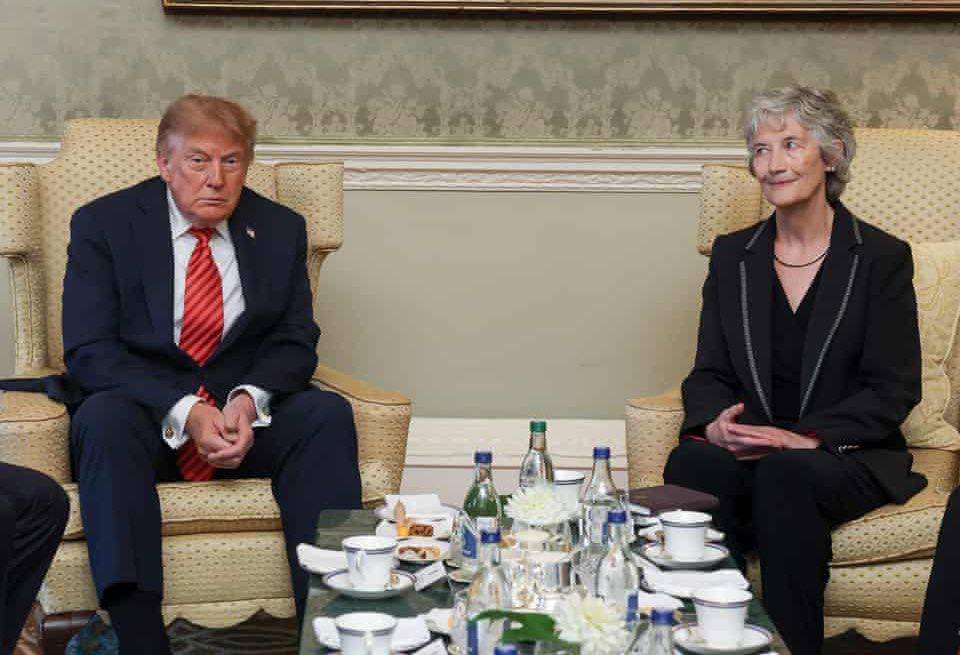
Sinn Féin has increasingly called for preparations for such a vote, with McDonald arguing that discussions about Irish unity should begin before a referendum is formally called. The issue has also gained international attention after U.S. President Donald Trump recently expressed support for Irish reunification during a visit to Ireland.
The agreement does not mean that Scotland, Wales or Northern Ireland are leaving the UK immediately. Instead, it represents a coordinated political campaign for the right to hold future votes on independence or constitutional change.
For Scotland and Wales, securing such referendums would require overcoming significant political and legal obstacles. Northern Ireland has an established mechanism for a border poll under the Good Friday Agreement.
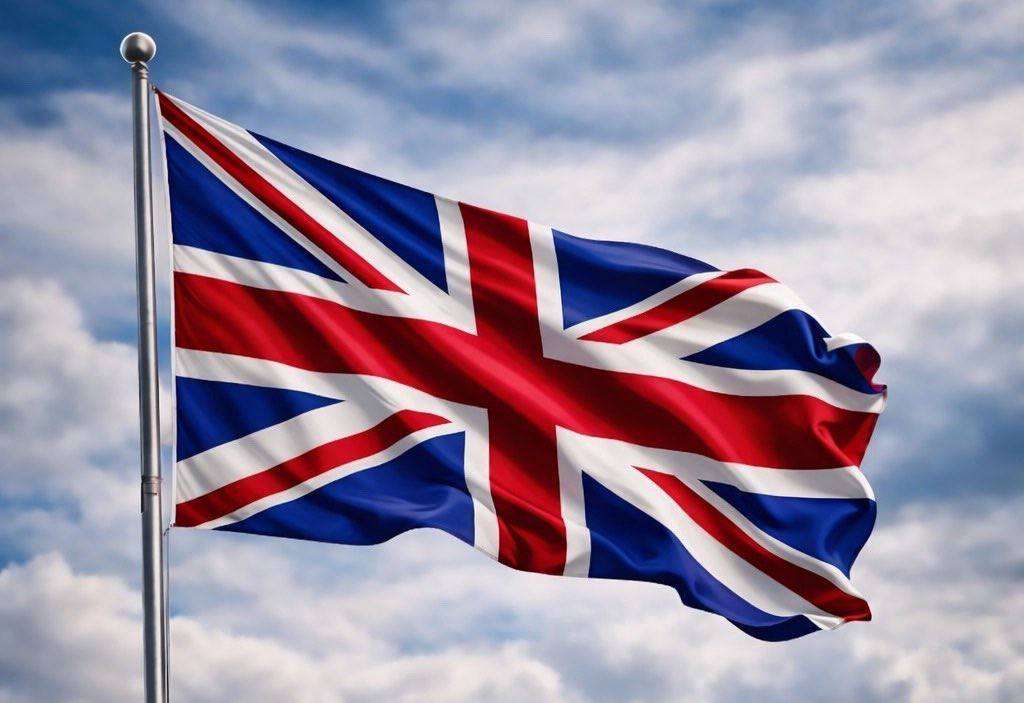
The development nevertheless represents one of the strongest coordinated challenges to the UK’s constitutional structure in years. For now, the United Kingdom remains intact. But with pro-independence parties leading Scotland, Wales and Northern Ireland, the debate over the country’s future is becoming increasingly difficult for Westminster to ignore.
Discover more from Scoop Hub
Subscribe to get the latest posts sent to your email.