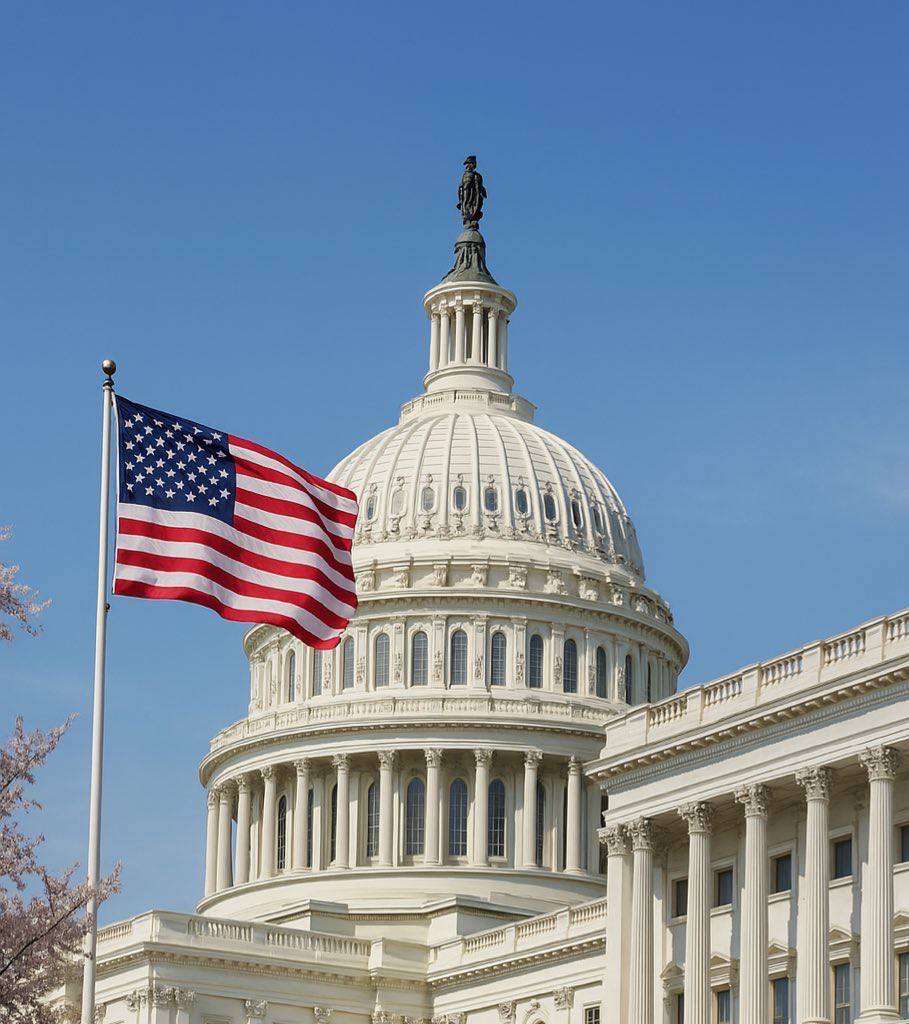
The U.S. House of Representatives has passed legislation that could cut off federal funding to universities that participate in or support certain boycotts of Israel.
The Protect Economic and Academic Freedom Act passed on Thursday, September 3, by a vote of 237–169, with 33 Democrats joining Republicans in support. Two Republicans voted against the measure.
The legislation would prohibit higher-education institutions that receive certain federal funding from participating in boycotts against Israel. Universities could also face consequences for restricting academic exchanges or cooperation with Israeli students and institutions because of their connection to Israel.
The measure is largely aimed at university participation in the Boycott, Divestment and Sanctions (BDS) movement, which calls for economic pressure on Israel over its policies toward Palestinians. Under the proposed law, institutions that violate the restrictions could become ineligible for federal student aid and certain other federal funding.
Republican lawmakers backing the legislation argue that universities receiving taxpayer money should not use their institutional power to discriminate against Israeli students, academics or institutions.
Representative Josh Gottheimer, a Democratic co-sponsor, argued that the bill is intended to prevent discrimination while protecting academic freedom. Supporters have also linked university boycotts to concerns about antisemitism on American campuses.
Opponents argue that the legislation could interfere with universities’ ability to make independent decisions about investments, partnerships and political issues.
Critics also warn that tying federal funding to an institution’s position on Israel could have a chilling effect on political expression and academic freedom.
Representative Jerrold Nadler, who opposes the BDS movement, nevertheless voted against the legislation, saying he was concerned about its implications for free speech. Other critics argue that the measure addresses a problem that does not currently involve widespread formal university participation in the BDS movement.
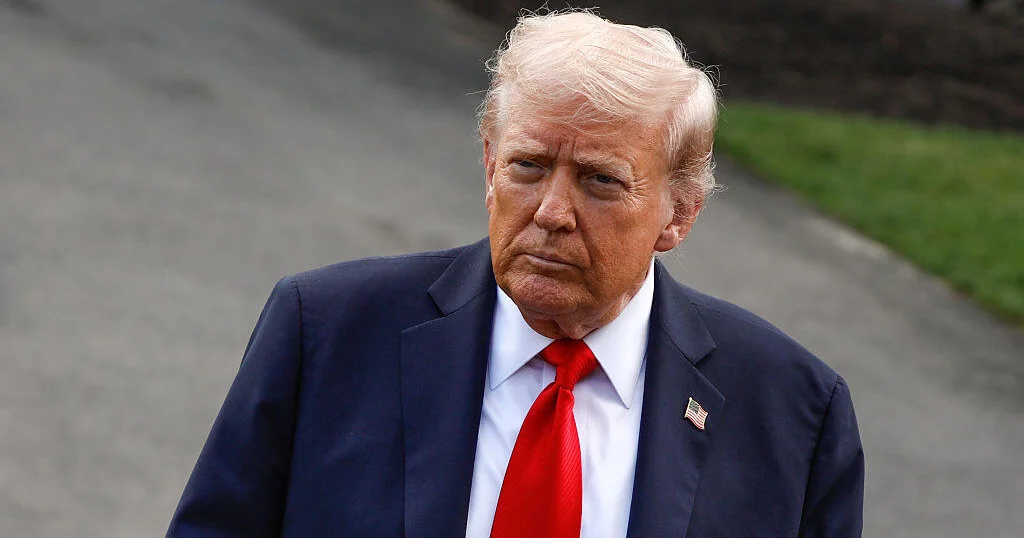
The House vote is only the first major step. The legislation must still pass the U.S. Senate before it can reach President Donald Trump for consideration.
Its future in the Senate is therefore uncertain, particularly given the debate over whether the bill appropriately balances efforts to combat discrimination with constitutional protections for political expression.
The vote comes amid an increasingly heated debate in the United States over the Israel-Gaza conflict, campus protests and the limits of political activism at American universities.
Discover more from Scoop Hub
Subscribe to get the latest posts sent to your email.