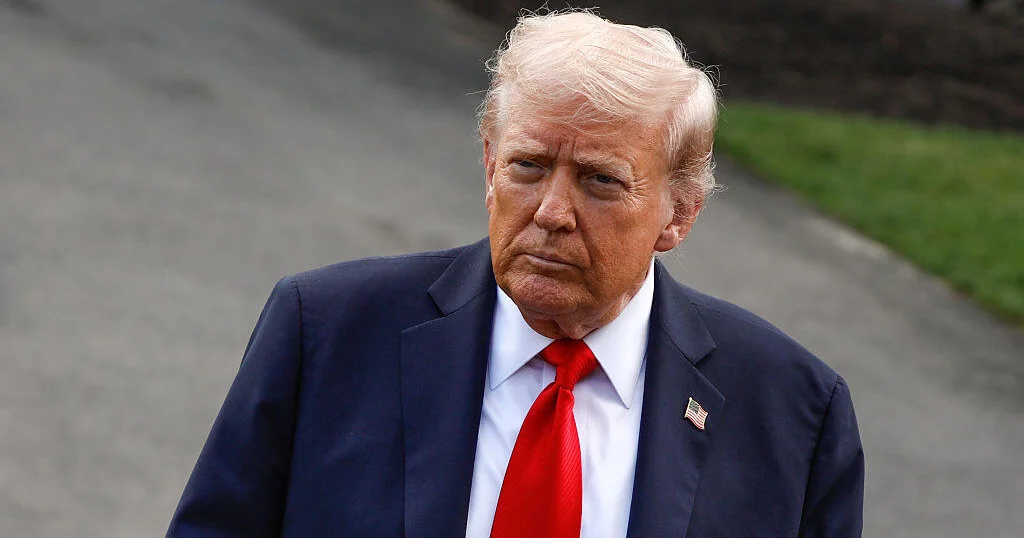
U.S. President Donald Trump has reignited controversy over Canada’s future after declaring that the neighbouring country will eventually become the 51st state of the United States. Trump made the remarks during a rally in Arizona on October 14, 2026, where he criticised Canada over trade disputes and accused the country of treating the United States unfairly.
“They’ll end up being the 51st state, because that’s the only way it works,” Trump reportedly told supporters. He also argued that the United States did not need Canada as much as Canada needed America.
The comments have renewed questions about relations between the two countries, which share one of the world’s largest trading relationships but have faced growing tensions over tariffs and economic policy.
Trump has repeatedly suggested that Canada should become part of the United States since late 2024. He has previously argued that Canadian citizens would benefit from lower taxes, greater military protection and other advantages if their country joined the United States.
In earlier remarks, Trump also described the border between the two countries as an artificial line and suggested that closer political integration would benefit both nations.
Canadian leaders, however, have firmly rejected the proposal. During a meeting with Trump in May 2025, Canadian Prime Minister Mark Carney emphasised that Canada was not for sale and that Canadians did not want their country to become an American state.
Trump’s latest statement comes amid continuing disagreements over trade, tariffs and economic relations between Washington and Ottawa.
The U.S. president has repeatedly criticised Canadian trade policies, including tariffs affecting American agricultural products and other goods. The two countries have also exchanged tariff measures during negotiations, raising concerns among businesses that depend on cross-border commerce.
In August 2026, Trump again complained that Canada wanted the benefits of being a U.S. state without formally joining the country, following a breakdown in trade negotiations. Canadian officials responded by defending their country’s economic interests and promising countermeasures against American tariffs.
The renewed dispute highlights how trade policy has become a central source of friction between the two longstanding allies.
Despite Trump’s repeated statements, there is no agreement for Canada to join the United States, and his remarks do not change Canada’s legal or political status.
Canadian political leaders have consistently defended the country’s sovereignty. Former Prime Minister Justin Trudeau previously rejected the idea outright, while Carney has stressed that Canadians’ views on joining the United States are not changing.
Any move toward such a fundamental constitutional change would face enormous political, legal and democratic obstacles. Trump’s comments therefore remain a controversial political position rather than an established policy outcome.
The latest remarks could add further strain to relations between Washington and Ottawa, particularly as both governments navigate trade negotiations and disputes over tariffs.
Canada and the United States maintain deeply interconnected economies, with businesses and consumers on both sides relying on cross-border supply chains. Prolonged disputes could affect industries ranging from agriculture and manufacturing to energy and transportation.
Discover more from Scoop Hub
Subscribe to get the latest posts sent to your email.