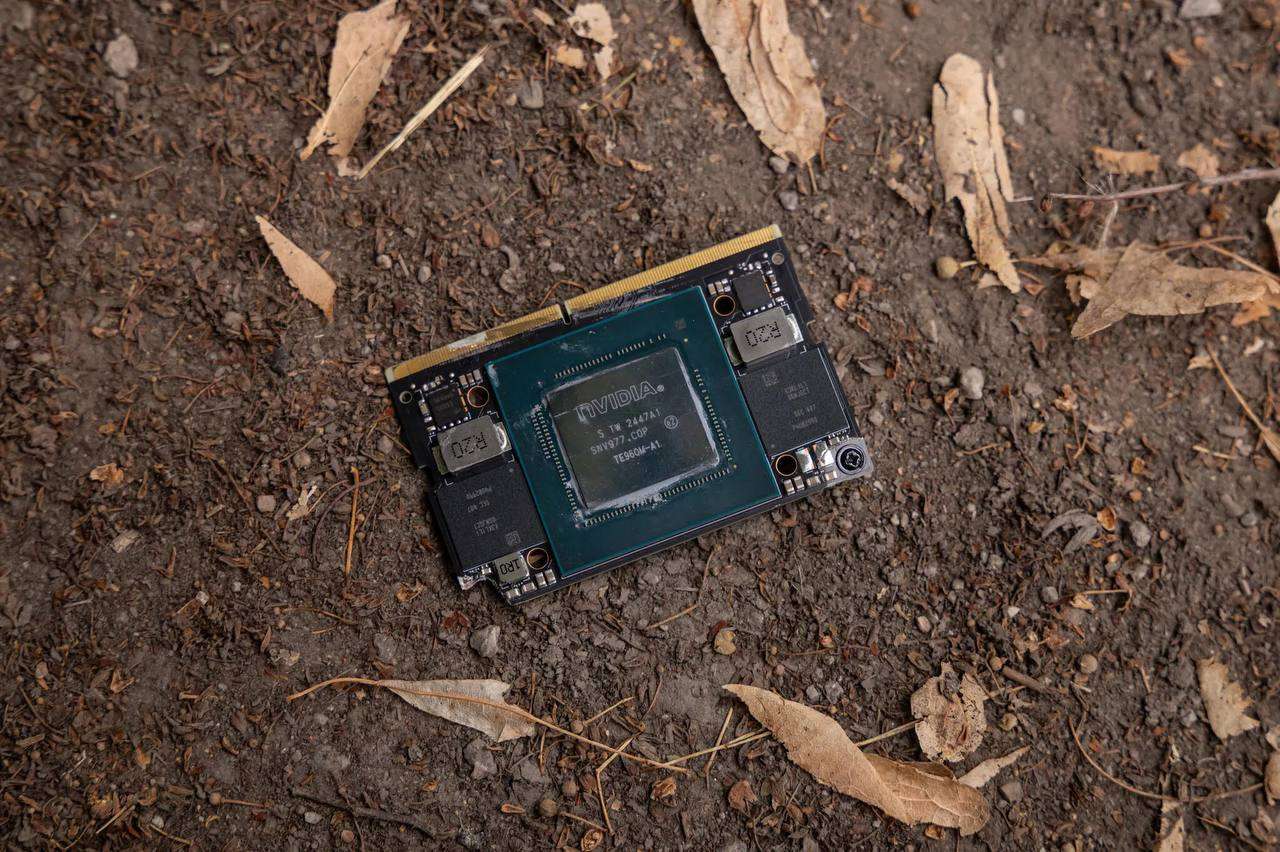
A Russian attack drone reportedly used artificial intelligence to select its own target before killing three civilians at a gas station in Zaporizhzhia, Ukraine, on July 6. The incident is being described by experts as the first documented case of civilian deaths caused by a Russian drone operating with a fully autonomous targeting system.
According to an investigation by The New York Times, Russian operators programmed the drone to fly toward a particular gas station. Once it reached the area, however, the drone’s onboard AI reportedly searched for and selected a target on its own.
Investigators believe it was targeting propane tanks at the station, based on software recovered from the drone. The drone, identified as a Russian Molniya, was equipped with an Nvidia Jetson Orin computer module capable of running AI systems onboard.
Ukrainian investigators were able to examine the module because it was not encrypted. They reportedly found terrain imagery used for navigation as well as software trained to recognise specific objects, including propane tanks.
The drone crashed into a wall near the gas station before reaching its intended target and exploded.
Three civilians died in the attack, including 19-year-old university student Tetiana Bubynets. Two other victims, Oleksiy Svirin, 41, and Roman Karpiy, 48, later died from their injuries.
The incident has raised fresh concerns about the growing use of autonomous weapons, particularly systems capable of making targeting decisions without a human operator selecting the final target.
The development is significant because AI has previously been used in the Russia-Ukraine war for functions such as navigation and final-stage guidance. In those cases, however, a human operator typically selected the target.
The Zaporizhzhia incident appears different: the drone itself reportedly identified and selected the specific object it attempted to strike.
Experts warn that removing humans from the final targeting decision could create serious risks if an AI system misidentifies an object or fails to distinguish between military targets and civilians.
Russia has not publicly confirmed the forensic findings or acknowledged that the drone independently selected its target. The evidence comes primarily from Ukrainian investigators, military officials and outside experts who examined the recovered equipment.
Discover more from Scoop Hub
Subscribe to get the latest posts sent to your email.