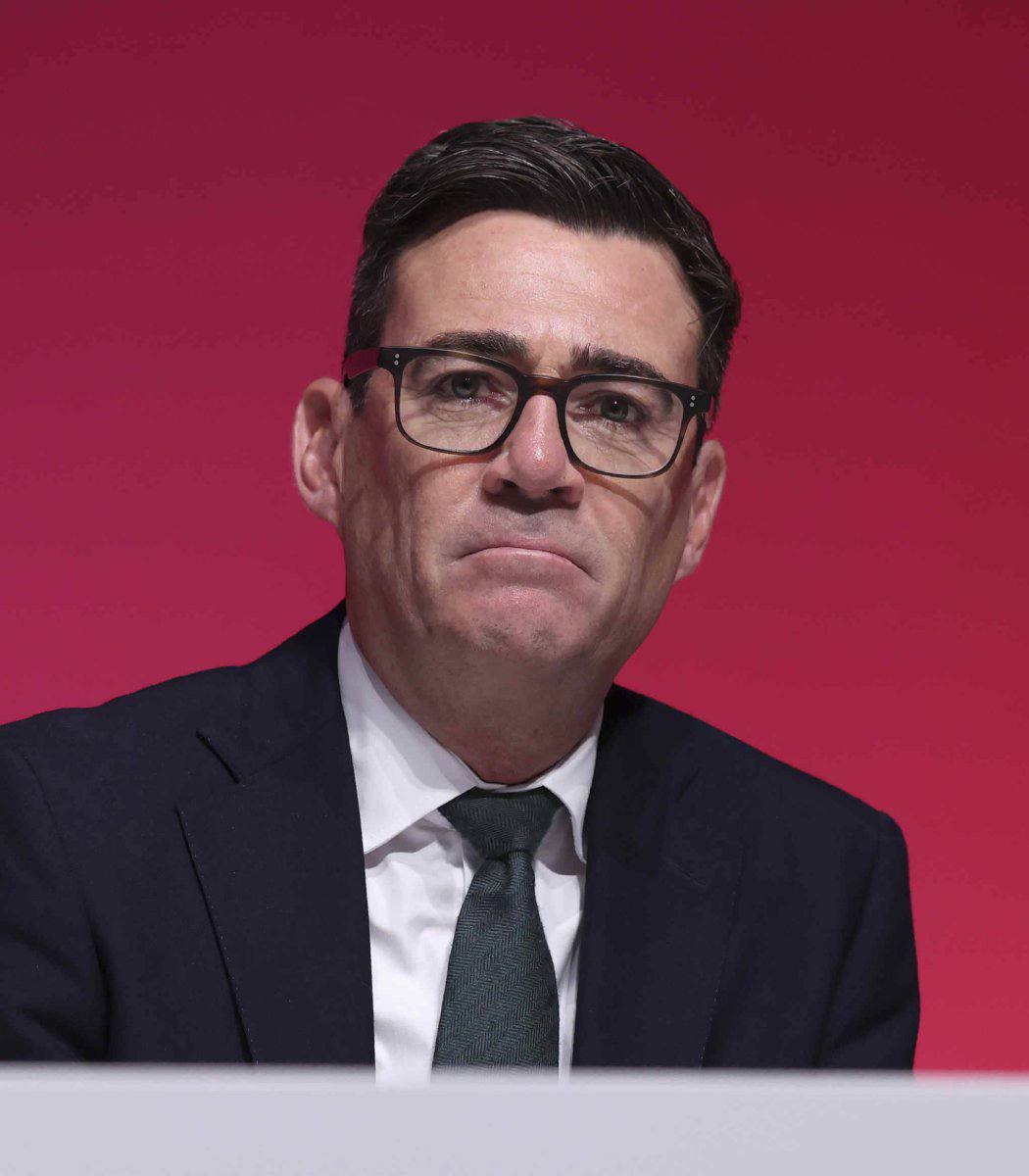
British Prime Minister Andy Burnham has said Russia interfered in the United Kingdom’s 2016 Brexit referendum, renewing debate over foreign influence in one of the most consequential political decisions in modern British history.
Burnham made the statement during an interview on The Rest Is Politics podcast, explaining that he sought answers about possible Russian involvement after taking office in July 2026.
“I asked the question coming to Downing Street: Was there interference in the 2016 referendum from Russia? And I’ve had the clear answer that yes, there was,” Burnham said. His remarks, reported on October 11, mark a significant shift in the public position of a British prime minister on the question of Russian interference in the historic vote.
The 2016 referendum asked British voters whether the country should remain in or leave the European Union. The Leave campaign won with approximately 52 per cent of the vote, compared with 48 per cent for Remain. Concerns about Russian involvement have persisted since the referendum, particularly over online disinformation, social media manipulation and the activities of Russian state-backed media outlets.
On October 13, MI5 Director General Ken McCallum confirmed that Russia had attempted to influence the referendum through social media activity and television coverage.
He pointed to Russian state-backed broadcasters RT and Sputnik, which published coverage promoting anti-EU and anti-immigration narratives around the time of the vote. He also highlighted attempts to influence public opinion through fake social media accounts. However, McCallum cautioned that attempts to interfere do not automatically mean they succeeded in changing voters’ decisions.
A 2020 report by Parliament’s Intelligence and Security Committee criticised the British government for failing to commission a full assessment of possible Russian interference in the Brexit referendum. The committee found that the government had not adequately investigated the extent of Russia’s activities surrounding the vote, despite concerns about Russian influence in British politics.
The report also discussed Russian attempts to influence Scotland’s 2014 independence referendum, highlighting wider concerns about foreign interference in democratic processes. Burnham’s latest comments have renewed questions about why a comprehensive assessment of potential Russian interference in the Brexit referendum was not carried out earlier.
Despite the renewed attention, there is no established evidence that Russian interference changed the outcome of the 2016 referendum. Following Burnham’s remarks, his government clarified that acknowledging Russian interference did not mean the referendum result was illegitimate. Downing Street said it did not believe the interference had been successful in the British referendum.
Russia has repeatedly denied interfering in Western democratic processes, while the Kremlin has rejected the latest accusations as unfounded. The distinction remains important: evidence of foreign attempts to influence an election or referendum is not, by itself, proof that those attempts determined the final result. <Cite refs={[“turn165646news5″,”turn165646search2”]}/>
Burnham’s announcement comes amid wider European concerns about foreign interference, online disinformation and the security of democratic institutions. He has urged political leaders and voters in countries such as France and Germany to remain alert to attempts by hostile foreign powers to influence domestic political debates.
The issue also comes as Burnham reopens discussions about the UK’s future relationship with the European Union, including the possibility of closer ties or eventual membership. Although his comments have intensified political debate over Brexit, the question of Russian interference remains separate from the political arguments over whether Britain should have left the EU.
Andy Burnham’s statement has brought renewed attention to longstanding concerns about Russian influence in British politics. Subsequent comments from the head of MI5 have reinforced that Russia attempted to influence the 2016 Brexit referendum through media coverage and social media activity.
However, intelligence officials have cautioned that there is no evidence these efforts successfully changed the result. The revelations underline the importance of transparency, independent investigations and stronger safeguards against foreign interference in democratic processes.
Discover more from Scoop Hub
Subscribe to get the latest posts sent to your email.