Saudi Crown Prince Mohammed bin Salman is reportedly moving between heavily guarded royal palaces equipped with bunkers as escalating Houthi attacks increase security concerns across Saudi Arabia, according to The Wall Street Journal.
The reported security measures come amid a growing wave of missile and drone attacks targeting Saudi infrastructure, including airports and energy facilities. The developments are raising concerns about the kingdom’s ability to protect critical sites while maintaining stability and investor confidence.
According to the WSJ, the crown prince is being accompanied by a handpicked security team as he moves between fortified royal residences. Saudi authorities have not publicly confirmed the details of his reported movements. The escalating violence has placed Saudi Arabia under growing pressure, with attacks targeting strategically important locations.
On October 10, a strike on Riyadh’s King Khalid International Airport reportedly killed at least 12 people and injured hundreds more. Subsequent reporting put the death toll at 13. The attacks disrupted air travel and heightened concerns about the safety of civilians and critical infrastructure.
The Houthis, an Iran-backed armed movement based in Yemen, have threatened further attacks on Saudi airports and energy facilities. On October 14, reports also emerged that a strike had damaged the headquarters of Saudi oil giant Aramco in Dhahran, adding to concerns over the security of the kingdom’s energy infrastructure.
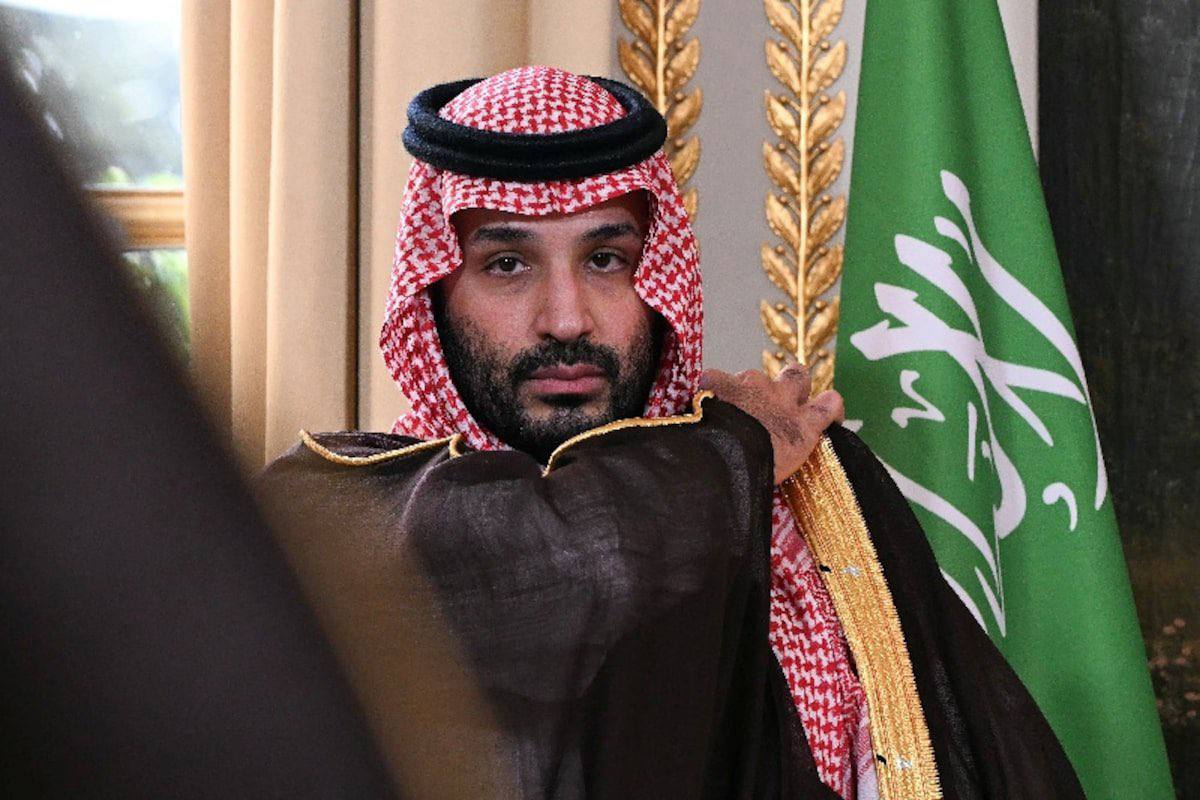
Mohammed bin Salman, widely known as MBS, is Saudi Arabia’s crown prince and prime minister and the kingdom’s de facto ruler.
The reported movement between fortified palaces reflects the heightened security concerns surrounding the royal leadership as attacks continue. According to the WSJ, the crown prince’s security arrangements include heavily guarded residences with underground bunkers and a personally selected protection team.
Saudi officials have also reportedly been repositioning air-defence systems to protect royal residences and important energy facilities. The country is facing the challenge of defending a vast territory containing airports, oil installations, military sites and major population centres.
The reported shortage of interceptor missiles has added to those concerns, although the precise state of Saudi Arabia’s remaining stockpiles has not been independently established publicly.
The security crisis comes at a difficult time for Saudi Arabia, which has been pursuing an ambitious economic transformation under its Vision 2030 programme.
Led by Mohammed bin Salman, the initiative aims to reduce the kingdom’s dependence on oil by expanding tourism, technology, entertainment and international investment. Repeated attacks on airports and energy infrastructure could undermine these ambitions by disrupting travel, raising security costs and weakening confidence among international businesses and investors.
Riyadh is seeking to establish itself as a major destination for global conferences, tourism and multinational companies. Continued instability could make that objective more difficult to achieve. The attacks also threaten vital energy assets and transport networks that support Saudi Arabia’s economy.
Saudi Arabia now faces difficult decisions about how to strengthen its air defences, protect critical infrastructure and respond to further attacks without triggering a wider regional conflict. The kingdom has reportedly sought additional defensive assistance from international partners as it confronts the growing threat. Meanwhile, the Houthis have indicated that they intend to continue targeting Saudi airports and energy facilities.
The situation remains fluid, and further developments could have consequences for regional security, international aviation and global energy markets.
The Saudi crown prince’s reported movements between fortified palaces highlight the growing security pressures facing the kingdom as Houthi attacks intensify. Beyond the immediate threat to the royal leadership, the wider crisis poses challenges for Saudi Arabia’s critical infrastructure and its ambitions to become a leading global destination for business, tourism and investment.
Discover more from Scoop Hub
Subscribe to get the latest posts sent to your email.