The Presidency has called on Nigerians to submit memoranda and policy recommendations on the proposed National Policing Bill as the Federal Government moves forward with plans to establish a comprehensive legal framework for state policing across the country.
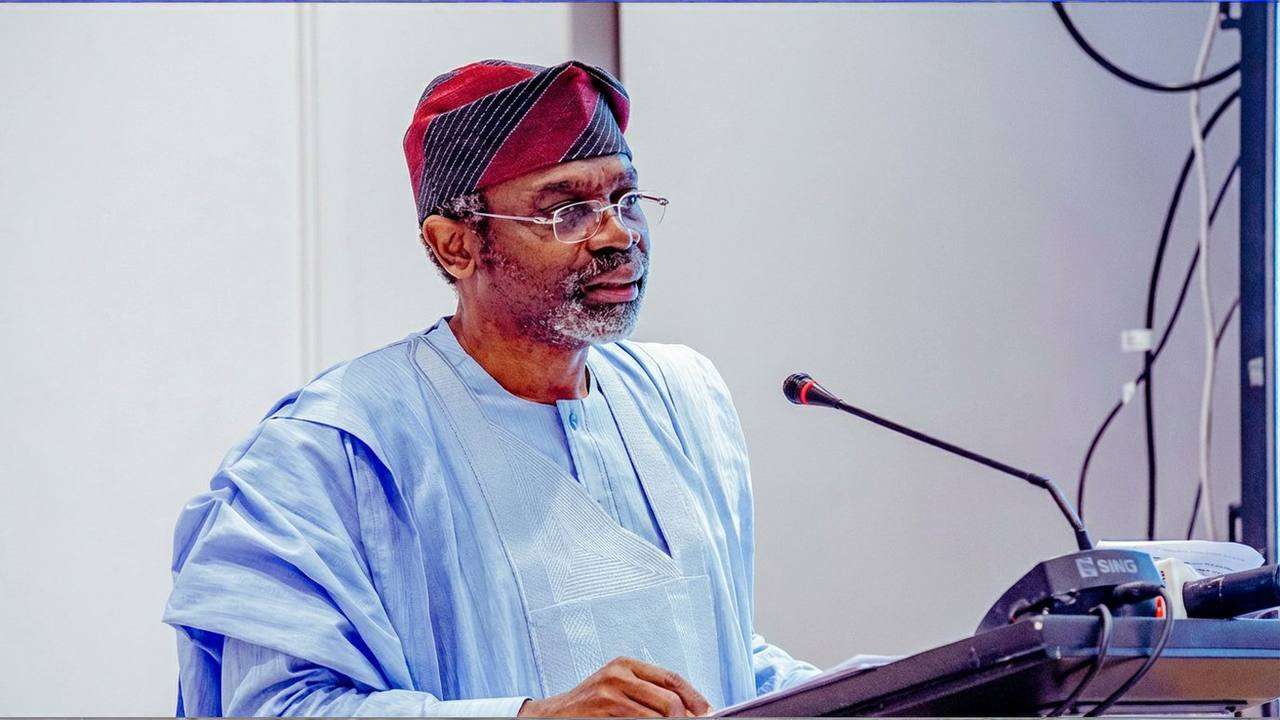
The invitation was announced on Monday by the Chief of Staff to the President and Chairman of the Presidential Working Group on the National Policing Bill, Femi Gbajabiamila, following a meeting of the committee at the State House in Abuja.
According to a statement issued by the President’s Special Adviser on Information and Strategy, Bayo Onanuga, the public consultation is designed to ensure that citizens and key stakeholders contribute to shaping the legislation before it is finalized and transmitted to the National Assembly.
Onanuga explained that all memoranda and policy proposals received during the consultation period will be carefully reviewed and incorporated into the draft bill where appropriate. The revised draft will then undergo broader national consultations before the final version is prepared for legislative consideration.
As part of its assignment, the Presidential Working Group is reviewing existing legal frameworks, including the Police Act 2020, the Police Service Commission framework, police regulations, and other relevant laws. The objective is to develop a modern policing system that addresses Nigeria’s evolving security needs while ensuring accountability and professionalism.
The proposed National Policing Bill is expected to establish national minimum standards for policing, define the conditions states must meet before establishing state police services, clarify operational jurisdictions, strengthen independent oversight mechanisms, protect human rights, and create sustainable funding structures for law enforcement.
The Presidency also announced that the call for memoranda will remain open for two weeks, giving citizens, security experts, civil society organizations, academics, state and local governments, professional bodies, and other interested stakeholders the opportunity to make meaningful contributions to the reform process.
According to the timeline released by the Working Group, the draft Executive Bill is expected to be presented to President Bola Tinubu on September 3, 2026. Following that stage, additional nationwide consultations will be conducted before the legislation is finalized and forwarded to the National Assembly.
The proposed legislation will outline standards for recruitment, personnel training, funding, oversight, disciplinary procedures, and operational transition plans aimed at ensuring an effective, transparent, and accountable policing system across Nigeria.
Under the proposed framework, any state seeking to establish its own police service will be required to demonstrate adequate capacity in critical areas before receiving approval. These requirements include transparent recruitment and vetting processes, proper training, competitive remuneration and pension systems, operational equipment, detention facilities, complaint resolution mechanisms, disciplinary procedures, firearms control, independent oversight, reliable data management, and long-term financial sustainability.
Speaking during the meeting, Ogun State Governor Dapo Abiodun, who represented the Nigeria Governors’ Forum, described the establishment of state police as one of the most significant reforms being pursued under President Bola Tinubu’s administration. He expressed confidence that the initiative would strengthen internal security and improve policing at the grassroots level.
The latest consultation marks another major step in Nigeria’s ongoing efforts to reform its policing architecture, with the Federal Government seeking broad public participation to ensure the proposed National Policing Bill reflects the needs and expectations of Nigerians while laying the foundation for a more responsive and effective security system.
Discover more from Scoop Hub
Subscribe to get the latest posts sent to your email.