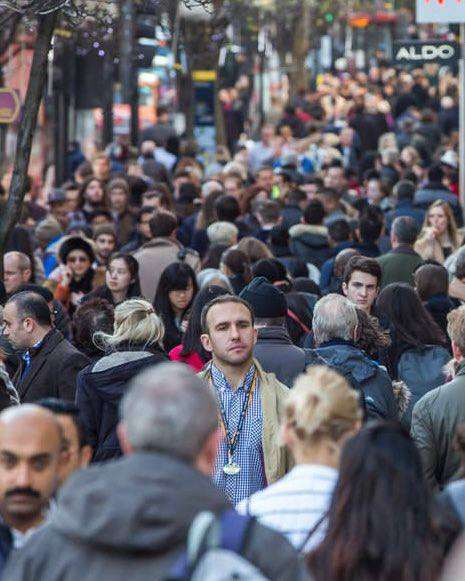
A new scientific study has reignited global debate after suggesting that gradually reducing the world’s population to around 4 billion people by the year 2200 could help protect the environment and ensure a more sustainable future for humanity.
Published in the journal Sustainable Development, the study argues that slowing and eventually reversing global population growth would reduce pressure on Earth’s natural resources, lower pollution, preserve biodiversity, and improve overall quality of life. The findings come at a time when the global population has surpassed 8 billion, placing increasing demands on food supplies, energy, water, and ecosystems.
According to the researchers, the proposal is not about enforcing population reduction through extreme measures. Instead, they advocate for a gradual, voluntary, and long-term approach that supports smaller family sizes, sustainable development, and responsible resource management over the next two centuries.
The authors describe the strategy as both pro-human and pro-nature, emphasizing that a slower rate of population growth would benefit people and the environment alike. They argue that easing population growth could help reduce poverty in regions with high fertility rates, lessen pollution, ease competition over limited natural resources, and reduce migration pressures linked to environmental and economic challenges.
The researchers also believe a smaller global population would allow ecosystems to recover, helping preserve wildlife habitats, protect endangered species, and support efforts to address climate change. According to the study, reducing humanity’s environmental footprint is essential if future generations are to inherit a healthier and more resilient planet.
Rather than portraying the proposal as an unattainable goal, the study’s authors maintain that such a future is achievable through thoughtful policies, education, improved access to healthcare, family planning, and sustainable economic development.
The publication has sparked widespread discussion among scientists, policymakers, and the public about the Earth’s long-term carrying capacity and how best to balance population growth with environmental sustainability. While many experts agree that consumption patterns, technological innovation, and resource distribution are also critical factors, the study adds a new dimension to the ongoing conversation about the future of the planet.
As governments around the world continue to grapple with climate change, biodiversity loss, and resource scarcity, the research highlights population trends as one of several factors that could shape humanity’s ability to build a more sustainable future over the coming centuries.
Discover more from Scoop Hub
Subscribe to get the latest posts sent to your email.