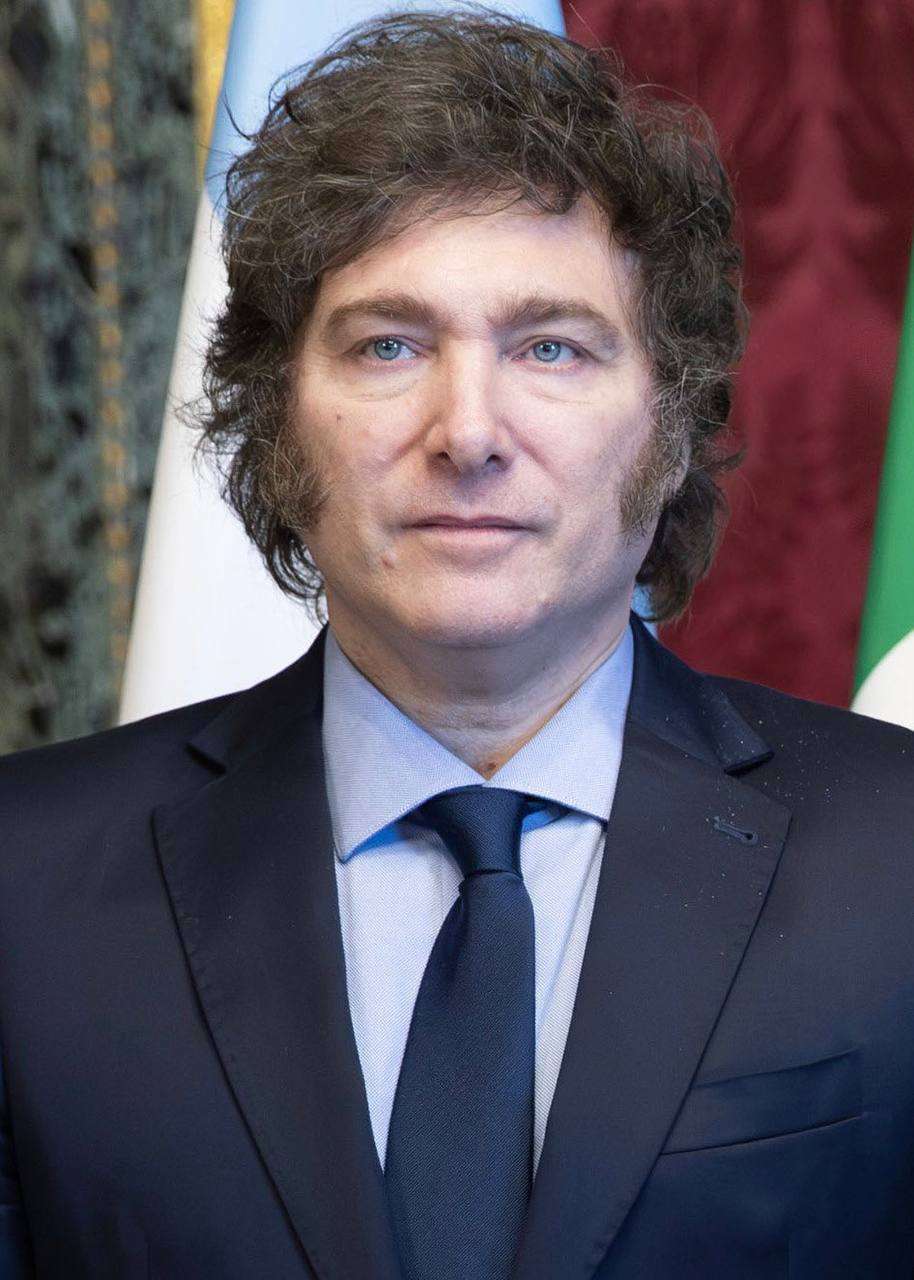
More than a week after Spain lifted its second FIFA World Cup trophy with Ferran Torres’ dramatic extra-time winner, Argentina’s President Javier Milei is keeping the tournament in the spotlight—but for reasons that extend far beyond football.
The Argentine leader has alleged that an organized international campaign sought to damage Argentina’s reputation throughout the tournament. According to Milei, the effort was not spontaneous but politically motivated, claiming it was financed by the governments of Brazil and Mexico, along with members of the US Democratic Party.
Speaking during an interview with a local radio station on Sunday, Milei argued that the criticism directed at Argentina’s national team, accusations of racism involving some of its supporters, and online claims suggesting FIFA favored Lionel Messi’s side were all part of a coordinated political operation.
He described the alleged campaign as the work of what he called “progressive minds” determined to undermine his political vision and prevent “the ideas of freedom” from succeeding. Milei further claimed that Brazil, under President Luiz Inácio Lula da Silva, was responsible for providing the largest share of the supposed financial backing behind the campaign.
The accusations have intensified already strained diplomatic relations between Argentina and Brazil. During a visit to Brazil over the weekend, Milei attended the presidential campaign launch of far-right senator Flávio Bolsonaro, son of former Brazilian President Jair Bolsonaro and Lula’s principal challenger in the upcoming presidential election.
While addressing supporters, Milei sharply criticized Lula, referring to him as both a “thief” and a “prisoner,” comments that prompted an immediate and strong response from the Brazilian government. He also claimed that data from social media activity surrounding the World Cup showed Brazil as the primary source of online attacks against Argentina.
The following day, Milei repeated his allegations during another public appearance, expanding his claims to include Mexico and the US Democratic Party as participants in what he described as an international effort to discredit Argentina.
Political analysts in Argentina have largely dismissed the president’s claims, suggesting they serve as a distraction from growing domestic challenges. Milei has faced increasing criticism over his aggressive austerity measures, commonly referred to as his “chainsaw” economic reforms, as public approval ratings continue to decline. Critics argue that the government’s economic policies—not foreign actors—are driving much of the dissatisfaction currently felt across the country.
Despite skepticism from many observers, the narrative has resonated with some Argentines, including individuals who do not support Milei politically. Buenos Aires bookseller Pablo Torres, who says he has never voted for the president, believes Argentina experienced an intense wave of negative messaging on social media during the World Cup.
Torres said the online criticism left him feeling frustrated and argued that some accusations of racism overlooked Argentina’s historical and cultural complexity. He also questioned criticism coming from countries with their own histories of slavery and colonialism, insisting that Argentina has long welcomed immigrants from around the world.
Throughout the World Cup, however, allegations of racist behavior involving some Argentine supporters generated widespread international attention. Shortly before the tournament final, American actor Samuel L. Jackson shared an Instagram story urging Black fans not to support Argentina, claiming the country has historically been among the world’s most racist nations.
The post sparked significant debate, including a response from Amnesty International Argentina. While acknowledging that racism remains a real issue within the country, the human rights organization cautioned against reducing Argentina to a single stereotype or ignoring the broader social context.
Milei rejected much of the criticism, accusing Argentina’s political opposition of embracing what he described as a “woke movement” that has unfairly portrayed the country as racist on the global stage.
His latest remarks have added another layer of political controversy to an event that was expected to be remembered primarily for Spain’s historic triumph. Instead, the aftermath of the 2026 FIFA World Cup continues to fuel diplomatic tensions, ideological battles, and heated debates over nationalism, race, and political influence—both within Argentina and beyond.
Discover more from Scoop Hub
Subscribe to get the latest posts sent to your email.