Israel’s latest parliamentary election has ended without a clear path to a majority government, leaving the country facing another period of political uncertainty.
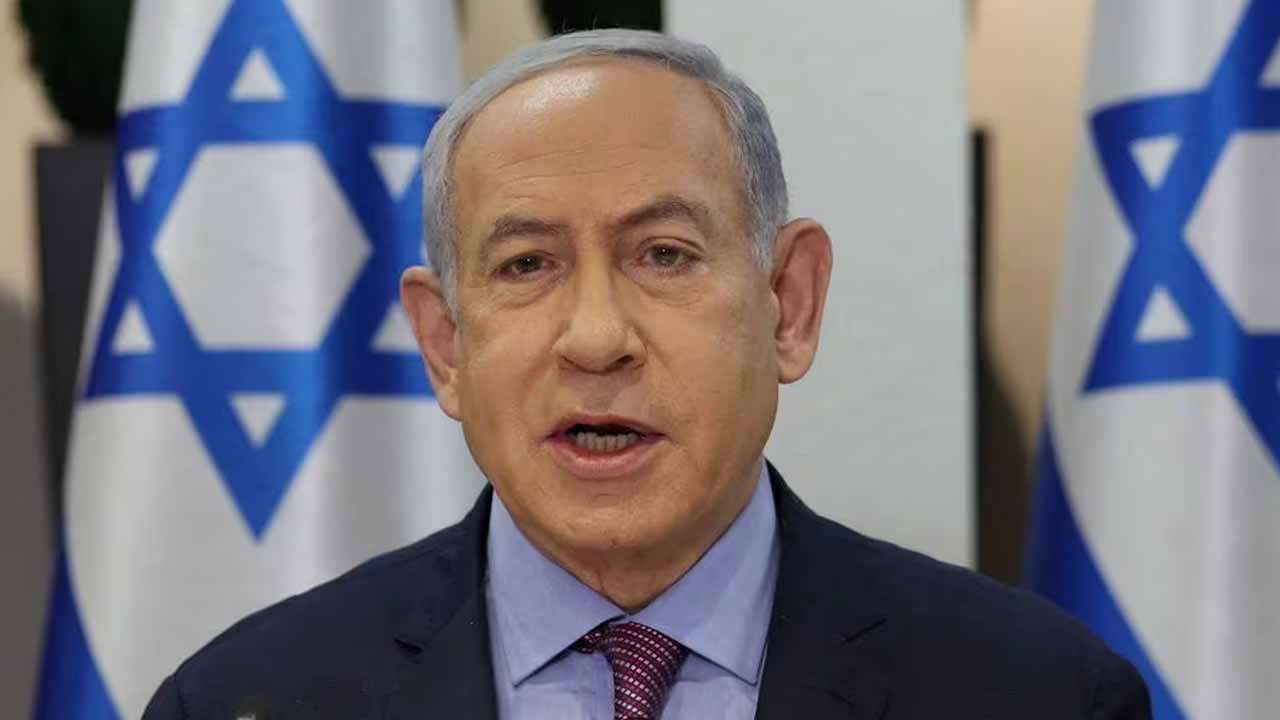
With 100 per cent of the votes counted, Prime Minister Benjamin Netanyahu’s bloc secured 53 seats in the 120-member Knesset, while the opposition bloc led by Gadi Eisenkot won 48 seats. Arab-led parties secured the remaining 19 seats, according to the final results published by Israel’s Central Elections Committee.
A minimum of 61 seats is required to form a majority government, meaning neither of the two main political blocs has enough parliamentary support to govern independently.
The 19 seats won by the Arab-led parties, comprising the Joint List and Ra’am, could play a significant role in determining who forms Israel’s next government. Their combined result represents a historic high for Arab-led parties in the Knesset. If the opposition bloc can secure their support or cooperation, it could potentially cross the 61-seat threshold.
However, forming such an alliance may prove difficult. Several opposition leaders have previously ruled out working with the Arab-led parties, creating an additional challenge for Eisenkot’s efforts to build a governing coalition. Although Netanyahu’s Likud party emerged as the largest individual party with 27 seats, the broader bloc supporting him fell short of a parliamentary majority.
The result represents a considerable decline from the 68 seats held by Netanyahu’s governing coalition in the outgoing Knesset.
Eisenkot’s Yashar party secured 21 seats, while other opposition parties contributed to the bloc’s total of 48. The election outcome reflects a divided political landscape, with voters split among competing political camps and no single alliance securing enough support to govern without negotiations.
Discover more from Scoop Hub
Subscribe to get the latest posts sent to your email.