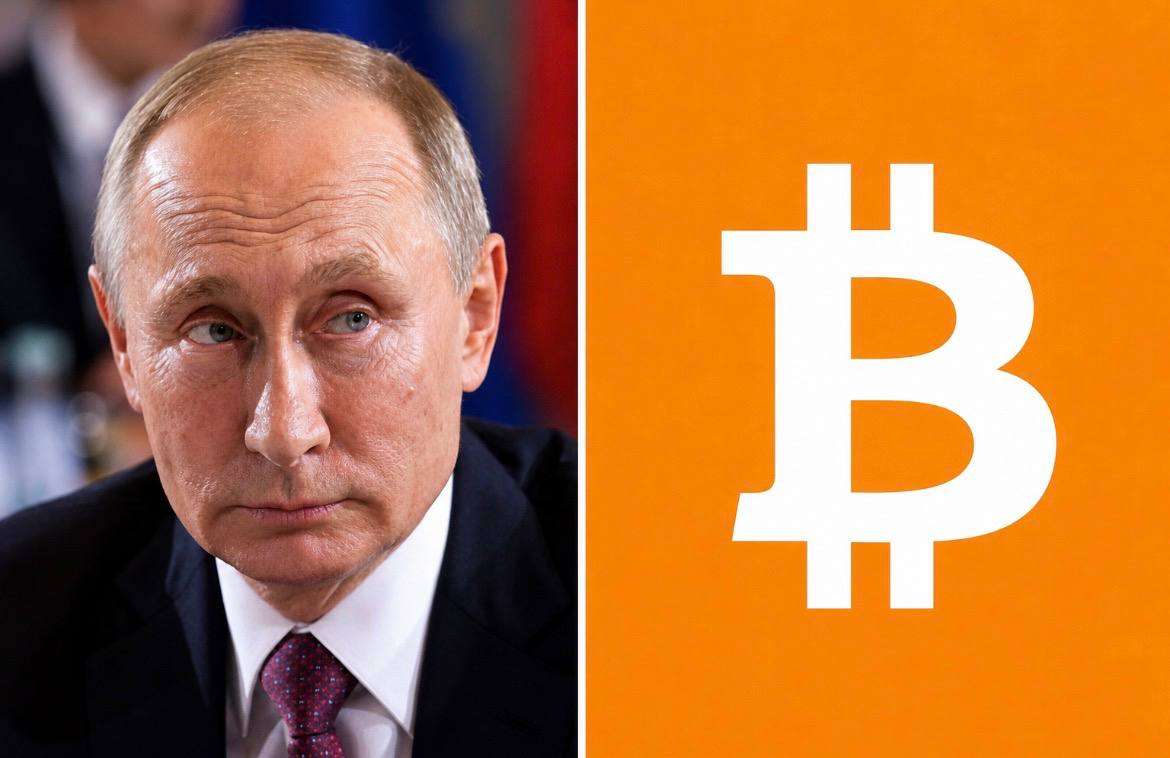
Russia is preparing to take another significant step in its digital asset strategy as the State Duma is scheduled to vote on a new cryptocurrency bill on July 21. If approved, the legislation would establish a legal framework for regulated cryptocurrency trading and allow the use of digital assets for cross-border settlements, while maintaining a strict ban on crypto payments within the country.
The proposed law is designed to help Russian businesses navigate international trade amid ongoing economic sanctions by providing an alternative channel for cross-border transactions. At the same time, lawmakers aim to preserve the Russian ruble as the country’s sole legal tender for domestic payments.
Under the bill, cryptocurrency trading would only be permitted through licensed exchanges and brokers operating under the supervision of the Bank of Russia. The central bank would oversee market participants to ensure compliance with regulatory standards and strengthen investor protection.
To reduce excessive speculation and limit retail exposure to the volatile crypto market, the legislation introduces an annual investment cap of 300,000 rubles for individual investors. The restriction is intended to balance innovation with financial stability while encouraging responsible participation in the digital asset sector.
Despite opening the door to regulated cryptocurrency use for international transactions, the bill reinforces Russia’s existing prohibition on using cryptocurrencies as a means of payment for goods and services within the country. Officials argue that maintaining this restriction is essential to safeguarding the stability and dominance of the national currency.
The proposed legislation reflects Russia’s broader effort to adapt its financial system to changing global economic conditions. Since facing extensive international sanctions, the country has increasingly explored alternative payment mechanisms to facilitate trade with foreign partners and reduce dependence on traditional financial networks.
If the bill receives parliamentary approval, cryptocurrency activities would gradually move into a regulated environment where licensed operators are subject to government oversight. Authorities believe this approach will improve transparency, reduce illicit activity and create a more secure digital asset market.
Full implementation of the law is expected by September 1, although industry experts note that licensing procedures for exchanges and brokers could delay the availability of regulated crypto services.
The outcome of the vote will be closely watched by investors, financial institutions and the global cryptocurrency industry, as it could mark a significant shift in Russia’s approach to digital assets. If enacted, the legislation would position cryptocurrency as a strategic tool for international commerce while maintaining tight controls over its use within the domestic economy.
Discover more from Scoop Hub
Subscribe to get the latest posts sent to your email.