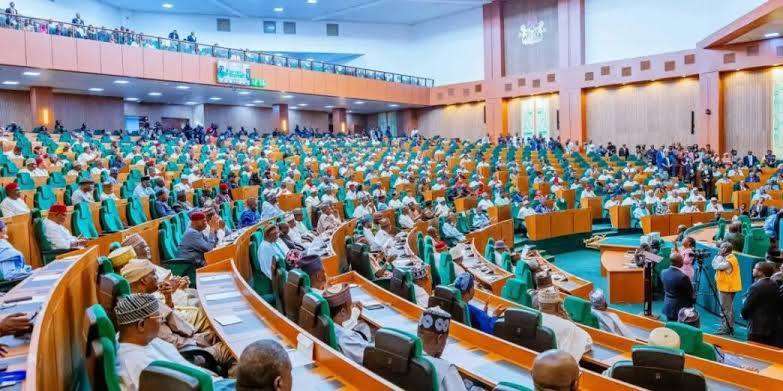
Nigeria’s Minister of Foreign Affairs, Bianca Odumegwu-Ojukwu, has stated that any retaliatory measures against South Africa over the alleged harassment of Nigerians would ultimately fall within the jurisdiction of the National Assembly.
Speaking on Wednesday, June 17, 2026, the minister explained that while the Federal Government is currently pursuing diplomatic engagement with South African authorities, lawmakers may be required to determine the country’s next course of action if those efforts fail to address growing concerns over xenophobic attacks and discrimination against Nigerians living in South Africa.
According to Ojukwu, Nigeria has continued to engage through diplomatic channels in an effort to protect its citizens and maintain cordial relations between both countries. However, she stressed that the situation remains deeply troubling, particularly for Nigerians who have built their lives in South Africa over many years.
She noted that many affected Nigerians are married to South African citizens and have children who have known no other home but South Africa. Under such circumstances, calls for these families to leave the country raise serious humanitarian and diplomatic concerns.
The minister expressed concern over reports that Nigerians and, in some cases, their South African spouses and children are being targeted or pressured because of their nationality. She argued that such treatment stands in stark contrast to the experience of South African businesses and citizens operating in Nigeria.
Ojukwu pointed out that more than 120 South African companies currently operate across various sectors of the Nigerian economy, including telecommunications, banking, hospitality, and media. She emphasized that these businesses continue to function freely without facing discrimination, identity checks, or threats to their operations.
According to her, companies such as MTN, MultiChoice, Stanbic, Protea, and several other South African-owned brands have maintained a significant presence in Nigeria and continue to enjoy a stable business environment.
The foreign affairs minister suggested that if attacks and intimidation against Nigerians persist, the country may need to reassess the options available to protect its citizens and national interests. While she stopped short of outlining specific retaliatory actions, she indicated that any major response would require constitutional input from the National Assembly.
Beyond the immediate concerns about the safety of Nigerians, Ojukwu also warned that the recurring incidents are damaging South Africa’s international reputation. She said the country risks undermining the legacy of the late Nelson Mandela, who spent decades promoting unity, equality, and Pan-African cooperation.
According to the minister, South Africa was once widely regarded as a symbol of African solidarity and progress, but repeated reports of anti-migrant hostility have created a negative perception that could have long-term consequences for the country’s image on the continent and beyond.
She noted that concerns about xenophobia have already begun affecting cultural, business, and tourism-related activities, with some events, conferences, and public gatherings reportedly facing cancellations due to growing unease.
The comments come amid renewed debate over the treatment of foreign nationals in South Africa and the broader implications for relations between Africa’s two largest economies. As diplomatic efforts continue, attention is increasingly turning to the National Assembly, which could play a decisive role in shaping Nigeria’s response should the situation fail to improve.
For now, the Federal Government maintains that dialogue remains the preferred path, but officials have made it clear that the protection of Nigerian citizens abroad remains a top priority.
Discover more from Scoop Hub
Subscribe to get the latest posts sent to your email.