The United States has officially ended its naval blockade of Iran following a new agreement between Washington and Tehran aimed at bringing an end to the conflict that has unsettled the Middle East and disrupted global energy markets.
The decision marks a major diplomatic breakthrough and paves the way for the full resumption of maritime trade through Iranian ports and coastal waters, including access to the strategically important Strait of Hormuz.
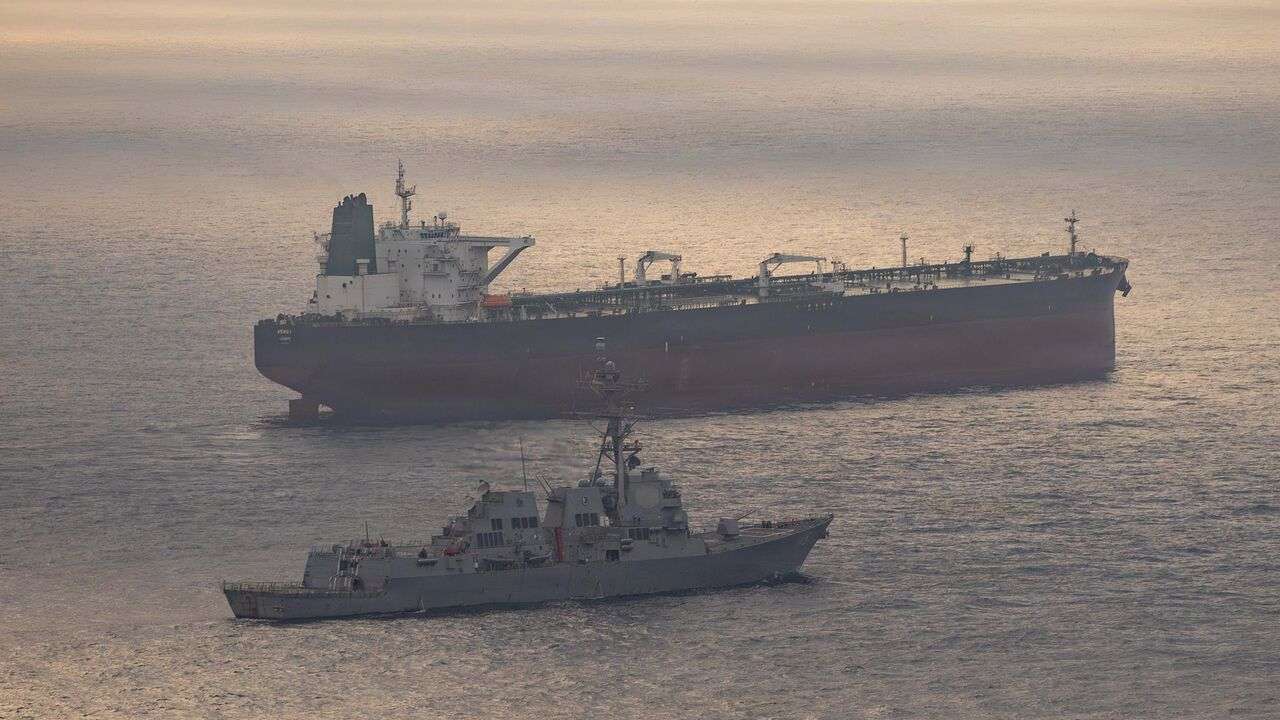
In a statement released on social media, the United States Central Command (CENTCOM) confirmed that all blockade enforcement operations had ceased in line with directives from the President. The military command stated that vessels entering or leaving Iranian ports are no longer being restricted by US forces.
According to CENTCOM, maritime traffic is now free to move through Iranian waters without interference, signaling a significant shift in US-Iran relations after months of heightened tensions and economic disruption.
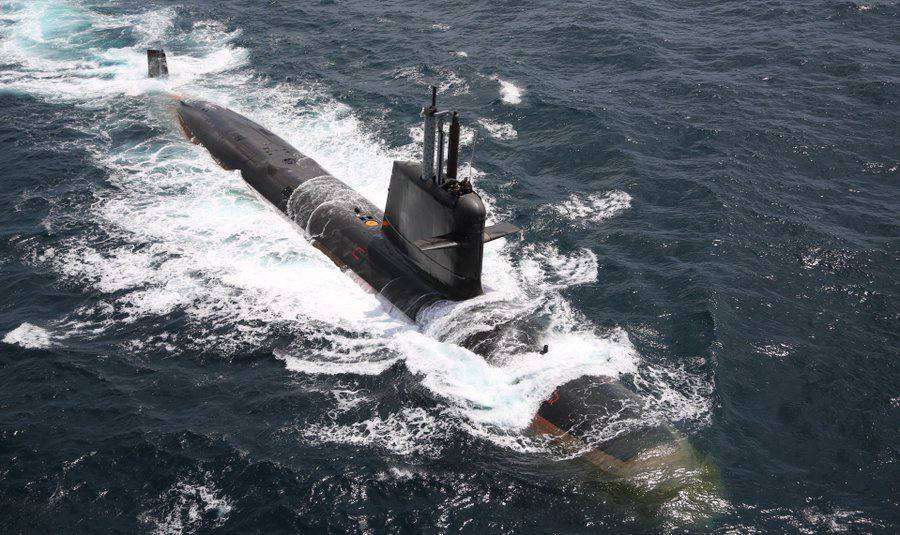
Although the blockade has been lifted, US naval forces will maintain a presence in the region to monitor compliance with the terms of the agreement. CENTCOM emphasized that American naval assets will remain nearby to ensure that all parties uphold their commitments and that the peace arrangement remains in effect.
The lifting of the blockade is expected to have immediate implications for global oil markets. The Strait of Hormuz is one of the world’s most important energy transit routes, serving as a vital gateway for crude oil shipments from the Persian Gulf to international markets.
For months, restrictions in the region raised concerns about supply disruptions and contributed to uncertainty across global energy markets. With the route now reopened, millions of barrels of crude oil that had been delayed or stranded are expected to reach buyers, particularly in Asia, where demand for energy remains strong.
Providing further insight into the development, Vice President JD Vance revealed during a White House briefing that approximately 12.5 million barrels of oil successfully passed through the Strait of Hormuz on Wednesday alone.
He also disclosed that the US Navy had permitted more than a dozen ships to transit through the previously restricted area, signaling the practical implementation of the new agreement and the restoration of commercial shipping activity.
The reopening of maritime traffic is likely to ease concerns among oil importers and refiners who had been scrambling to secure alternative energy supplies during the period of uncertainty. At the same time, analysts are closely monitoring the impact of increased oil flows on global crude prices, as the return of significant volumes to the market could influence supply-demand dynamics in the coming weeks.
Beyond its economic significance, the decision represents an important diplomatic milestone. The agreement between the United States and Iran is being viewed as a step toward reducing regional tensions and restoring stability in one of the world’s most strategically important geopolitical regions.
As commercial vessels resume normal operations and oil exports accelerate, governments, traders, and energy companies around the world will be watching closely to see whether the agreement delivers lasting stability and helps restore confidence in global energy supply chains.
Discover more from Scoop Hub
Subscribe to get the latest posts sent to your email.