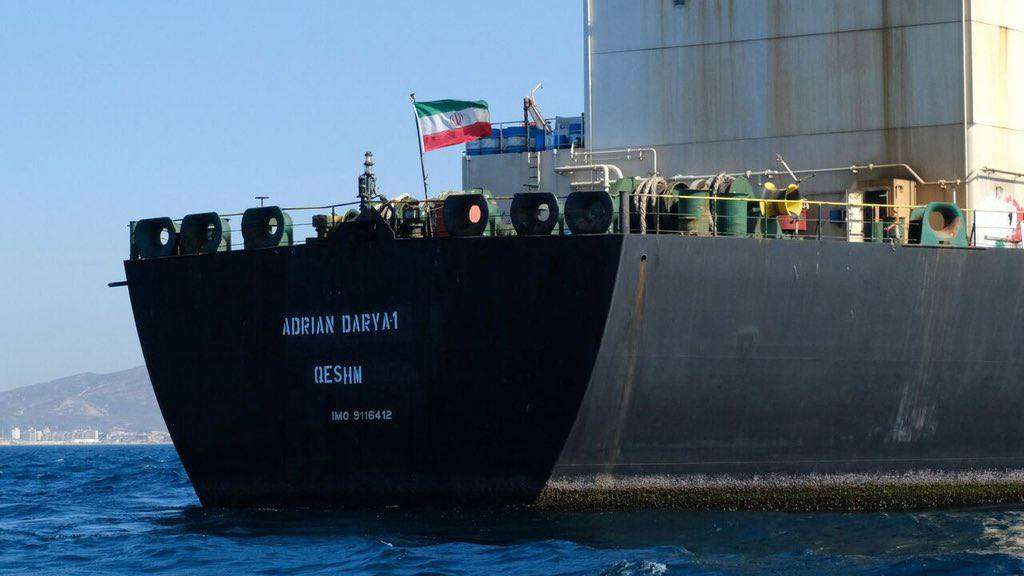
Iran has resumed crude oil exports for the first time in two months, marking a significant development for global energy markets as the first tankers carrying Iranian oil head toward East Asia.
According to ship-monitoring firm TankerTrackers.com, the initial shipments of Iranian crude have successfully departed through the Strait of Hormuz, one of the world’s most strategically important maritime trade routes. The development comes after months of disruption that severely affected the movement of oil through the region and heightened concerns about global energy supplies.
Using satellite imagery and shipping data, the monitoring firm confirmed that the tankers represent Iran’s first verified crude oil exports since a US naval blockade was imposed approximately two months ago. The resumption of exports signals a potential turning point in tensions that have disrupted oil markets and impacted supply chains across Asia and beyond.
The restart of oil shipments also comes at a crucial diplomatic moment. Senior Iranian and US officials are reportedly preparing to meet in Switzerland to finalize a preliminary agreement aimed at ending the conflict that has contributed to instability in the region. The anticipated deal has raised hopes that tensions between the two countries could ease, paving the way for a broader restoration of trade and economic activity.
With crude oil once again flowing through the Strait of Hormuz, analysts estimate that more than 60 million barrels of oil could soon enter international markets. The reopening of the vital shipping corridor is expected to relieve supply concerns that have dominated energy discussions in recent months.
The Strait of Hormuz serves as a critical gateway for global oil transportation, connecting major oil-producing countries in the Persian Gulf with markets around the world. Any disruption in the waterway typically has immediate implications for energy prices, shipping costs, and global economic stability.
While the return of Iranian exports is being welcomed as a positive sign for market stability, it may also introduce new challenges. In recent weeks, many Asian refiners scrambled to secure alternative crude supplies amid fears of prolonged shortages. Now, with Iranian cargoes returning to the market, some industry observers believe concerns could shift from supply shortages to the possibility of excess supply.
An increase in available crude oil could place downward pressure on prices, particularly if global demand fails to keep pace with the additional volumes entering the market. For refiners and traders, the sudden influx of previously stranded oil shipments could reshape supply strategies and alter market dynamics across Asia.
Energy analysts are closely monitoring the situation as the combination of renewed exports, diplomatic progress, and the reopening of the Strait of Hormuz has the potential to influence oil prices and global energy markets in the coming months.
As tankers continue their journey toward East Asian destinations, the resumption of Iranian oil exports marks a significant milestone not only for Iran’s energy sector but also for the broader global oil industry, which has spent months navigating uncertainty and supply disruptions.
Discover more from Scoop Hub
Subscribe to get the latest posts sent to your email.