Nigeria has taken another major step in its digital broadcasting journey with the launch of FreeTV, a new national digital television platform designed to provide millions of households with access to free, high-quality television services without monthly subscription charges.
The initiative, officially unveiled on June 17, 2026, is part of the Federal Government’s ongoing Digital Switch-Over (DSO) programme aimed at modernizing the country’s broadcasting sector and expanding access to digital content across all regions.
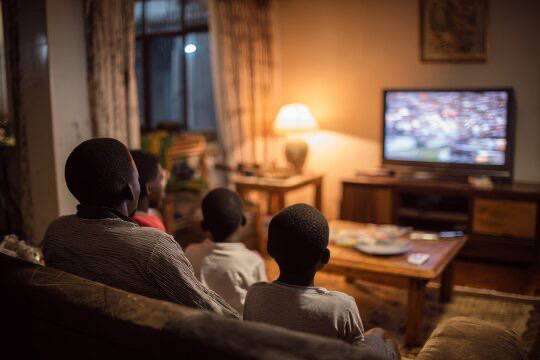
Through FreeTV, Nigerians will be able to access more than 100 television channels covering a wide variety of interests, including news, sports, movies, music, educational programming, children’s entertainment, and indigenous language content. The platform is expected to significantly improve access to information and entertainment, particularly for households that may be unable to afford recurring pay-TV subscriptions.
One of the key attractions of the service is that viewers will not be required to pay monthly fees to access the available channels. The government says the platform is designed to make digital television more inclusive and accessible, ensuring that people from different economic backgrounds can benefit from the ongoing digital transformation of the broadcasting industry.
FreeTV will be available through both satellite and terrestrial transmission networks, allowing coverage to extend beyond major urban centres into rural and underserved communities. In addition, viewers will be able to access content through the FreeTV mobile application, creating greater flexibility for users who prefer to watch television on mobile devices.
The government also clarified that most Nigerians may not need to purchase new television sets to use the service. Existing televisions can work with compatible DVB-T2 or DVB-S2 decoders, while many households already using free-to-air decoders may be able to access the platform without significant additional costs.
According to the National Broadcasting Commission (NBC), the launch aligns with broader efforts to promote digital inclusion and ensure that technological advancements reach every part of the country regardless of location or income level. The commission believes the initiative will help bridge information gaps and expand access to quality broadcasting services nationwide.
Beyond improving television access, FreeTV is expected to create new opportunities within Nigeria’s creative economy. The platform is designed to support local content production by providing more channels and programming opportunities for Nigerian filmmakers, producers, broadcasters, and content creators.
To support this objective, regional production centres have been established in Lagos, Abuja, Port Harcourt, Enugu, Kano, and Benin. These hubs are expected to stimulate content development while creating employment opportunities for editors, camera operators, sound engineers, technicians, producers, and other media professionals across the country.
The launch of FreeTV represents another significant milestone in Nigeria’s transition from analogue to digital broadcasting. While the country has made substantial progress under the Digital Switch-Over programme, authorities remain committed to achieving a complete migration, with the final analogue switch-off still scheduled for December 31, 2028.
As Nigeria moves closer to a fully digital broadcasting ecosystem, officials are encouraging citizens to check the compatibility of their decoders and explore the new platform. With free access to a wide range of content and nationwide coverage, FreeTV is expected to play a crucial role in transforming how millions of Nigerians consume television and digital media in the years ahead.
Discover more from Scoop Hub
Subscribe to get the latest posts sent to your email.