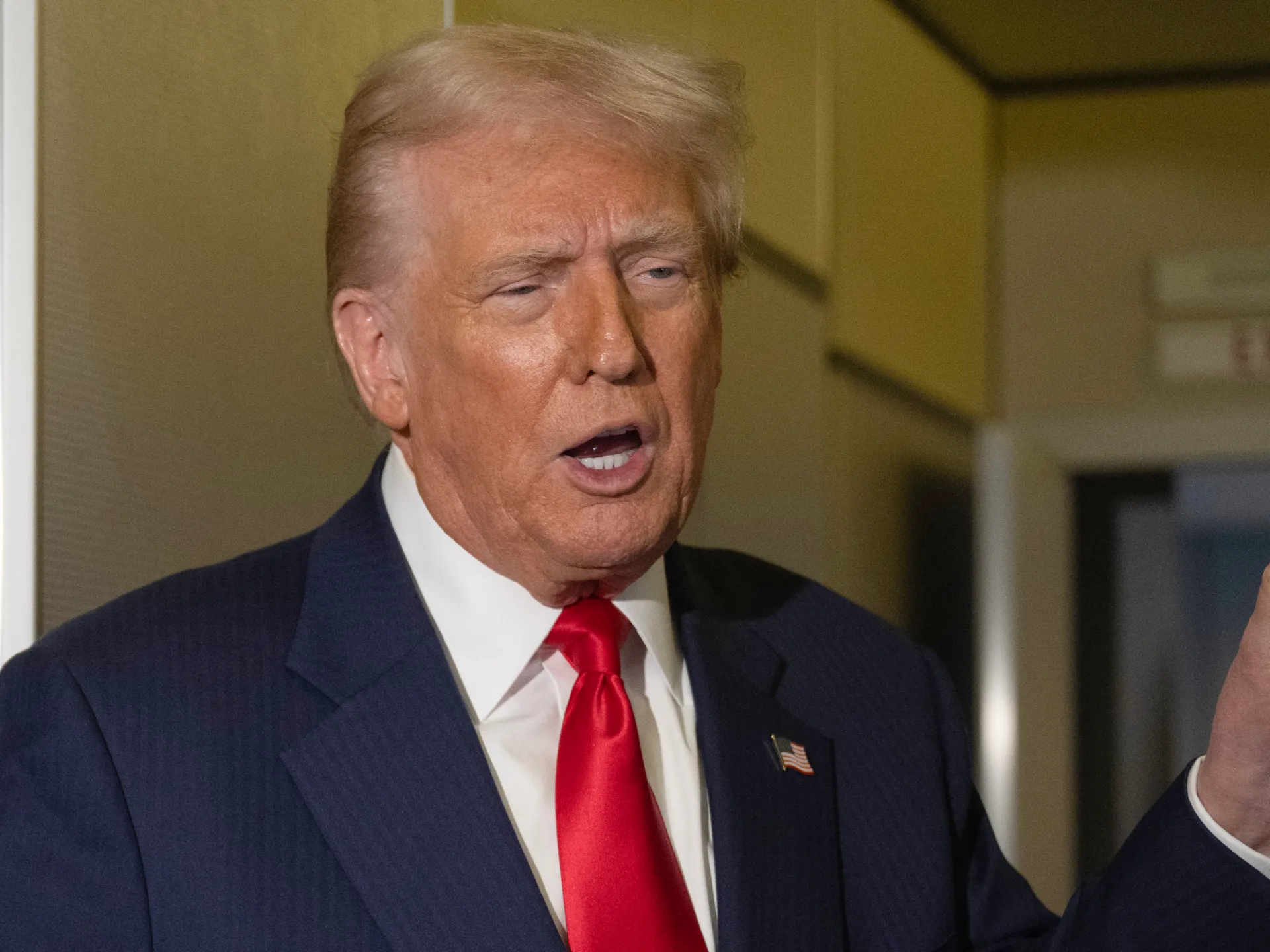
U.S. President Donald Trump has moved to withdraw his $10 billion lawsuit against the Internal Revenue Service (IRS), following a Justice Department announcement outlining a settlement framework that includes the creation of a multi-billion-dollar compensation fund.
According to the U.S. Department of Justice, the agreement involves establishing a $1.776 billion fund intended to compensate individuals identified as victims in claims related to alleged government misconduct. The arrangement reportedly comes after Trump and his sons agreed to drop their long-running lawsuit against the IRS.
The settlement structure has drawn scrutiny, particularly over how the fund will be managed. It is expected to be overseen by five commissioners, with four appointed by the attorney general and removable at the discretion of Trump, while the fifth would be selected in consultation with congressional leadership. Critics have raised concerns about the level of independence and accountability in the proposed oversight system.
The fund is also described as having the authority to issue formal apologies and will be required to submit quarterly reports to the U.S. attorney general detailing payouts. A memo attributed to acting U.S. Attorney General Todd Blanche stated that once funds are deposited, the government would bear no responsibility for safeguarding them against risks such as fraud, mismanagement, or banking failures.
Notably, there appear to be no strict limitations outlined on who may apply for compensation, further fueling debate over the structure and potential scope of the fund. While Trump and his sons were plaintiffs in the original lawsuit, officials confirmed they will not receive financial compensation under the settlement, though they would be issued a formal apology.
Any remaining funds at the end of Trump’s term are expected to be returned to the federal government. In a statement, Blanche defended the agreement, saying the initiative is designed to address what he described as past injustices while ensuring a structured process for individuals seeking redress.
He added that the intention of the settlement is to prevent future misuse of government power and to provide a formal avenue for those claiming harm from alleged “weaponization” of federal institutions.
As part of the broader agreement, Trump will also drop additional claims seeking monetary damages tied to the FBI search of Mar-a-Lago and investigations related to alleged Russian interference in the 2016 election.
The filing came shortly before a court-imposed deadline requiring clarification on whether a valid legal dispute still existed, particularly given arguments that Trump’s influence over the IRS raised questions about the legitimacy of the case.
In the final submission, Trump’s legal team requested dismissal of the lawsuit, signaling an effort to close the case before further judicial review. The move effectively ends a high-profile legal challenge that had drawn attention for both its scale and its political implications.
Discover more from Scoop Hub
Subscribe to get the latest posts sent to your email.