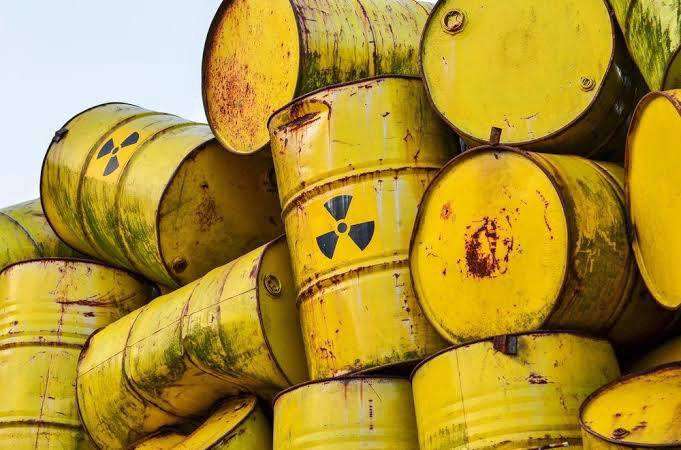
Russia has stated that the United States cannot take possession of Iran’s enriched uranium without the direct consent of the Iranian government, adding a fresh layer of complexity to already heightened tensions surrounding Tehran’s nuclear program.
Kremlin spokesperson Dmitry Peskov said Iran’s enriched uranium remains the legal property of Iran, meaning no foreign country—including the United States or Russia—can lawfully transfer, seize, or relocate the material without Tehran’s explicit approval.
The statement comes amid renewed global scrutiny over Iran’s uranium stockpile and broader concerns about nuclear security, regional stability, and diplomatic deadlock.
According to Russian officials, President Vladimir Putin had previously proposed a diplomatic arrangement in which Moscow would temporarily hold Iran’s uranium reserves as part of a broader de-escalation framework. The idea was reportedly intended as an interim confidence-building measure aimed at reducing tensions and creating room for further nuclear negotiations.
However, reports indicate that Washington declined the proposal. Although no official details have been publicly disclosed regarding the reasons behind the rejection, the move suggests continuing disagreements over how Iran’s nuclear materials should be managed within any future diplomatic settlement.
Iran’s enriched uranium stockpile has remained one of the most contentious issues in international nuclear diplomacy.
Western governments, particularly the United States and its allies, have long expressed concern over Iran’s uranium enrichment activities, arguing that increased stockpiles and higher enrichment levels could shorten the pathway to weapons-grade capability.
Iran, however, has consistently maintained that its nuclear program is intended for peaceful civilian purposes, including energy production and scientific research. The issue has become even more sensitive amid escalating geopolitical tensions involving Iran, the United States, and Israel.
Israel has repeatedly described Iran’s nuclear program as a direct national security threat and has pushed for stronger international measures to limit Tehran’s nuclear capabilities. Against this backdrop, control over Iran’s uranium reserves is increasingly emerging as a major strategic and diplomatic flashpoint.
Russia’s intervention in the debate reflects Moscow’s continued role as a central player in Middle East diplomacy and global nuclear negotiations. By emphasizing Iran’s legal ownership over its uranium stockpile, Russia appears to be reinforcing the principle that any future arrangement involving the material must be negotiated rather than imposed.
The latest development underscores the fragile state of diplomacy surrounding Iran’s nuclear file. With multiple regional powers deeply invested in the outcome and trust between major actors remaining low, the question of who controls or safeguards Iran’s enriched uranium is becoming a defining issue in the broader confrontation over security and influence in the Middle East.
As tensions continue to build, diplomatic efforts aimed at managing Iran’s nuclear activities may face even greater pressure in the months ahead.
Discover more from Scoop Hub
Subscribe to get the latest posts sent to your email.