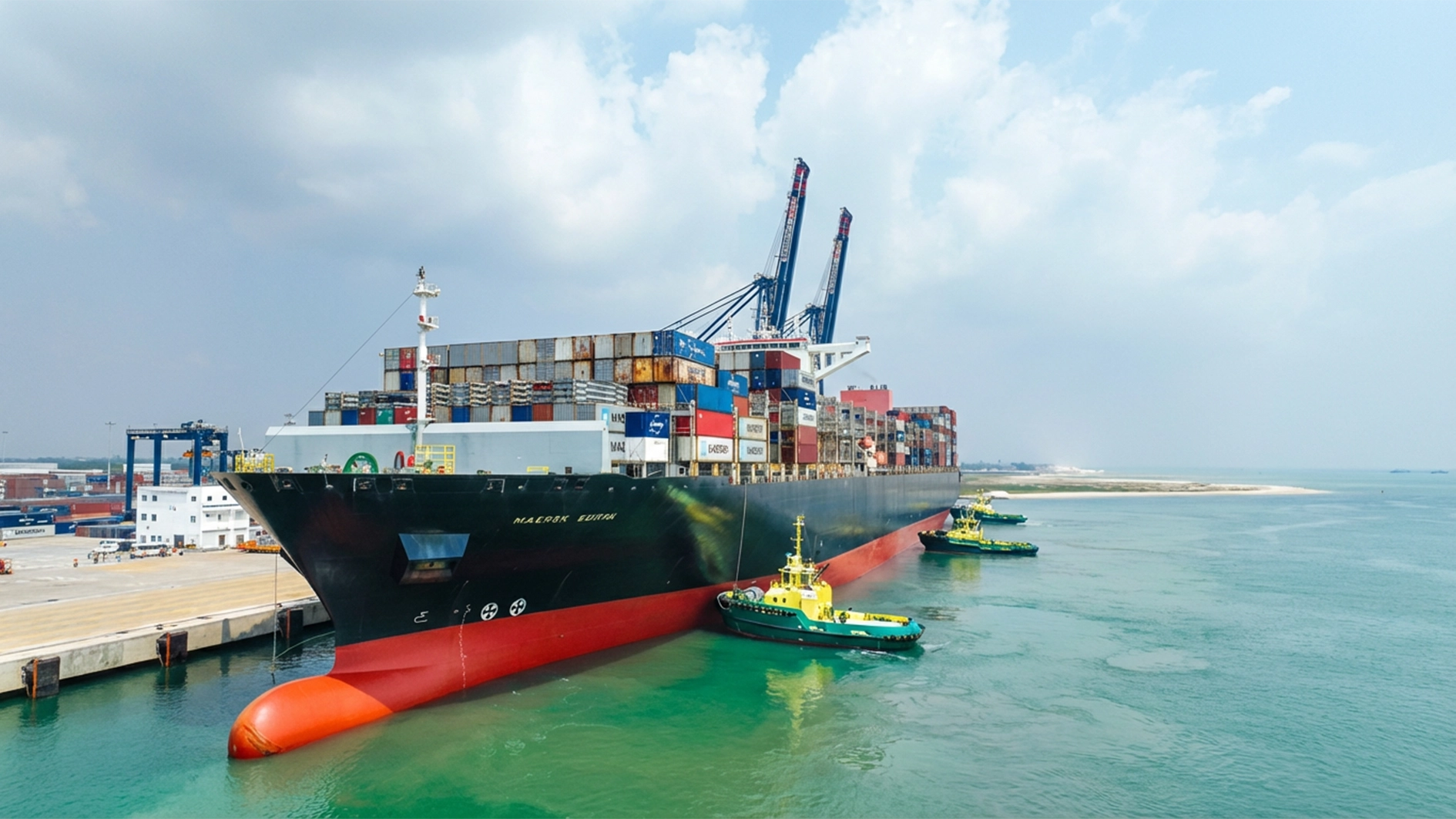
Nigeria is set to receive a fresh supply of petroleum products as at least eight vessels carrying more than 164,000 metric tonnes of fuel prepare to berth at major ports across the country. The incoming shipments include both Premium Motor Spirit (PMS), commonly known as petrol, and Automotive Gas Oil (AGO), widely referred to as diesel.
According to shipping data, the total cargo volume consists of approximately 81,882 metric tonnes of petrol and 82,000 metric tonnes of diesel scheduled for discharge at ports in Lagos State, Delta State, and Cross River State.
The development comes after the Nigerian Midstream and Downstream Petroleum Regulatory Authority (NMDPRA) approved fuel importation licences for marketers, signaling continued reliance on imported refined petroleum products despite rising domestic refining capacity.
Most of the diesel cargoes are expected at the Kirikiri Lighter Terminal in Lagos, one of Nigeria’s busiest fuel import hubs. Several vessels carrying diesel have already arrived or are scheduled to berth within the current shipping window.
Among them is the vessel HUDSON, which reportedly arrived with 25,000 metric tonnes of diesel. Other diesel shipments include ALINDA carrying 10,000 metric tonnes, PINARELLO with 20,000 metric tonnes, and LESTE, which is expected to deliver an additional 27,000 metric tonnes.
Petrol shipments are also scheduled across multiple terminals. One vessel, UM BALWA, is expected to deliver 32,000 metric tonnes of PMS at the Kirikiri terminal. Additional petrol cargoes are set for delivery at Koko Port in Warri and the AYM Shafa terminal, while another shipment is scheduled to berth in Calabar carrying nearly 15,000 metric tonnes of PMS.
Industry stakeholders say the incoming vessels could improve product availability across depots nationwide and support more stable fuel distribution. The increased supply may also help ease pressure on logistics networks and reduce localized shortages in some parts of the country. However, the continued approval of fuel imports has reignited debate over Nigeria’s long-term fuel supply strategy.
Some industry operators argue that large-scale petrol imports should gradually be reduced or suspended as the Dangote Petroleum Refinery ramps up operations. The refinery has been positioned as a major solution to Nigeria’s decades-long dependence on imported refined products.
Recent claims by the NMDPRA suggest that the Dangote refinery now supplies more than 90 percent of Nigeria’s daily petrol consumption.
Despite this, the latest import activity indicates that imported fuel still plays an important role in supplementing domestic supply, likely to bridge distribution gaps and maintain market stability during the transition period.
The NMDPRA recently granted import licences to six fuel marketers for the importation of 720,000 metric tonnes of petrol. The approved marketers include NIPCO, AA Rano, Matrix Energy Group, Shafa Energy, Pinnacle Oil and Gas, and Bono Energy.
The arrival of the new cargoes underscores the continued balancing act within Nigeria’s downstream petroleum sector as authorities navigate fuel supply security, market demand, and the integration of expanding domestic refining capacity.
As discharge operations begin, attention will remain on how the fresh imports affect fuel availability, depot pricing, and broader energy market stability across the country.
Discover more from Scoop Hub
Subscribe to get the latest posts sent to your email.