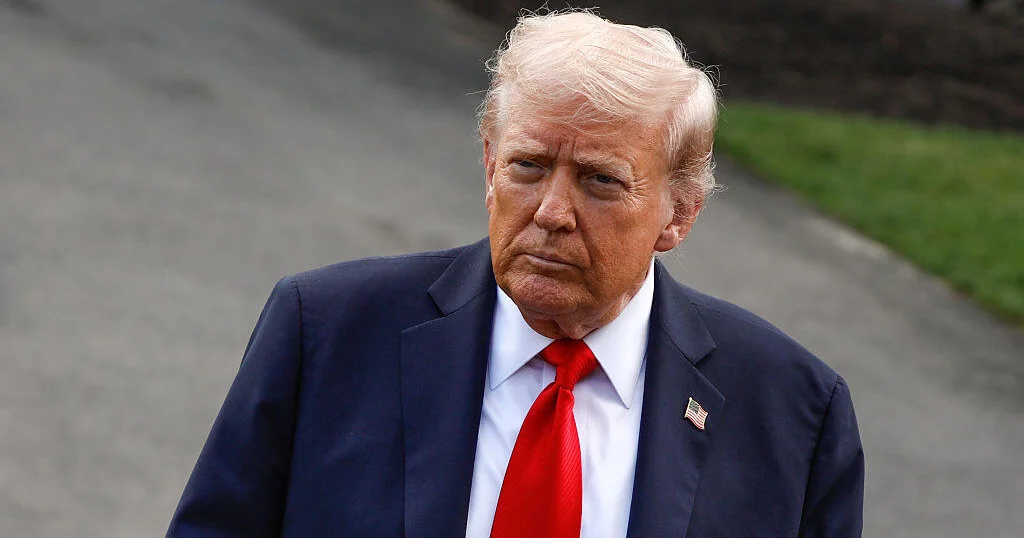
Tensions between the United States and Iran remain high despite a fragile diplomatic window, as President Donald Trump announced an extension of the ongoing ceasefire just hours before its scheduled expiration. The decision comes as both sides race against time to reach a more permanent agreement.
The initial two-week ceasefire, which was set to expire on April 22, 2026, has been overshadowed by uncertainty and mutual distrust. Trump claimed that Iran had violated the agreement multiple times, raising concerns about the durability of any future deal. Despite these accusations, the U.S. has opted to keep the truce in place temporarily to allow negotiations to continue.
A key factor behind the extension is the involvement of Pakistan as a mediator. According to Trump, the request to delay further military action came directly from Pakistan’s leadership, including Prime Minister Shehbaz Sharif and Army Chief Asim Munir. Their appeal aimed to create space for diplomatic efforts, giving Iranian representatives time to present what Trump described as a “unified proposal.”
Vice President J.D. Vance is expected to participate in the next phase of discussions, alongside an Iranian delegation arriving in Islamabad. The talks are seen as a last-ditch effort to secure a breakthrough before the extended ceasefire window closes.
While diplomacy remains ongoing, the United States has made it clear that pressure tactics will not be eased entirely. Trump confirmed that the naval blockade affecting Iranian ports will remain in place, including restrictions around the critical Strait of Hormuz. He emphasized that U.S. forces will stay on high alert, ready to respond depending on the outcome of negotiations.
In his remarks, Trump also suggested internal divisions within Iran’s leadership, describing the government as “seriously fractured.” This claim adds another layer of complexity to the talks, as it raises questions about Tehran’s ability to present a cohesive position.
Pakistan has welcomed the extension, with Sharif publicly thanking the U.S. president for allowing more time for diplomacy to play out. The move reflects Islamabad’s growing role as a mediator in high-stakes international conflicts, particularly in regions where tensions risk spilling over into global economic and security concerns.
As the deadline shifts, the coming days will be critical. The outcome of these negotiations could determine whether the current ceasefire evolves into a lasting agreement or collapses into renewed confrontation, with significant implications for global stability and energy markets.
Discover more from Scoop Hub
Subscribe to get the latest posts sent to your email.