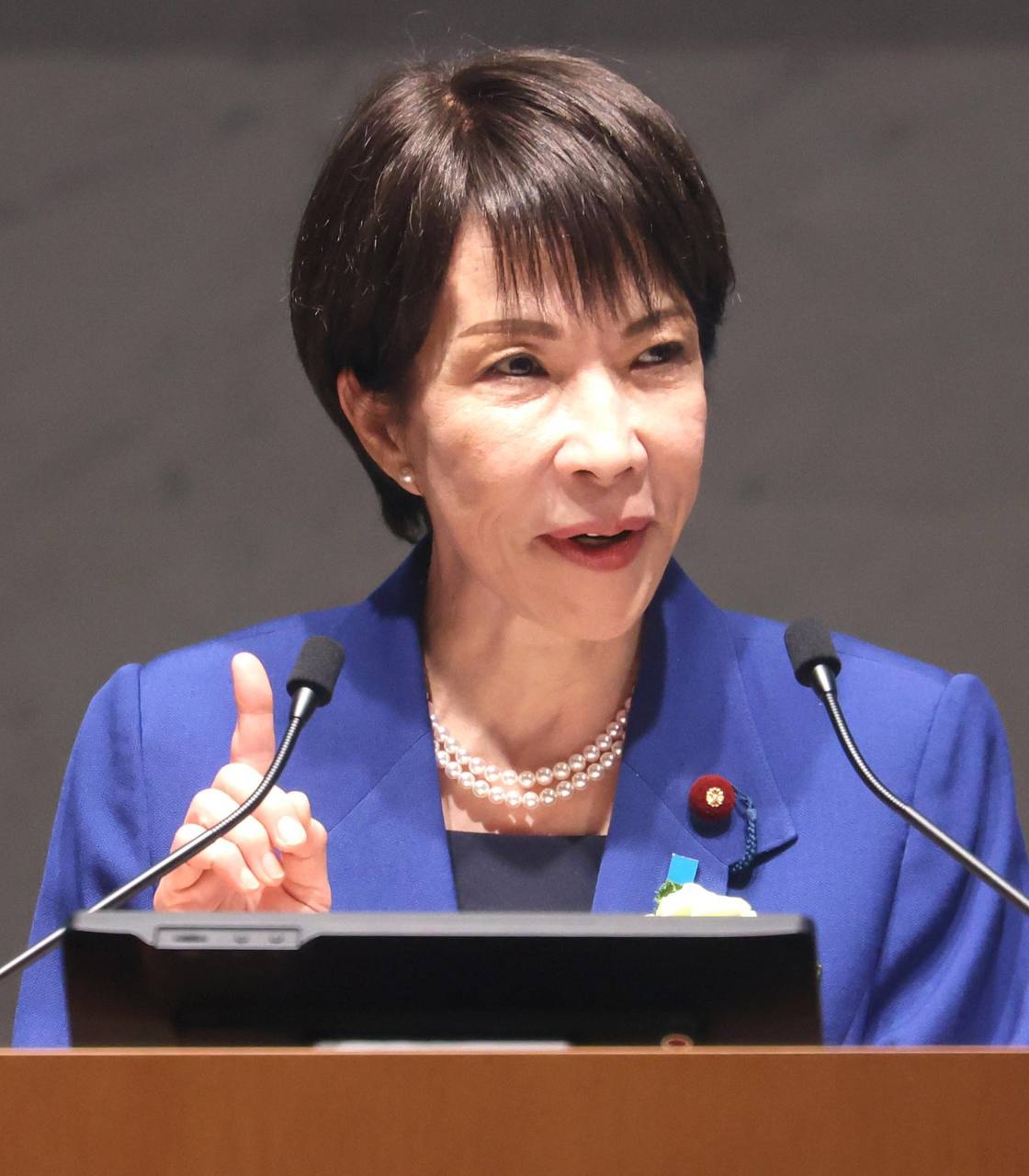
Japan’s Prime Minister Sanae Takaichi has sparked debate about gender roles and the demands placed on women after saying that her daily routine takes an estimated three to four hours longer than that of her male predecessors.
Takaichi made the remarks on Wednesday, October 14, during a parliamentary session in which the workload and schedule of Japan’s prime minister were being discussed.
“In the morning, I bathe, fix breakfast and then wash dishes, not to mention apply makeup,” she said. “I feel like I’m spending three or four more hours than male prime ministers doing these things,” according to reports by The Japan Times and the Associated Press. <Cite refs={[“turn109548search0″,”turn109548news7”]} />
Takaichi, who became Japan’s first female prime minister in 2025, explained that preparing for public appearances also requires additional time. She said her aides initially needed time to adjust to the extra preparation she required before appearing on camera.
Remarks Trigger Debate About Gender Roles
Her comments quickly drew reactions online, with discussions focusing on traditional expectations for women, household responsibilities and the pressure to maintain a polished appearance in public office.
Some critics argued that her remarks appeared to reinforce outdated gender stereotypes, while others pointed to the unequal distribution of domestic work between men and women in Japan.
Government figures cited by the Associated Press indicate that women in Japan spend considerably more time on household chores than men. This gap highlights a wider social issue affecting women who must balance professional responsibilities with domestic duties. <Cite refs={[“turn109548news7″,”turn109548search1”]} />
The discussion also raised questions about whether women in senior leadership positions face additional expectations regarding their appearance, even when their male counterparts are not expected to spend the same amount of time on grooming.
Japan’s Prime Minister Faces a Demanding Schedule
Beyond her morning routine, Takaichi has spoken about the difficulty of managing the demands of leading the country.
Japanese prime ministers often spend long hours attending parliamentary sessions and responding to lawmakers’ questions. During the same discussion, Fumitake Fujita, a senior figure in the ruling coalition’s partner party, called attention to the amount of time Japan’s leader spends in parliament compared with leaders in other countries. <Cite refs={[“turn109548search0″,”turn109548search5”]} />
Takaichi has also previously described working late into the night and struggling to find enough uninterrupted time to review documents and think about Japan’s long-term direction.
Her latest remarks have therefore brought two issues into focus: the heavy workload attached to the office of prime minister and the additional expectations women may face in balancing leadership with domestic responsibilities and personal presentation.
A Wider Conversation About Women and Work
The debate surrounding Takaichi’s comments reflects a broader challenge in workplaces around the world. Women often face expectations related to housework, caregiving and appearance alongside their professional duties.
However, reactions to the prime minister’s statement have also highlighted a distinction between acknowledging those pressures and suggesting that they are unavoidable features of being a woman.
Takaichi’s comments have opened a discussion about how domestic responsibilities are shared, how professional schedules are structured and whether women in leadership should be expected to meet different standards from men.
As Japan continues to debate gender equality and workplace culture, the conversation surrounding its first female prime minister has drawn attention to the practical demands that can shape women’s experiences in public life.
Discover more from Scoop Hub
Subscribe to get the latest posts sent to your email.