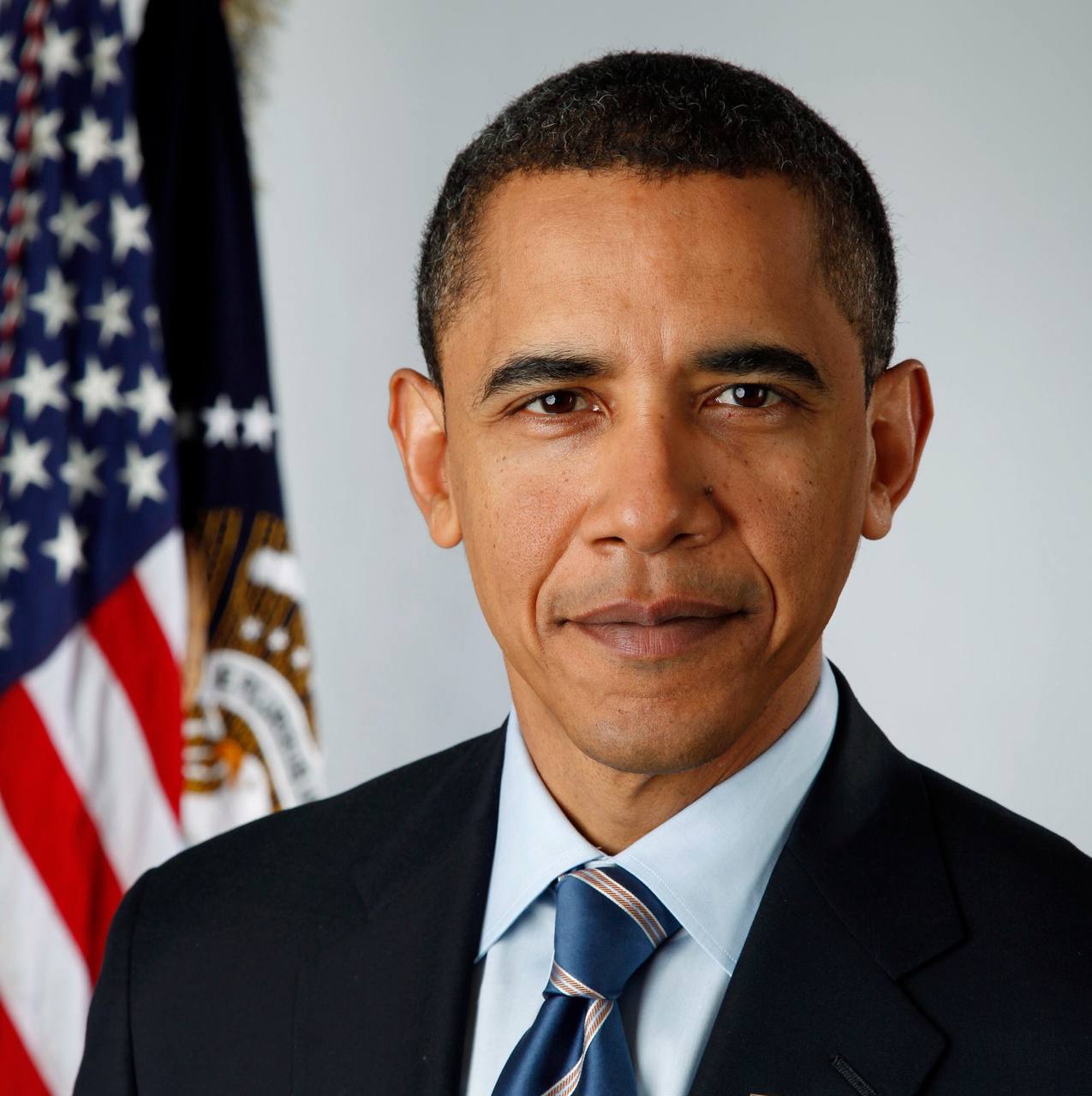
Former US President Barack Obama has criticised Israel’s treatment of Palestinians, saying Jewish people who sought refuge from centuries of persecution took land from Palestinians and acted excessively, fuelling a sense of injustice that continues to shape the conflict today.
Obama made the remarks on October 13, 2026, during a public conversation with journalist Susan McKay in Belfast, Northern Ireland, where he was visiting to receive an honorary doctorate from Queen’s University Belfast.
Speaking about the history of the Israeli-Palestinian conflict, Obama acknowledged that Jewish people had endured centuries of oppression, discrimination and violence, much of it in Europe. He said their desire to find a safe homeland was understandable because of their historic ties to the region.
However, he argued that Palestinian experiences of dispossession also needed to be recognised. “What is also undeniable is that they took the land of people and they were expelled,” Obama said, explaining why Palestinians view the loss of their land as an injustice.
Obama’s remarks addressed one of the central disputes in the Israeli-Palestinian conflict: the competing historical experiences and national aspirations of two peoples with deep connections to the same land. The modern Zionist movement emerged in the late 19th century, seeking a Jewish homeland amid rising antisemitism and persecution in Europe. Jewish immigration to Ottoman and later British-controlled Palestine increased over subsequent decades.
Jewish communities also maintained a longstanding religious, cultural and historical connection to the land. Some Jewish immigrants acquired property through legal purchases, while the establishment of Israel in 1948 and the war surrounding its creation resulted in the displacement and flight of hundreds of thousands of Palestinians.
Palestinians refer to this mass displacement as the Nakba, meaning catastrophe. Many Palestinian families lost their homes and communities, and the question of refugees’ rights and return remains one of the most contentious issues in peace negotiations.
Obama’s comments placed these historical grievances at the centre of his argument that lasting peace cannot be achieved by ignoring the experiences of either side.
The former president also criticised Israel’s reliance on military strength as its primary means of ensuring security. He argued that the stronger party in a conflict has a particular responsibility to make concessions and help break cycles of violence.
Obama warned that a strategy based on military superiority, territorial expansion and refusing compromises might provide short-term advantages but could undermine Israel’s long-term security and international standing. He said Israel had “ceded moral ground” by pursuing an approach that, in his view, failed to adequately address Palestinian rights and aspirations.
His remarks included criticism of the policies of Prime Minister Benjamin Netanyahu’s government, particularly regarding continued Israeli encroachment in the occupied West Bank and the devastating consequences of the conflict in Gaza.
Obama argued that millions of Palestinians and Israelis would continue to live in the region, making a lasting political settlement essential.
Despite his criticism of Israel, Obama also challenged Palestinian leaders and armed groups to reconsider strategies that rely on violence. He argued that Palestinians could not defeat Israel through superior military force and encouraged them to pursue political change through moral arguments, international solidarity and nonviolent mobilisation.
He also condemned the October 7, 2023, Hamas-led attacks on Israel, questioning whether such violence could achieve meaningful political progress for Palestinians.
Obama said the immediate priorities should include ending the violence, alleviating suffering in Gaza, halting continued encroachment in the West Bank and creating conditions for reconstruction and longer-term peace. His comments reflected an argument that neither side can achieve lasting security by attempting to impose its will entirely on the other.
Obama’s comments prompted criticism from Israeli officials and pro-Israel commentators, who argued that his description of Israel’s establishment gave insufficient attention to Jewish historical ties to the land and the legal purchase of property by Jewish communities before 1948.
Israeli Prime Minister Benjamin Netanyahu responded by emphasising the Jewish people’s longstanding connection to their homeland and Israel’s right to exist as a state.
Netanyahu argued that Israel’s security cannot be separated from the recognition of its right to exist and from the threats posed by groups that reject that right.
The disagreement reflects a longstanding divide over how the history of Israel’s establishment should be understood, including the relationship between Jewish self-determination, Palestinian displacement and competing claims to the land.
While legal land purchases formed part of the history, they do not by themselves explain the full circumstances of Palestinian displacement during the 1948 war and subsequent conflicts.
The former president’s remarks have renewed debate over the relationship between historical injustice, national security and the prospects for peace in the Middle East.
For Palestinians, questions of land, displacement, occupation and self-determination remain central to their national aspirations. For Israelis, security, recognition and the historical connection of the Jewish people to the land remain fundamental concerns. The challenge facing both sides is how to address these competing claims without perpetuating cycles of violence.
Obama’s argument is that military superiority alone cannot provide a sustainable solution and that meaningful progress requires political compromises, protection of civilians and recognition of the rights and security of both peoples.
Barack Obama’s remarks in Belfast have reignited debate over Israel’s establishment, Palestinian dispossession and the moral responsibilities of a powerful state in a prolonged conflict.
While acknowledging the persecution that drove many Jewish people to seek refuge and their historic connection to the land, Obama argued that Palestinian experiences of displacement and injustice cannot be ignored.
Discover more from Scoop Hub
Subscribe to get the latest posts sent to your email.