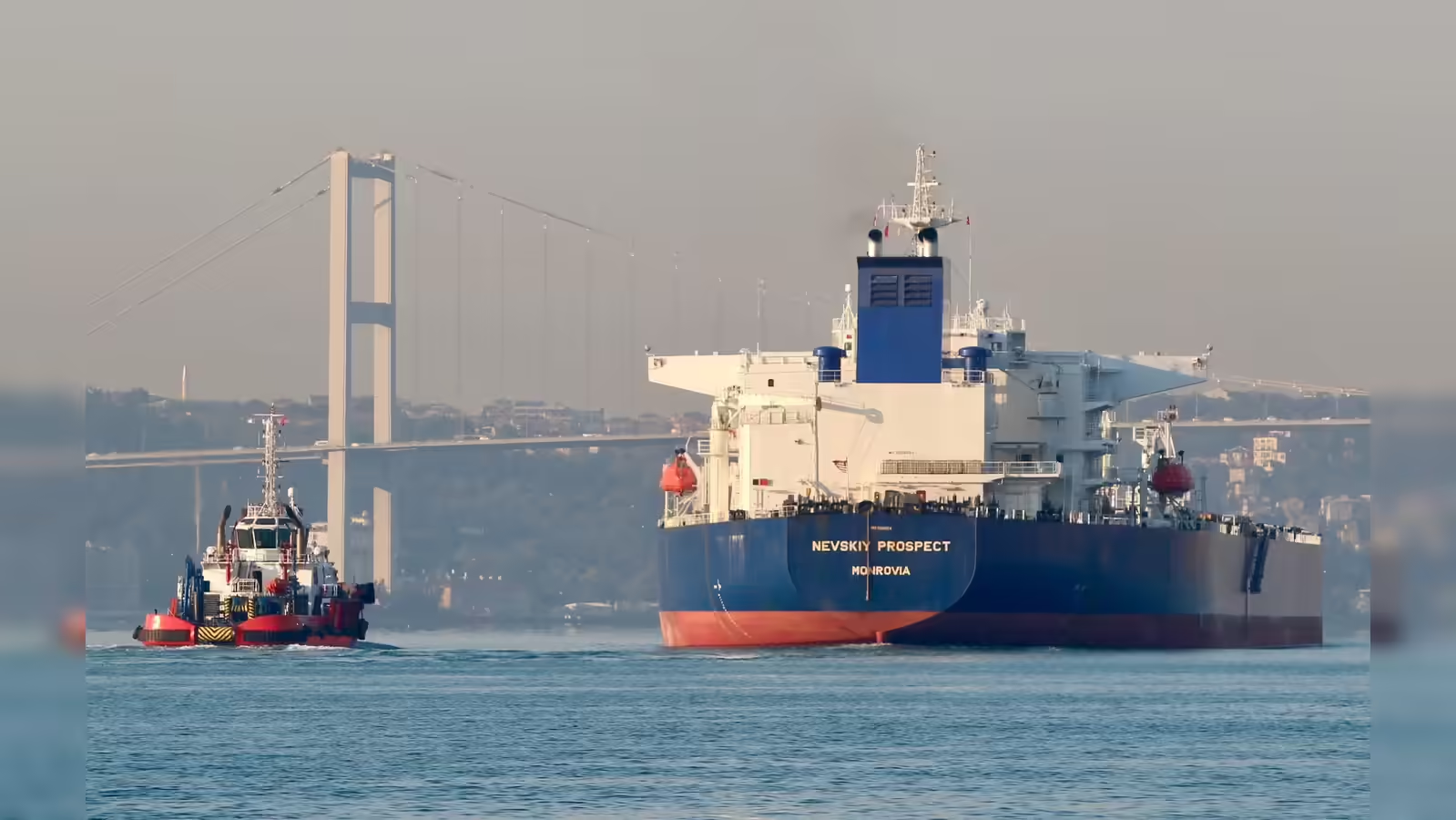
The United States has extended its sanctions waiver on Russian oil exports for an additional 30 days, a move aimed at stabilizing global energy markets as tensions around the Strait of Hormuz continue to impact supply.
The decision, announced by the administration of Donald Trump, allows countries to continue purchasing Russian oil and petroleum products loaded onto vessels within the approved window, now running through mid-May. This replaces an earlier waiver that expired in April and is part of broader efforts to ease pressure on global oil prices.
According to the US Department of the Treasury, the waiver is designed to ensure that energy supplies remain accessible, particularly for countries grappling with disruptions caused by ongoing geopolitical tensions. However, the exemption does not apply to transactions involving countries such as Iran, Cuba, and North Korea, which remain under strict sanctions.
The move comes at a time when global oil prices have been volatile, largely driven by the ongoing conflict involving the United States, Israel, and Iran. Disruptions in key shipping routes and uncertainty in supply chains have pushed prices higher, creating challenges for energy-dependent economies.
Several countries, particularly in Asia, have reportedly urged Washington to maintain flexibility in its sanctions policy to prevent further strain on their economies. By extending the waiver, the US aims to strike a balance between maintaining pressure on Russia over its war in Ukraine and preventing a deeper global energy crisis.
Officials say the decision is also linked to ongoing diplomatic efforts with Iran, as negotiations continue in the background. Ensuring steady oil supply during this period is seen as critical to keeping markets stable and avoiding further economic shocks.
While the extension has drawn criticism from some lawmakers who argue it could weaken sanctions against Russia, the administration maintains that the priority is to protect global energy security and prevent further escalation in oil prices.
As the situation evolves, the extension underscores the delicate balance between geopolitics and global economic stability, with energy markets remaining highly sensitive to developments in key regions.
Discover more from Scoop Hub
Subscribe to get the latest posts sent to your email.