Fresh developments in the Middle East have raised cautious optimism in global markets after Iran confirmed the reopening of the Strait of Hormuz, one of the world’s most critical energy corridors.
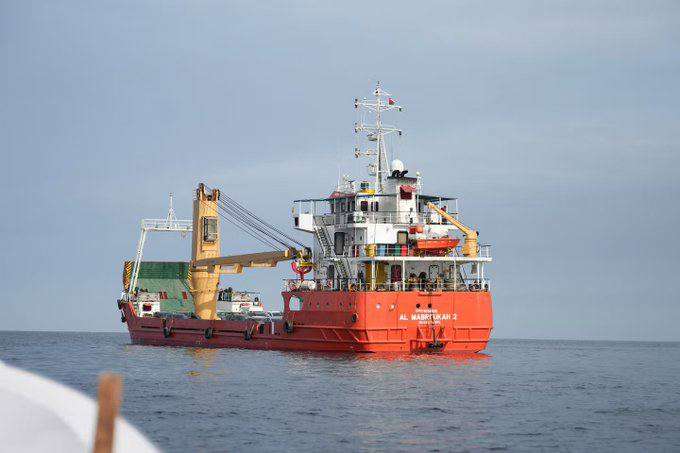
Iran’s Foreign Minister, Abbas Araghchi, announced that the strategic waterway is now fully accessible to commercial vessels. The move is seen as a significant step toward easing tensions in the region following the recent standoff involving a U.S. naval blockade. The Strait of Hormuz is a vital passage for global oil and gas shipments, and any disruption has immediate ripple effects across international markets.
The announcement helped push oil prices downward, as traders reacted to the possibility of improved supply flows. However, analysts have cautioned that a full and immediate return to normal shipping operations may not happen just yet, citing ongoing security concerns and uncertainty on the ground.
Meanwhile, Donald Trump took to social media to celebrate the development, claiming Iran had agreed not to close the waterway again and describing the moment as a major win for global stability. He also suggested that Iran had committed to suspending its nuclear programme, though these claims have not been fully confirmed through official diplomatic channels.
Within Iran, reactions have been more measured. The Islamic Revolutionary Guard Corps has expressed only cautious backing for the reopening, maintaining a strong influence over strategic decisions during the conflict. Adding to the uncertainty, Iran’s parliamentary speaker, Mohammad Bagher Ghalibaf, warned that the status of the strait ultimately depends on developments in the region. He stressed that if the U.S. blockade persists, the waterway’s accessibility could once again be at risk.
The mixed signals highlight the fragile nature of the current ceasefire and the broader geopolitical landscape. While the reopening of the Strait of Hormuz offers a positive sign for global trade and energy markets, the situation remains fluid, with future developments likely to determine whether stability can be sustained.
Discover more from Scoop Hub
Subscribe to get the latest posts sent to your email.