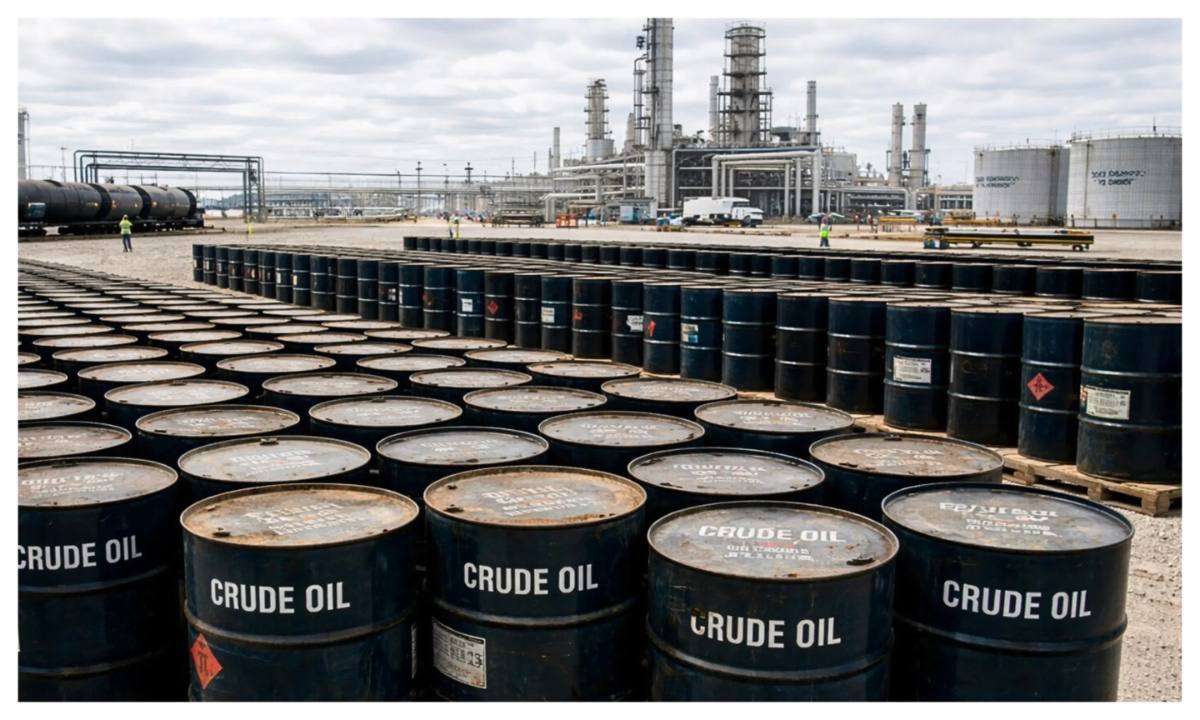
Japanese oil refiners are increasingly sourcing crude from Nigeria as supply disruptions linked to the ongoing Iran war continue to reshape global energy flows. The shift highlights both Nigeria’s growing relevance in the international oil market and the immediate challenges countries like Japan face in reducing dependence on Middle Eastern crude.
According to data from the Petroleum Association of Japan, refinery utilization in the country remained subdued, operating at 67.8% of total capacity for the week ending April 11. This figure is largely unchanged from the previous week and significantly lower than the over 80% levels recorded before the conflict escalated in late February.
Japan has long relied heavily on Middle Eastern oil, which typically accounts for about 95% of its crude imports. However, disruptions to shipments through the strategically vital Strait of Hormuz have forced refiners to urgently seek alternative sources. In response, the country has tapped into its national oil reserves and secured replacement supplies for more than half of the volumes it imported through the region last year.
Nigeria has emerged as a key beneficiary of this shift, alongside other oil-producing nations such as Malaysia, Azerbaijan, Brazil, and Angola. However, the transition is not without its complications. Japanese refineries are specifically designed to process medium-sour crude, the type commonly sourced from the Middle East. Adjusting operations to accommodate different crude grades requires careful blending and technical adjustments.
Energy analysts note that while Japan can temporarily increase its intake of non-Middle Eastern crude to between 30% and 50%, a complete replacement remains unlikely in the short term. The structural design of refining facilities and the complexities of global oil logistics make such a transition difficult to sustain.
To adapt, refiners are blending Middle Eastern oil with lighter, sweeter grades from regions like West Africa and the United States, as well as medium-grade crudes from the Caspian and parts of Latin America. This shift in crude composition is expected to influence output, potentially increasing the production of gasoline and naphtha while reducing diesel and jet fuel yields.
As global energy markets continue to adjust to geopolitical tensions, Nigeria’s role as an alternative supplier is becoming more prominent. For Japan, the current situation underscores the delicate balance between energy security, infrastructure limitations, and the realities of an interconnected oil market.
Discover more from Scoop Hub
Subscribe to get the latest posts sent to your email.