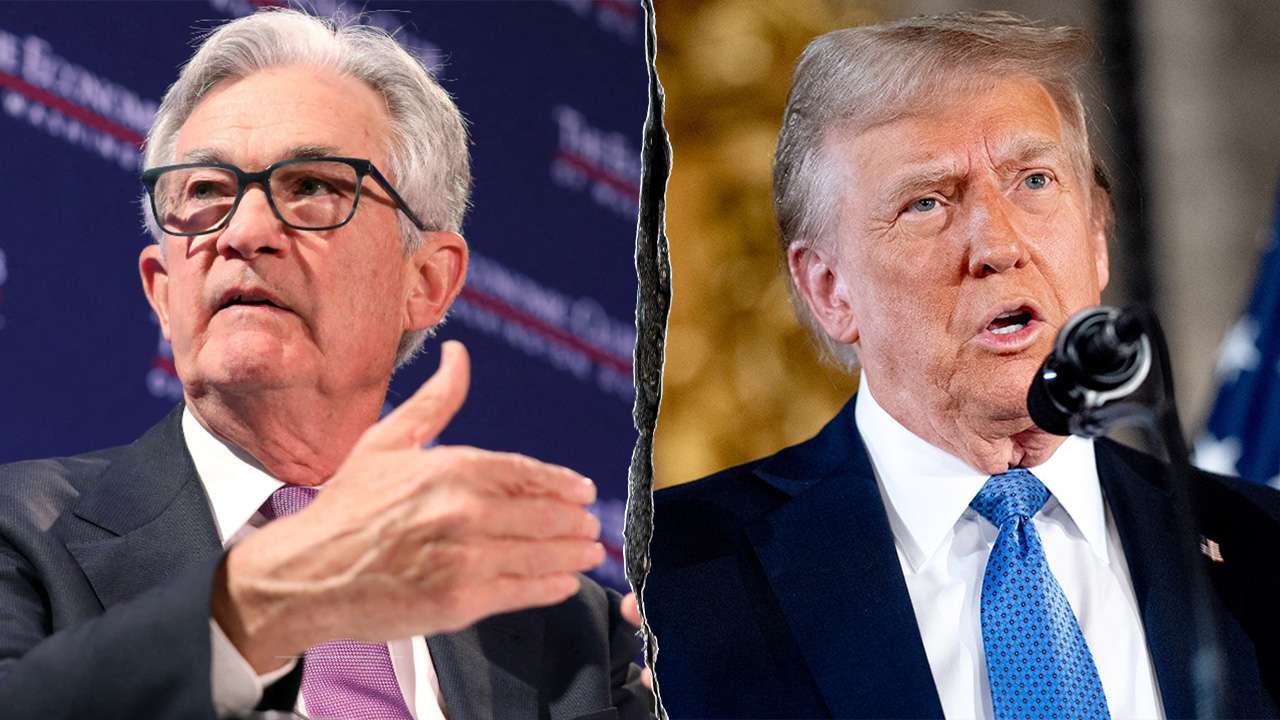
Tensions between the White House and the U.S. central bank have escalated, as Donald Trump signaled he could move to remove Jerome Powell if the current Federal Reserve chair does not step aside following the appointment of a successor.
Speaking on Wednesday, Trump stated that Powell would have to be dismissed if he remains in office after a new chair is installed. Powell’s current term is set to expire on May 15, but procedural complexities could allow him to temporarily continue in the role.
The uncertainty stems from the pending confirmation of Trump’s nominee, Kevin Warsh. Warsh has yet to receive approval from the Senate, leaving open the possibility that Powell could serve as chair on an interim basis, often referred to as “pro tempore,” as outlined in Federal Reserve regulations.
Powell himself acknowledged this scenario during a press briefing in March, explaining that he would remain in position if a successor is not confirmed in time. According to him, this approach follows established legal and institutional practices that have been used in the past to ensure continuity at the central bank.
The confirmation process, however, faces fresh hurdles. The Senate Banking Committee has scheduled a hearing for Warsh, but Republican Senator Thom Tillis has indicated he will withhold support until the conclusion of a Department of Justice investigation involving Powell. This development adds another layer of complexity to an already delicate transition.
Trump’s criticism of Powell is not new. The president has repeatedly expressed dissatisfaction with the Federal Reserve’s monetary policy, particularly its reluctance to cut interest rates more aggressively. In recent remarks, he also pointed to the central bank’s multi-billion-dollar renovation project at its Washington, D.C. headquarters as a concern, suggesting it could become a basis for further scrutiny.
The investigation into the renovation is reportedly being led by Jeanine Pirro, adding to the political and legal pressure surrounding Powell’s leadership.
As the May deadline approaches, the situation underscores a rare and high-stakes standoff between the executive branch and the Federal Reserve. With leadership continuity, Senate approval, and institutional independence all in play, the outcome could have significant implications for U.S. economic policy and market stability.
Discover more from Scoop Hub
Subscribe to get the latest posts sent to your email.