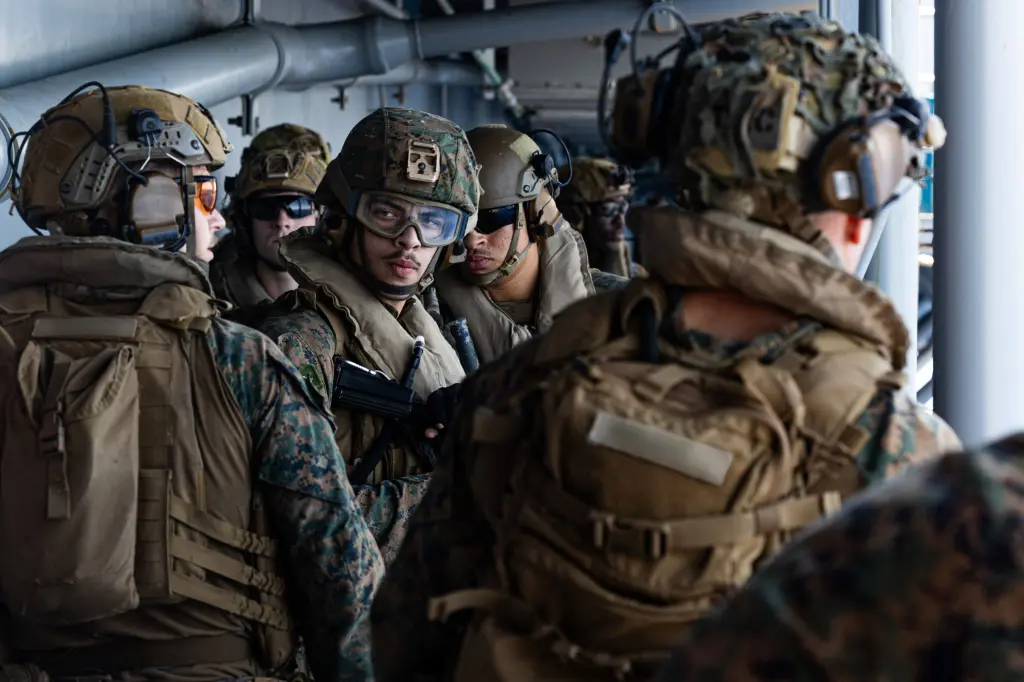
The United States is reportedly preparing to send thousands of additional troops to the Middle East in the coming days, according to a report by The Washington Post. While the exact number of personnel remains unclear, the move signals a potential escalation in Washington’s strategy toward Iran, even as Donald Trump maintains that the conflict may be nearing its end.
So far, no official confirmation has been issued by U.S. authorities, leaving room for speculation about the scope and timing of the deployment. However, the reported plan appears to align with broader efforts by Washington to increase pressure on Tehran and push for a resolution that meets American terms.
Speaking in a recent interview, Trump suggested that Iran is eager to reach a deal to bring the conflict to a close. He emphasized that the situation remains fluid, hinting at both optimism and uncertainty about how events may unfold. According to him, the coming days could prove decisive, describing them as potentially “amazing” while acknowledging that outcomes remain unpredictable.
At the same time, developments on the ground indicate that Iran is exploring ways to counter U.S. pressure. Reports from Mehr News Agency suggest that Tehran is considering alternative shipping routes through ports outside its southern region. This strategy would aim to bypass restrictions linked to the ongoing U.S. blockade around the strategically critical Strait of Hormuz, a vital corridor for global oil transportation.
The U.S. military, meanwhile, has asserted dominance in the region’s waters since the blockade began earlier this week, claiming what it describes as “maritime superiority” in the Middle East. This assertion underscores the broader geopolitical stakes, as control of key waterways remains central to both economic stability and military strategy in the region.
As tensions continue to rise, the situation reflects a delicate balance between diplomacy and military positioning. With both sides signaling determination while leaving the door open for negotiations, the next few days could prove critical in shaping the trajectory of the conflict and its global implications.
Discover more from Scoop Hub
Subscribe to get the latest posts sent to your email.