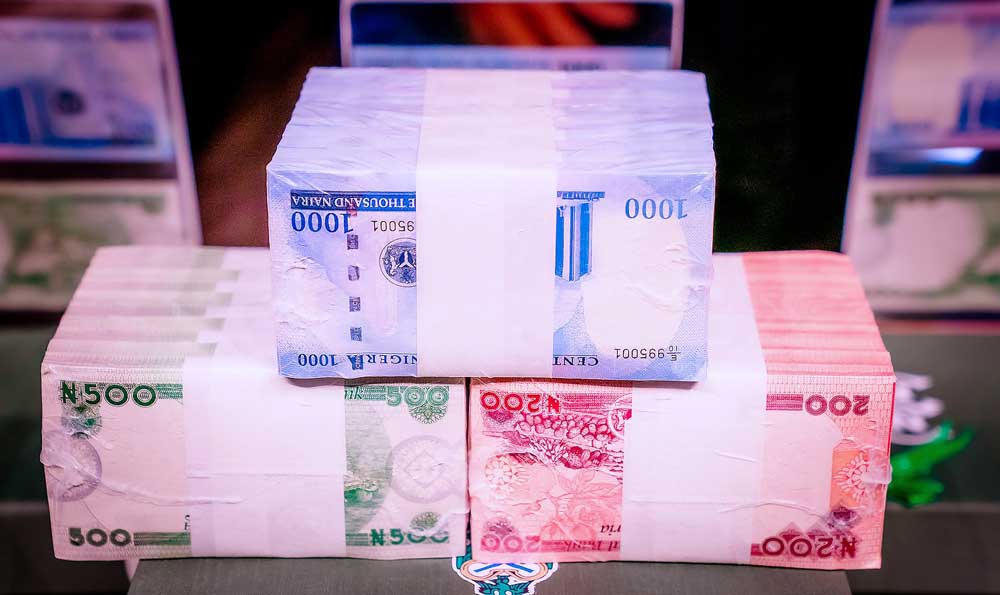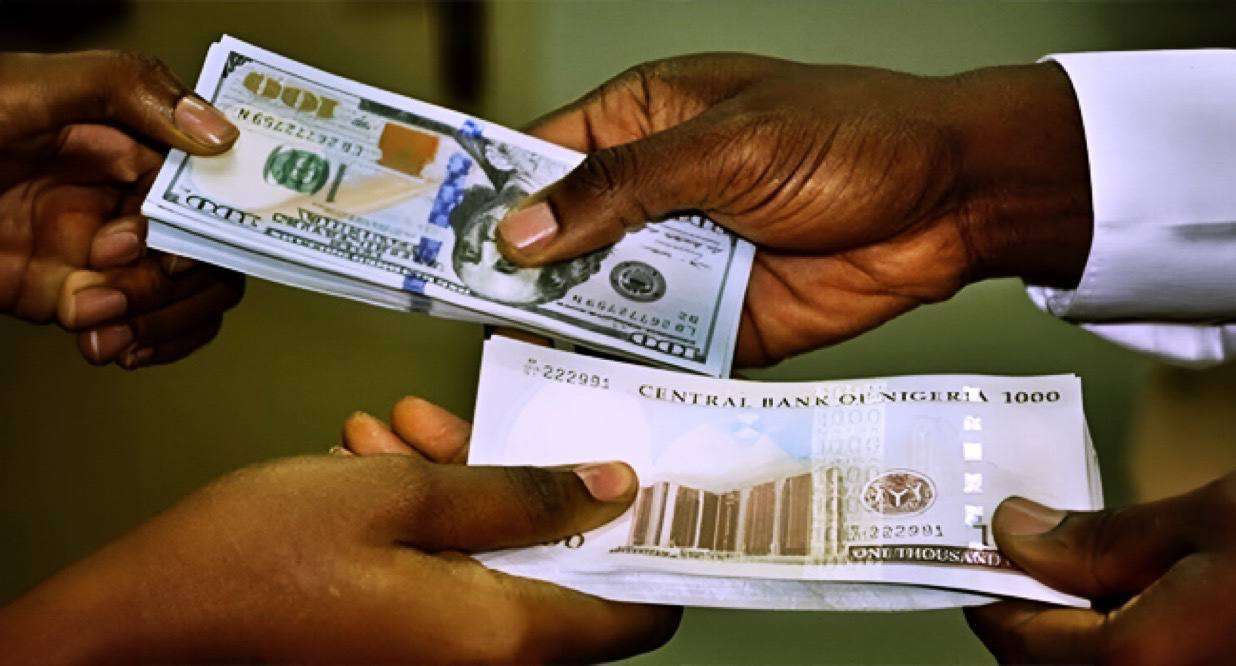
Nigeria’s currency recorded a notable gain at the official foreign exchange market on Tuesday, appreciating to N1,348 against the U.S. dollar. The latest movement reflects a shift in global currency dynamics, as the dollar continues to weaken across international markets.
Data published by the Central Bank of Nigeria shows that the naira’s appreciation comes at a time when the U.S. dollar index has slipped to a six-week low, signaling reduced strength in the world’s dominant reserve currency. The dollar index dropped to 98.109, reinforcing a broader trend of softness that has influenced several emerging market currencies, including Nigeria’s.
The improvement in the naira’s value is also being linked to renewed optimism in the global geopolitical landscape. Market sentiment has been buoyed by expectations of possible diplomatic engagement between the United States and Iran, easing tensions and reducing investor anxiety. As global risk concerns begin to cool, currencies like the naira are seeing short-term support.
However, beneath the surface of this positive movement lies a more complex economic picture. Nigeria’s external reserves continue to decline, raising questions about the sustainability of the currency’s recent gains. As of April 13, 2026, the country’s reserves stood at $48.72 billion, down from $49.18 billion at the beginning of the month.
This contrast highlights the delicate balance within Nigeria’s foreign exchange environment. While global factors such as a weaker dollar can provide temporary relief, underlying domestic indicators—like falling reserves—remain critical to long-term currency stability.
For now, the naira’s appreciation offers a moment of optimism for businesses and consumers navigating foreign exchange pressures. Yet, analysts will be watching closely to see whether this upward trend can be sustained in the face of ongoing economic challenges and shifting global conditions.
Discover more from Scoop Hub
Subscribe to get the latest posts sent to your email.