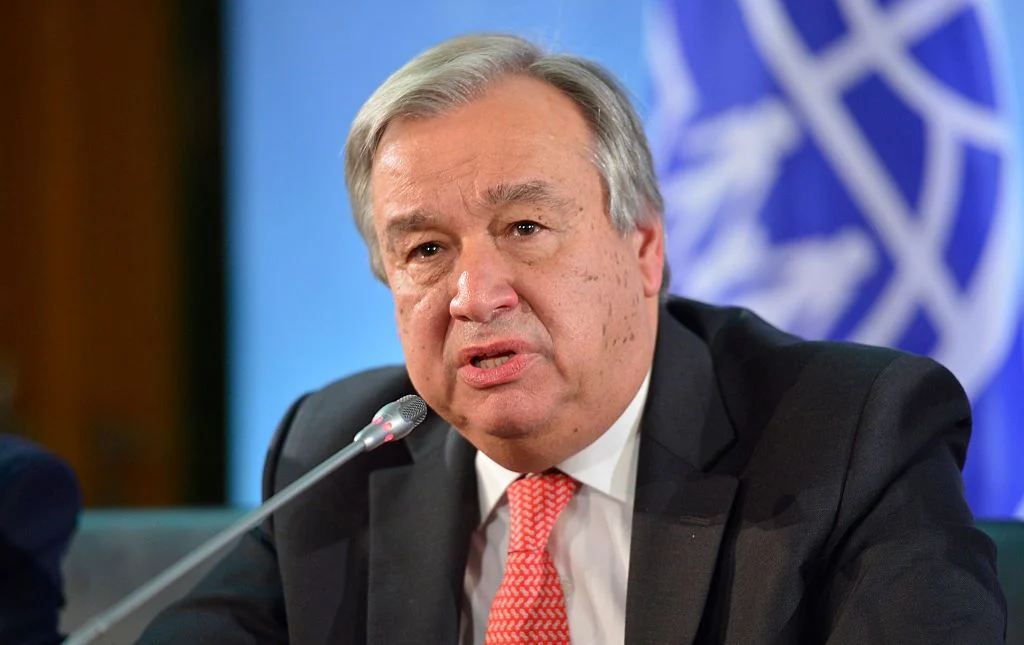
As tensions between India and Pakistan escalate to their highest point in years, United Nations Secretary-General Antonio Guterres issued a heartfelt call for maximum restraint, warning that military confrontation is “no solution” and urging both nuclear-armed neighbors to step back from the brink.
In a brief but strongly worded statement on Monday, Guterres expressed deep concern over the rising hostilities following the April 22 terror attack in Pahalgam, which left 26 people dead, most of them tourists. The attack has triggered a series of retaliatory actions by India and increased the risk of conflict in an already volatile region.

“Tensions between India and Pakistan are at their highest in years,” Guterres said. “It pains me to see relations reaching a boiling point. Make no mistake: A military solution is no solution.”
The Secretary-General offered his “good offices” to help both countries pursue peace, adding that the United Nations stands ready to support any effort aimed at de-escalation and diplomacy.
READ ALSO: Israel Strikes Yemen’s Hodeidah Port After Houthi Missile Lands Near Tel Aviv Airport
Guterres’ remarks came just ahead of closed-door consultations at the UN Security Council, requested by Pakistan to address the escalating situation. The meeting is scheduled for May 5, under the Greek presidency of the Council for the month.

In response to the devastating terror attack, India announced a series of punitive measures against Pakistan, including: Suspension of the Indus Waters Treaty, Closure of the Attari land border crossing and Downgrading of diplomatic ties.
READ ALSO: Cash to Leave: U.S. Offers Undocumented Migrants $1,000 to Exit Voluntarily
Prime Minister Narendra Modi vowed “firm and decisive” action, stating that the armed forces have full operational freedom to determine the timing, target, and method of retaliation.
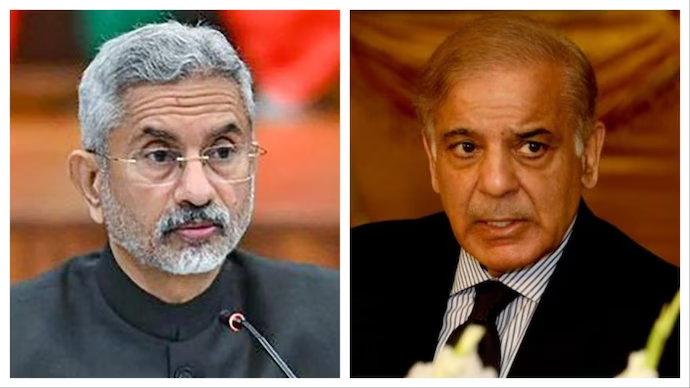
External Affairs Minister S. Jaishankar has since engaged with all members of the UN Security Council—except China and Pakistan—to highlight India’s stance that those responsible for the attack, along with their backers and planners, must be held accountable.

Pakistan, currently serving as a non-permanent member of the Security Council, sought the emergency session citing what it called a “real threat to regional and international peace and security.”
“We have the right to convene a meeting when we feel appropriate,” Pakistan’s UN Ambassador Asim Iftikhar Ahmad said during a press conference last Friday.
Ahmad also met with Guterres earlier, briefing him on what Pakistan describes as a deteriorating security situation in South Asia. Guterres, in turn, held a separate conversation with Pakistani Prime Minister Shehbaz Sharif last week.
The UN chief acknowledged the “raw emotions” triggered by the attack in Pahalgam and offered condolences to the victims’ families. He also emphasized the importance of justice but urged that it must come through credible and lawful means.
“Targeting civilians is unacceptable — and those responsible must be brought to justice,” he stated.
“But now is the time to avoid a military confrontation that could easily spiral out of control.” As India and Pakistan stare down yet another crisis, the world watches closely. Guterres’ message is clear: only diplomacy and dialogue can pave the way to long-term peace.
Discover more from Scoop Hub
Subscribe to get the latest posts sent to your email.