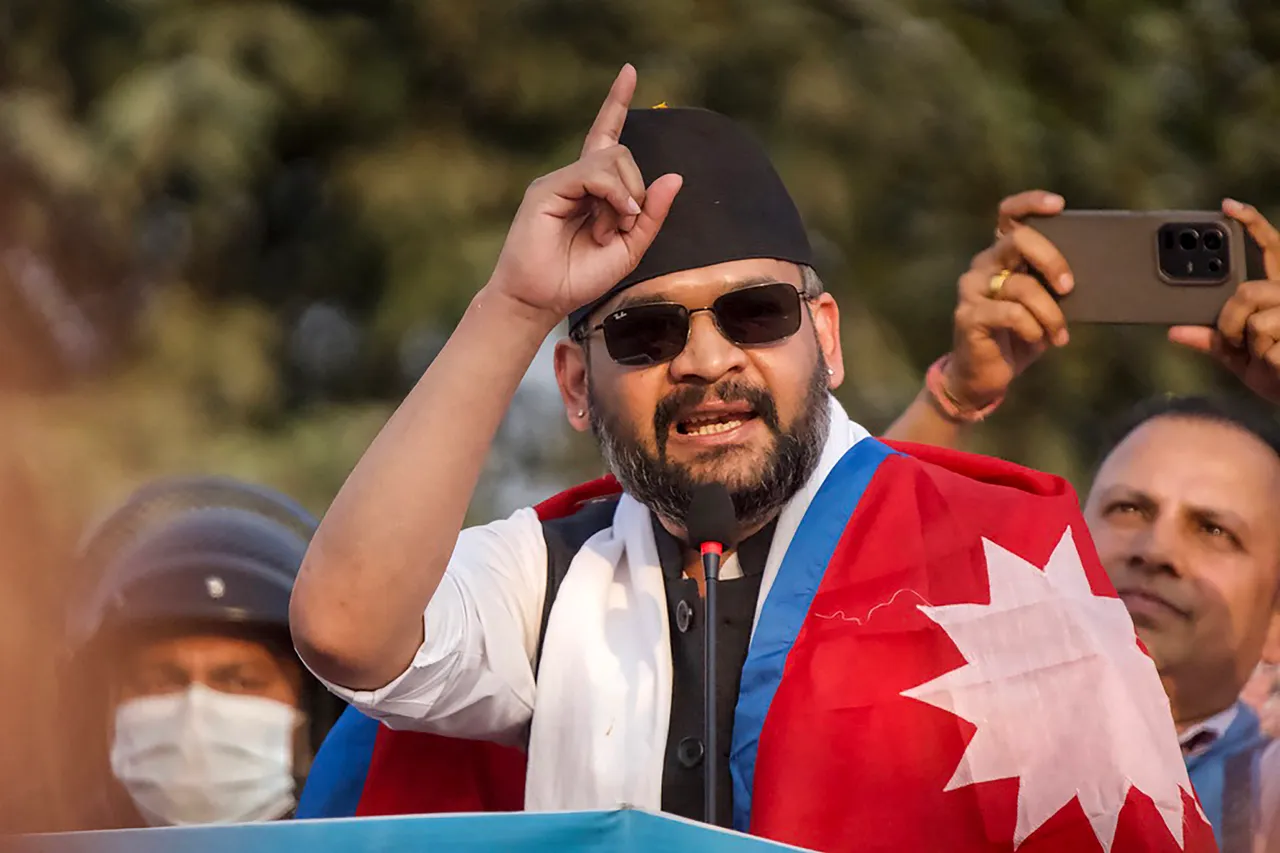
Nepal is on the verge of a major political shift as Balendra Shah prepares to become the country’s next prime minister following a sweeping election victory by his party.
Shah, popularly known as Balen, led the Rastriya Swatantra Party (RSP) to an unprecedented landslide win in the country’s latest national election. The results mark a dramatic turning point in Nepalese politics, signaling widespread public frustration with the traditional political establishment and strong support for a younger generation of leaders promising reform.
Party officials described the outcome as a powerful message from voters seeking change. According to senior RSP leader Ramesh Paudyal, the victory reflects the aspirations of young people across the country who had been calling for political transformation.
The election was the first since a wave of youth-led protests that shook the nation last year. Demonstrations erupted after the government imposed a controversial ban on social media, but the protests quickly expanded into a broader movement fueled by frustration over corruption, unemployment, and limited opportunities for young citizens.
The unrest escalated into widespread clashes that left dozens dead and triggered political upheaval. The crisis ultimately forced the resignation of the government led by KP Sharma Oli, a veteran leader who had previously served four terms as prime minister.
Against this backdrop, Shah’s campaign resonated strongly with voters, especially younger Nepalis eager for a fresh political direction. Despite being relatively new to politics, the 35-year-old candidate emerged as the frontrunner throughout the campaign.
Before entering politics, Shah built his reputation as a rapper whose music openly criticized poverty, corruption, and social inequality in Nepal. His lyrics and public persona helped him connect with a generation that felt increasingly disconnected from the country’s traditional political leadership.
In 2022, Shah made his first major move into public service by running as an independent candidate for mayor of Kathmandu. His victory marked a major upset and quickly elevated him into the national spotlight.
As mayor, Shah launched initiatives aimed at improving urban management, including the removal of unauthorized buildings and efforts to tackle waste management issues in the capital. His visible actions and reform-driven approach helped strengthen his image as a leader willing to challenge long-standing problems.
The youth uprising in September further propelled him into national prominence, turning him into a symbol of political change for many voters. As protests spread across the country and public anger toward the old political guard intensified, Shah and his party positioned themselves as the face of a new political movement.
The latest election results reflect that shift. Veteran parties that have dominated Nepalese politics for decades suffered significant losses, while Shah’s relatively new party secured an outright majority—an unusual outcome in Nepal’s often fragmented political landscape.
With the RSP now holding a strong mandate, Shah is expected to form a government focused on tackling corruption, improving governance, and creating economic opportunities for the country’s younger population.
His rise from rapper to mayor and now potentially prime minister represents one of the most remarkable political transformations in recent Nepalese history, and many observers see it as a sign that a new generation of leadership may be reshaping the nation’s political future.
Discover more from Scoop Hub
Subscribe to get the latest posts sent to your email.