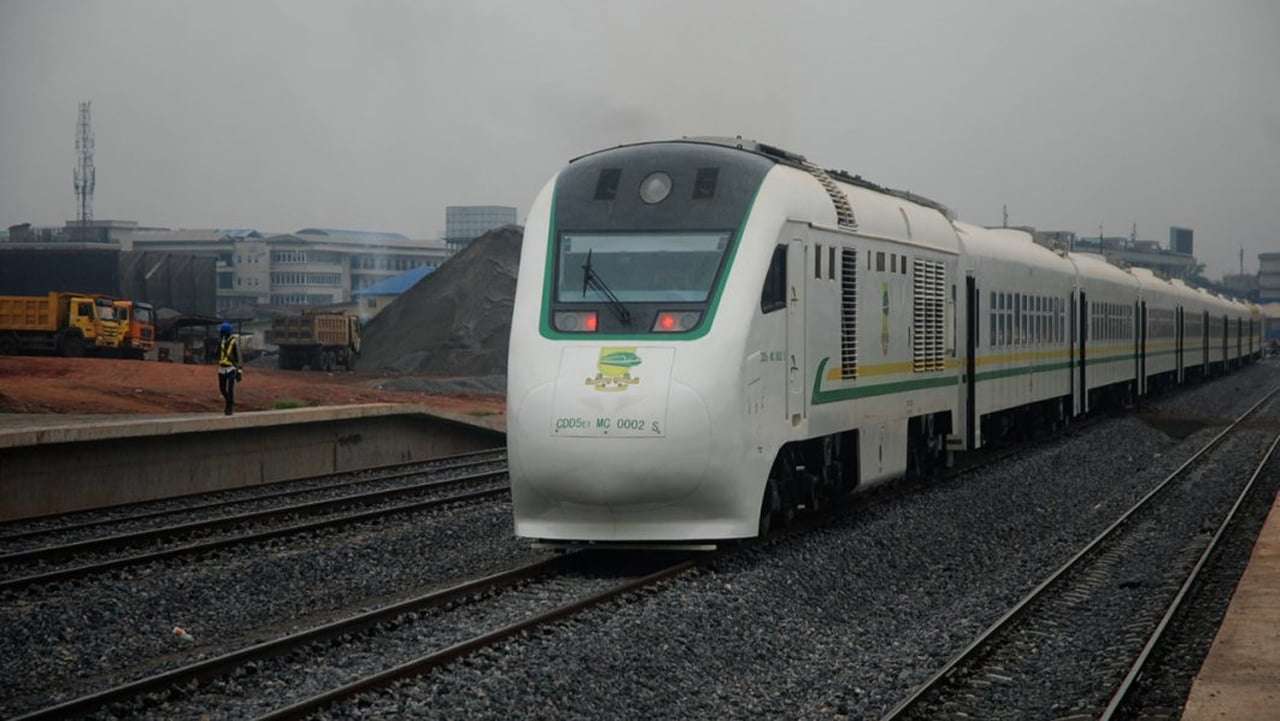
Nigerian Railway Corporation has announced plans to introduce electric-powered trains on key rail corridors as part of a major push to modernize the country’s railway network and improve efficiency in rail transportation.
The initiative was disclosed by the corporation’s Managing Director, Kayode Opeifa, during an appearance on the popular television programme Sunrise Daily on Channels Television.
According to Opeifa, the transition to electric trains will initially focus on the rail corridors in Lagos and Warri. These areas were selected because of their access to natural gas resources, which can help provide a stable power supply for the electric rail system.
He explained that electrifying Nigeria’s rail network would significantly lower operating costs while improving service delivery and efficiency. Electric trains are also expected to align the country’s railway system with modern global standards, making rail travel faster, more reliable, and more environmentally sustainable.
The electrification plan forms part of a broader rail modernization strategy that began in 2015. Under this programme, Nigeria has been gradually replacing its ageing narrow-gauge tracks with modern standard-gauge railway lines designed to handle higher speeds and larger passenger volumes.
Several major projects have already been completed under this initiative. These include the Abuja–Kaduna Railway, the Warri–Itakpe Railway, the Lagos–Ibadan Railway, and the Abuja Rail Mass Transit.
Work is also progressing on the ambitious Port Harcourt–Maiduguri Railway, a project designed to connect major cities across southern and northern Nigeria while boosting trade and mobility.
Beyond infrastructure development, Opeifa stressed the importance of protecting rail assets and ensuring the safety of mobility corridors across the country. He called on state governments to work closely with the Railway Police, a specialized security unit that currently operates in 26 states, to safeguard railway infrastructure.
He highlighted recent examples of inter-agency collaboration, including the support provided by railway security personnel during the cleanup of the Oshodi Transport Interchange.
The NRC also sees growing opportunities for state governments to participate in rail development. Recent constitutional reforms moved rail transport from the Exclusive Legislative List to the Concurrent List, allowing states to invest in and develop rail projects alongside the federal government.
As a result, states such as Lagos State, Kano State, Ogun State, and Plateau State are already working on rail initiatives that could eventually connect with federal railway corridors. To coordinate these efforts, the NRC has developed a national rail map that outlines potential integration points across the country.
Addressing operational challenges, Opeifa also spoke about measures introduced to tackle ticket racketeering on busy routes. The railway corporation has implemented a double verification system where tickets are checked both at the waiting area and again during boarding to prevent fraudulent practices.
He also reassured passengers about the safety of rail services, particularly on the busy Abuja–Kaduna route. Security monitoring remains strong along the corridor, and the number of daily train trips has been increased to three in order to accommodate growing passenger demand.
With plans for electrification and ongoing infrastructure expansion, Nigeria’s railway sector appears to be entering a new phase aimed at making rail transport a more efficient and reliable option for passengers and businesses across the country.
Discover more from Scoop Hub
Subscribe to get the latest posts sent to your email.