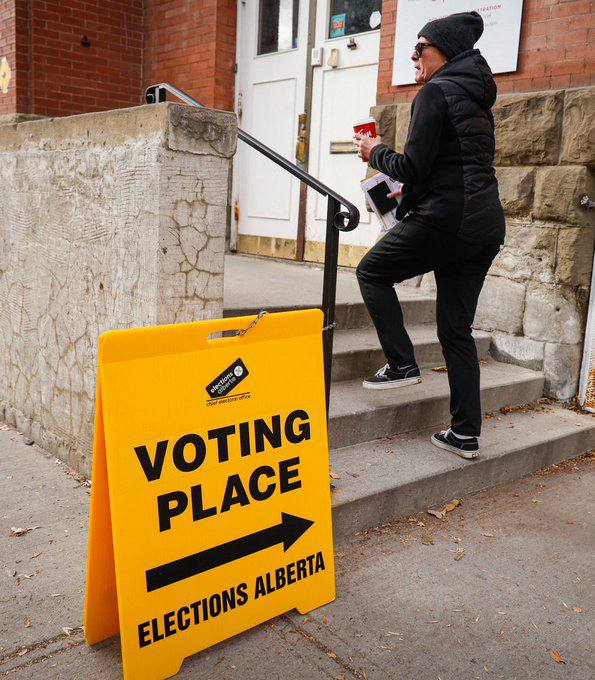
Alberta voters have overwhelmingly rejected a move toward independence from Canada, with approximately 76% supporting the province’s continued place in the Canadian federation in a landmark vote held on October 19, 2026.
The result delivers a significant setback to Alberta’s separatist movement and a political victory for Canadian Prime Minister Mark Carney, who urged residents to preserve national unity amid growing tensions over trade, energy policy and the province’s relationship with the federal government.
According to preliminary results reported by Reuters, about 76% of voters supported remaining in Canada, while approximately 24% backed beginning the legal process for a future referendum on separation.
Despite widespread descriptions of the vote as an independence referendum, voters were not deciding whether Alberta should immediately become an independent country.
Instead, the ballot asked whether the province should remain part of Canada or begin the constitutional process required to hold a future binding referendum on separation.
By choosing to remain in Canada, voters rejected the proposed next step toward independence. The outcome means Alberta will continue under its existing constitutional status as a Canadian province.
The distinction is important because even a vote in favour of pursuing separation would not automatically have made Alberta independent. Any eventual separation would involve complex constitutional and political negotiations.
Alberta is one of Canada’s most important energy-producing provinces, with a powerful oil and gas industry and a significant contribution to the country’s economy.
For years, some residents have argued that the province is unfairly treated by the federal government, particularly over energy development, environmental regulations, taxation and the distribution of public revenue.
Supporters of independence believe Alberta would have greater control over its natural resources, economic policies and public finances if it were no longer part of Canada.
However, opponents have warned that separation could create economic uncertainty, disrupt trade and investment, and raise difficult questions about currency, public debt, Indigenous treaty rights and relations with the rest of the country. These competing concerns helped turn the vote into a major political debate over Alberta’s future.
Canadian Prime Minister Mark Carney welcomed the outcome, describing it as a clear choice for national unity. Carney had campaigned against the separation process, arguing that Alberta and the rest of Canada would be stronger by working together.
The result comes amid broader tensions involving the United States, including President Donald Trump’s trade policies and repeated comments about Canada becoming part of the United States.
Carney has also sought to improve relations with Alberta through energy-sector initiatives, including plans for a major oil pipeline, and by addressing federal policies that have angered the province’s energy industry. The vote gives his government an opportunity to strengthen its relationship with Alberta, although disagreements over federal authority and natural resource development are unlikely to disappear overnight.
Although the result represents a decisive defeat for the immediate push toward a future independence referendum, it does not necessarily mean the separatist movement is over.
Supporters of independence have argued that their campaign has brought greater attention to the province’s longstanding grievances with Ottawa. Some separatist leaders have also indicated that they intend to continue advocating for greater provincial autonomy or eventual independence.
Meanwhile, voters also considered other non-binding questions concerning provincial powers and public policy. Preliminary results indicated support for several measures intended to increase Alberta’s control over matters such as immigration and provincial services.
This suggests that while many Albertans prefer to remain Canadian, concerns about the province’s relationship with the federal government remain politically significant.
For now, Alberta remains part of Canada, and the vote has not triggered a process toward separation. The provincial and federal governments will still need to address disagreements over energy development, immigration, environmental regulations and the balance of power between provincial and federal authorities.
The result may reduce immediate pressure for an independence referendum, but future political developments could revive the debate.
Alberta’s decision to remain in Canada marks an important moment in the country’s ongoing debate over national unity and regional autonomy. With roughly three-quarters of voters rejecting the move toward a future independence referendum, the result sends a clear message that most participating voters prefer Alberta to remain within the Canadian federation.
However, the underlying frustrations that fuelled the separatist movement remain unresolved. The challenge for Alberta’s leaders and the federal government will be to address those concerns while maintaining the unity the vote has reaffirmed.
Discover more from Scoop Hub
Subscribe to get the latest posts sent to your email.