A remote town in Norway’s Arctic region is facing a drinking water crisis after thawing permafrost contributed to heavy metal contamination in its main water supply, raising fresh concerns about the impact of climate change on communities in the far north.
Residents of Longyearbyen, a town in Norway’s Svalbard archipelago, have been advised not to drink tap water following the discovery of unsafe levels of heavy metals in the local water supply.
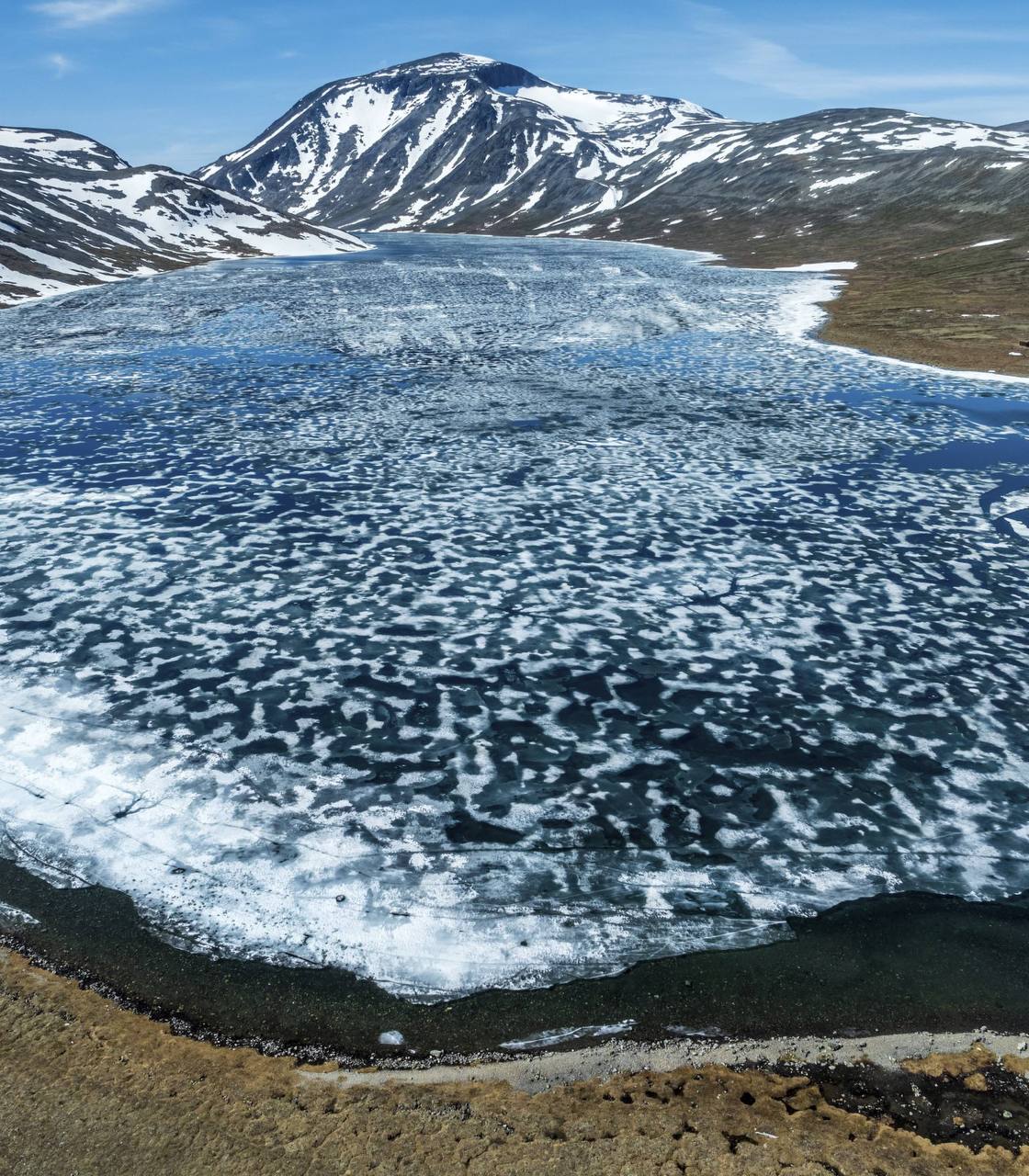
The contamination has been linked to rising temperatures and the gradual thawing of permafrost, the layer of ground that normally remains frozen for at least two consecutive years. As the frozen ground thaws, it exposes underlying rocks and minerals that can release potentially harmful substances into nearby water sources.
The situation has placed pressure on local authorities to secure a safe and reliable supply of drinking water for the town’s approximately 2,500 residents. Reports published on October 19 and 20, 2026, indicate that restrictions on drinking tap water remain in place.
Longyearbyen relies on Isdammen, a dammed freshwater lake, as its main source of drinking water. However, changing environmental conditions are affecting the quality of this important resource.
As temperatures rise and permafrost melts, previously frozen ground exposes bedrock containing pyrite, a mineral also known as fool’s gold. When pyrite comes into contact with water and oxygen, it undergoes a chemical reaction that can increase acidity and release metals into the surrounding environment.
This process can allow substances such as manganese, nickel and sulphates to enter waterways and contaminate water supplies. The problem is particularly concerning because Longyearbyen depends heavily on a limited water source, leaving the community vulnerable when water quality deteriorates.
Water testing previously revealed manganese concentrations as high as 25 times the recommended safety limit, prompting authorities to introduce emergency measures. Although subsequent tests indicated that manganese levels had declined, elevated sulphate and nickel levels have continued to raise concerns about the safety of the water.
Exposure to excessive concentrations of certain metals can pose health risks, particularly for vulnerable groups such as infants and young children. The health effects depend on the substance involved, its concentration and the duration of exposure. Authorities have therefore continued to advise residents against drinking untreated tap water while efforts to address the contamination proceed.
To help residents cope with the situation, local authorities and businesses have arranged access to purified drinking water. Svalbard Brewery has been supplying treated water produced through reverse osmosis, a process that uses a specialised membrane to remove many dissolved contaminants.
Officials are also considering longer-term solutions, including improved filtration systems and desalination technology, to make the water supply more resilient.
However, these measures could require significant investment, and experts say more research is needed to understand how thawing permafrost will affect water quality in the coming years.
Longyearbyen is located in one of the world’s fastest-warming regions. Temperatures in parts of the Arctic are rising much faster than the global average, accelerating the thawing of permafrost and changing the way water moves through the landscape.
Scientists warn that these changes can have consequences beyond rising temperatures and melting ice. They can also affect water quality, infrastructure and the availability of essential resources.
The situation in Longyearbyen highlights how climate change can threaten communities in unexpected ways. Even places with established water infrastructure can face serious challenges when environmental conditions change.
Researchers are now studying the town’s water source to better understand the contamination and identify measures that could protect the supply in the future.
Discover more from Scoop Hub
Subscribe to get the latest posts sent to your email.