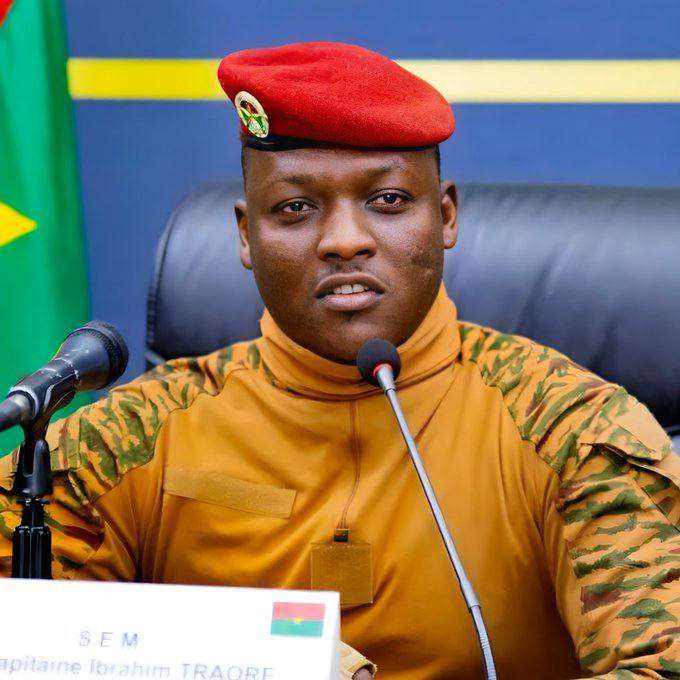
Burkina Faso has moved to reinstate the death penalty for serious offences under a new penal code approved by the country’s Council of Ministers, marking a significant shift in its criminal justice system under military leader Captain Ibrahim Traoré.
The government of Burkina Faso, led by President Ibrahim Traoré, has approved a draft penal code that restores capital punishment for certain serious crimes, including high treason, terrorism and espionage.
The decision was announced on December 4, 2025, following a meeting of the Council of Ministers chaired by Traoré. According to the government, the reform forms part of broader efforts to reshape the country’s justice system and strengthen its response to serious crimes.
Under the proposed penal code, the death penalty would apply to several offences considered particularly serious by the authorities.
These include:
- High treason: Crimes involving betrayal of the state.
- Terrorism: Acts classified as terrorism under the country’s criminal law.
- Espionage: Activities involving the unlawful gathering or disclosure of sensitive state information.
The government says the revised penal code is intended to address the country’s security challenges and establish a justice system that reflects its national priorities.
However, the reinstatement has raised broader questions about criminal justice, human rights and the future of capital punishment in West Africa.
Burkina Faso abolished the death penalty in its ordinary criminal law in 2018, during the administration of former President Roch Marc Christian Kaboré. The country’s last recorded execution took place in 1988, according to published reports.
The proposed reversal therefore represents a major change in the country’s approach to the most severe criminal punishments. International human rights organisations have long opposed capital punishment, arguing that it carries the risk of irreversible miscarriages of justice and conflicts with the right to life.
The death penalty proposal is part of a broader package of legal changes introduced under Traoré’s administration.
The revised penal code also provides for community service as a principal punishment and increases minimum fines for various offences. The government has additionally outlined tougher penalties for certain economic crimes, including corruption and embezzlement.
Supporters of tougher criminal penalties may see the measures as a way to strengthen accountability and deter serious offences. Critics, however, are likely to scrutinise how the new provisions are implemented and whether defendants receive fair trials and adequate legal protections.
The key legal question is the status of the revised penal code and the steps required for it to become fully enforceable. The government’s announcement concerned the adoption of a draft law by the Council of Ministers, so it should not automatically be interpreted as confirmation that executions have resumed. Further legislative and implementation details are necessary to establish the precise legal position.
Discover more from Scoop Hub
Subscribe to get the latest posts sent to your email.