A Norwegian infrastructure company has revived plans for a major transatlantic internet cable that would connect Europe directly to Canada while bypassing the United States, as concerns grow over dependence on American digital infrastructure.
The proposed project, known as Leif Erikson, is being developed by Norway-based Bulk Infrastructure. The company is seeking a Canadian majority partner to help finance and build the cable system, which is expected to cost more than $620 million.
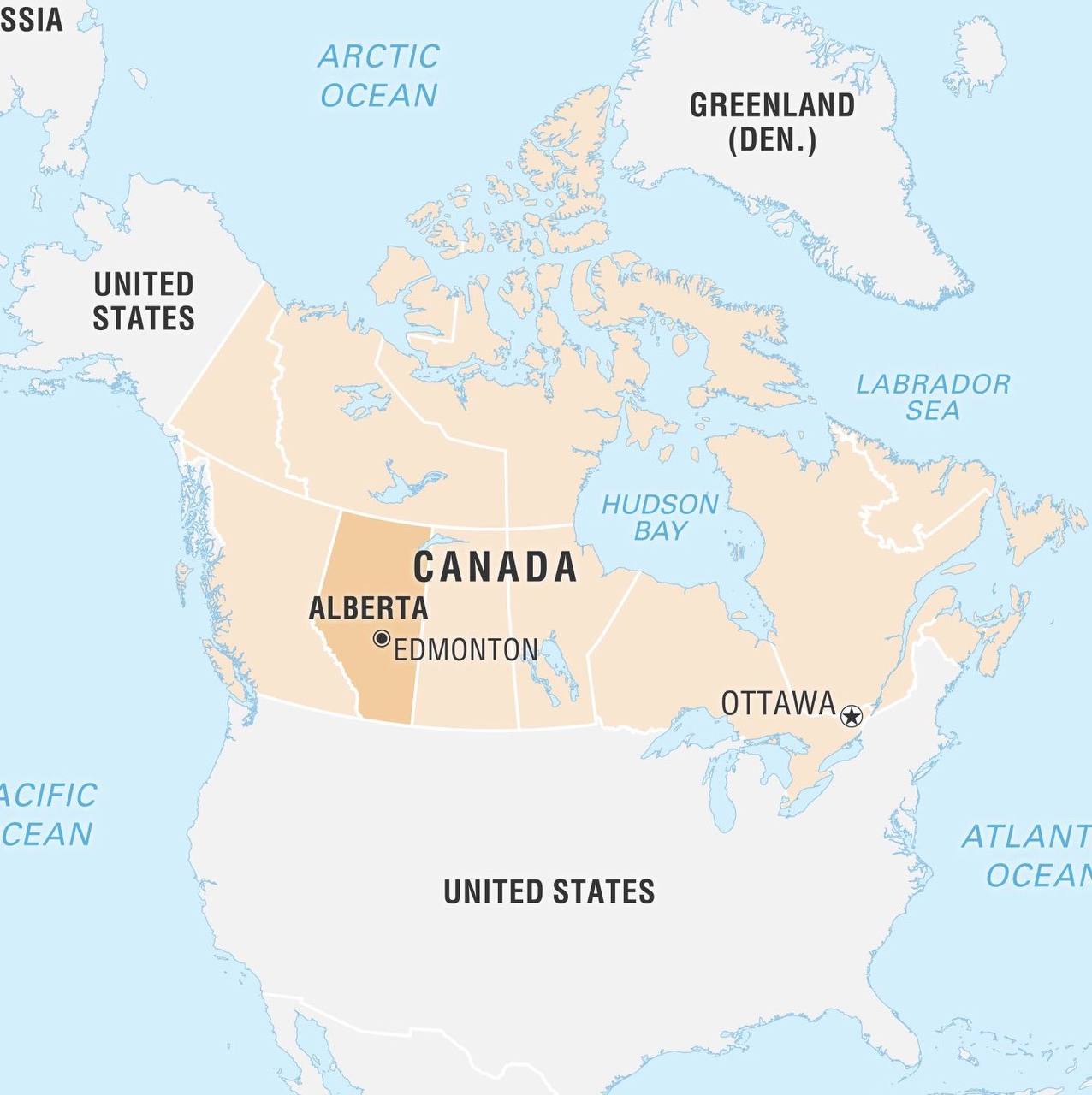
The route would cross the North Atlantic from southern Norway to Happy Valley-Goose Bay in Newfoundland and Labrador before continuing overland through Quebec to Montreal. The proposed connection would give Canada a more direct digital link to Europe without routing the cable through US territory.
The proposal comes amid growing tensions between Washington and Ottawa and renewed interest in strengthening Canada’s control over critical infrastructure.
Much of Canada’s international internet traffic relies on networks and connections that pass through the United States. While these links have long supported fast and reliable communications, dependence on a neighbouring country’s infrastructure can create strategic concerns around security, resilience and control over data routes.
Bulk Infrastructure’s co-founder, Peder Nærbø, has described the proposed connection as a Canadian sovereign cable system. The goal is to give Canada an additional direct route to Europe and reduce its reliance on American infrastructure. The project reflects a broader debate about digital sovereignty: whether countries should have greater control over the physical networks that carry their communications and data.
However, bypassing US territory would not automatically eliminate every form of dependence on American technology companies or cloud services. It would primarily provide an alternative physical route for international data traffic.
The planned system would combine a submarine fibre-optic cable across the Atlantic with a long terrestrial connection through Canada. The subsea section would run from southern Norway to Happy Valley-Goose Bay, while the overland route would continue through Quebec to Montreal, linking the transatlantic connection to Canadian telecommunications infrastructure.
The system is intended to support high-capacity data transmission for telecommunications operators, artificial intelligence infrastructure and large cloud-computing companies.
Bulk has also promoted the project’s use of renewable energy in line with its wider digital infrastructure strategy in the Nordic region. At an estimated cost exceeding $620 million, the project would require substantial investment, technical planning and cooperation between public and private stakeholders.
Despite renewed attention, Leif Erikson remains a proposed infrastructure project rather than a completed or fully funded cable system. Bulk is seeking a Canadian majority partner and additional financing. The route also requires further planning, surveys and approvals before construction can begin.
The terrestrial section presents its own challenges, including land access, environmental considerations and engagement with Indigenous communities along the proposed route.
The project has a history stretching back several years. Bulk and cable-planning firm WFN Strategies announced a feasibility study in 2021, but the project did not progress to construction at that time. Renewed geopolitical interest has now helped bring it back into focus.
The proposal comes as Canada and European partners explore ways to strengthen digital connectivity and reduce vulnerabilities in international communications networks.
Submarine cables carry enormous volumes of global internet traffic, supporting everything from video calls and online banking to cloud computing and international business operations. Creating alternative routes can help improve resilience if existing connections are damaged, disrupted or affected by geopolitical tensions.
For Canada, a direct link to northern Europe could provide another option for transmitting data across the Atlantic. For Norway and other European partners, it could create a new connection to Canadian markets and digital infrastructure.
Still, the project’s commercial success will depend on securing investors, obtaining the necessary approvals and attracting customers willing to use the route.
Leif Erikson highlights how internet infrastructure is increasingly viewed as a strategic asset rather than simply a technical utility.
The proposal does not mean Canada is disconnecting from the United States, nor does it guarantee that all Canadian internet traffic will avoid American networks. Instead, it would add another physical route between Europe and Canada, giving network operators more options.
If completed, the cable could strengthen transatlantic connectivity and reduce Canada’s dependence on US-based routes for some international data traffic.
For now, the project remains an ambitious plan awaiting financing, approvals and construction commitments. Its progress will show whether concerns about digital sovereignty can translate into a major new infrastructure investment.
Discover more from Scoop Hub
Subscribe to get the latest posts sent to your email.