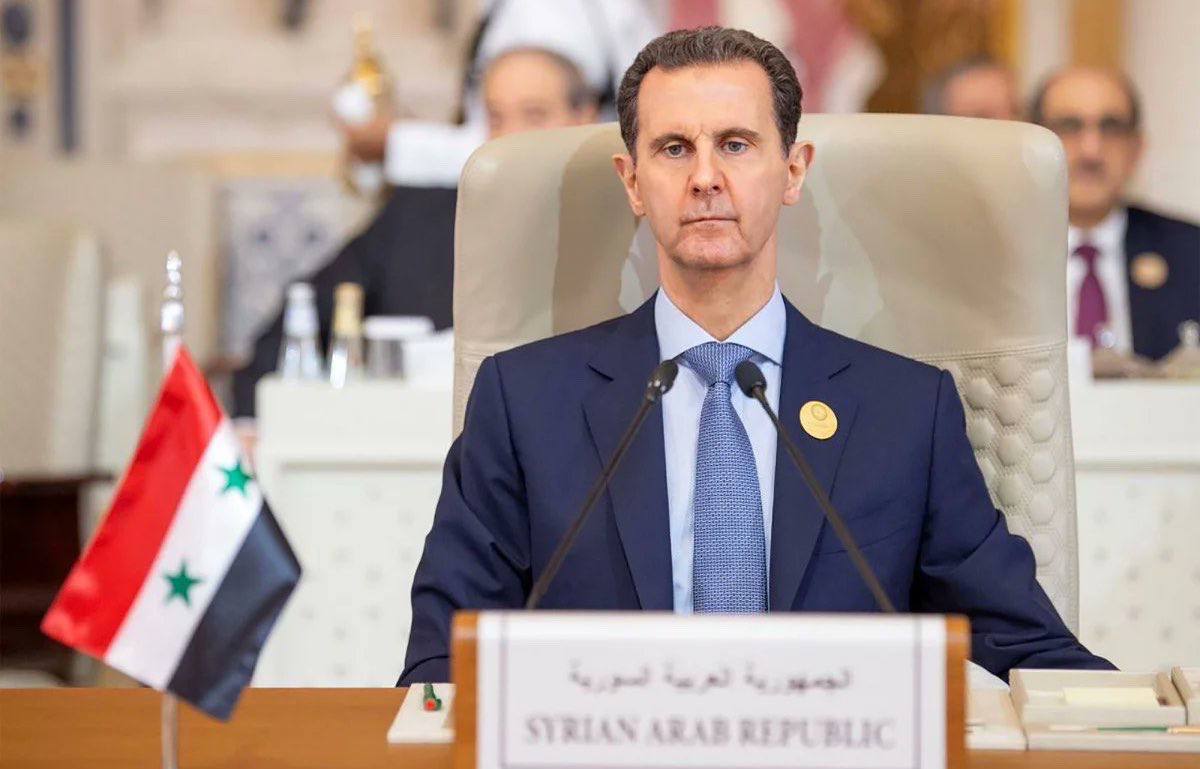
Russia has rejected any reconsideration of its decision to shelter former Syrian president Bashar al-Assad, despite demands from Syria’s new leadership for his return to face justice. Moscow says its decision to grant Assad political asylum is final, setting the stage for a diplomatic standoff between the two countries.
Russian Deputy Foreign Minister Georgy Borisenko reiterated Moscow’s position in remarks reported on October 14, 2026. He said Syrian authorities understood that Russia’s decision was irreversible. The statement comes after a Syrian court sentenced Assad to death in absentia in August 2026 over crimes committed during the country’s civil war. Assad remains in Russia, where he fled after his government was toppled in December 2024.
Russia was one of Assad’s most important international allies throughout Syria’s civil war, providing military support that helped keep his government in power for years. Following the collapse of his regime, Assad and his family fled to Russia, where President Vladimir Putin granted them asylum.
Syria’s new authorities have since sought Assad’s return, arguing that he should face accountability for abuses committed under his rule. However, Moscow has maintained that it will not reverse its decision to shelter the former president.
The refusal highlights the complicated relationship between Russia and Syria’s new leadership, which must balance demands for justice with the practical realities of maintaining diplomatic and economic ties with Moscow.
In August 2026, a Syrian court sentenced Assad to death in absentia over offences including murder, torture, arbitrary detention and crimes against humanity committed during the civil war. The ruling marked a significant development in Syria’s efforts to pursue accountability for alleged abuses under the former government.
However, because Assad is outside Syrian custody, the sentence presents major challenges for enforcement. Russia’s refusal to extradite him means Syrian authorities cannot easily bring him before a domestic court to serve the sentence. The case also raises questions about the practical limits of national judicial decisions when an accused person resides in a country unwilling to surrender them.
Assad’s future is only one part of the broader relationship between Moscow and Damascus.
Russia has strategic interests in Syria, including its military facilities at Hmeimim and Tartus on the Mediterranean coast. These installations have played important roles in Russian military operations and regional influence. Since Assad’s removal, Moscow has sought to negotiate arrangements that would allow it to maintain some military presence in the country.
Syrian President Ahmed al-Sharaa has also pursued negotiations with Russia, recognising that Syria continues to depend on Russian-made weapons and has longstanding economic and energy ties with Moscow.
These competing interests make the Assad extradition dispute particularly sensitive. Damascus wants accountability for the former president, while Moscow wants to preserve its strategic position in the region.
Russia’s latest statement suggests that an immediate extradition agreement is unlikely. Syria may continue pursuing diplomatic and legal avenues to secure Assad’s return, but any progress will depend heavily on Moscow’s willingness to reconsider its position.
The dispute could also influence negotiations over Russian military facilities, energy cooperation and other agreements between the two governments.
For Syria, the challenge is to pursue transitional justice while rebuilding state institutions after years of conflict. For Russia, the decision reflects the tension between protecting a former ally and maintaining relations with a new government in a strategically important country.
Discover more from Scoop Hub
Subscribe to get the latest posts sent to your email.