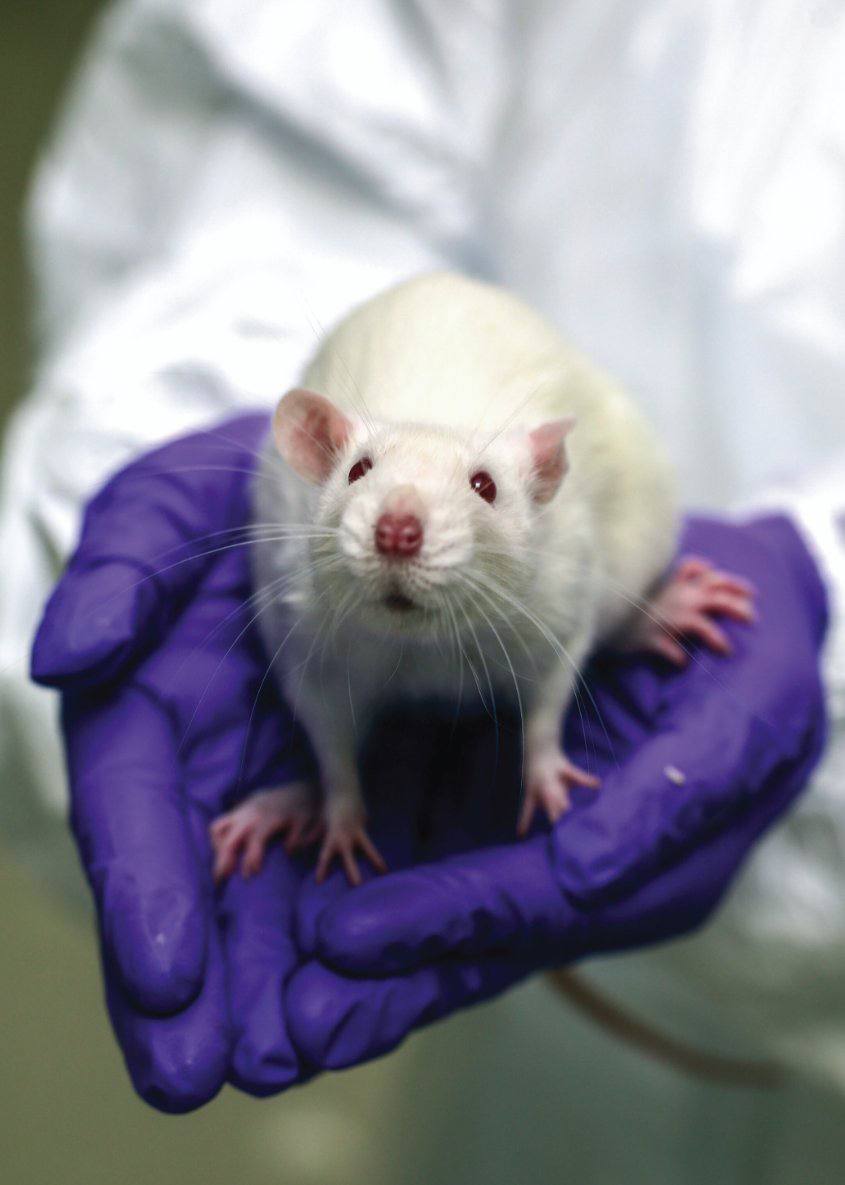
Scientists have identified a group of brain cells that may help explain why cannabis, which some people use to relax, can instead trigger anxiety, fear and panic in certain situations.
In a study published in Nature Communications on October 2, 2026, researchers investigated how cannabinoid drugs affect the brain’s response to threatening situations. The team exposed mice to the smell of fox urine, a natural predator cue, after administering a cannabinoid compound. The treated mice displayed stronger defensive responses, including more freezing and greater avoidance of the threatening smell.
Fox urine contains odours that mice instinctively associate with predators. Researchers use such cues to study how animals respond to danger and how the brain processes fear. Before exposing the mice to the smell, the scientists administered either a placebo or a synthetic cannabinoid drug. They then monitored the animals’ behaviour and recorded activity in brain cells involved in fear and stress responses.
The mice given the cannabinoid showed increased defensive behaviour compared with the control group. The findings suggest that cannabinoids can intensify an existing threat response, rather than simply producing a general feeling of relaxation.
The researchers focused on the central amygdala, a region of the brain that helps regulate fear, stress and defensive behaviour. Within this region, they identified a population of cells known as somatostatin neurons. These cells became more active after cannabinoid exposure, particularly when the mice encountered the threatening odour.
When researchers genetically silenced these neurons, the cannabinoid-treated mice showed less avoidance of the predator smell. This suggests that the cells play an important role in the drug’s ability to intensify certain defensive responses. The findings provide insight into how cannabinoids may alter the brain’s response to danger. However, the researchers have not established that this mechanism fully explains paranoia in humans.
THC, or tetrahydrocannabinol, is the main psychoactive compound in cannabis. Its effects can vary depending on the dose, a person’s sensitivity, their surroundings and other factors. Although some users experience relaxation, others can experience anxiety, panic or suspicious thoughts. A stressful or unfamiliar environment may make these unpleasant effects more pronounced.
The new research offers a possible biological explanation for this difference: cannabinoids may change how certain brain circuits respond when a threat is present. However, the experiment used a synthetic cannabinoid in mice, so the results should not be interpreted as a direct demonstration of how every person responds to cannabis.
Understanding the brain circuits involved in cannabinoid-related anxiety could help researchers investigate why some people experience negative psychological effects after using cannabis and whether those effects can be reduced safely.
The findings may also guide future studies into the relationship between stress, cannabinoid signalling and the brain systems that regulate fear. For now, the study provides a closer look at how a substance associated with relaxation can, under certain conditions, intensify defensive reactions instead.
Discover more from Scoop Hub
Subscribe to get the latest posts sent to your email.