Argentina’s peso has fallen to a new all-time low against the US dollar, highlighting the scale of the currency’s long-term decline. The official dollar selling rate reached about 1,545 Argentine pesos on September 25, 2026, according to historical exchange-rate data, while Argentina’s central bank reported a wholesale benchmark of roughly 1,519 pesos per US dollar.
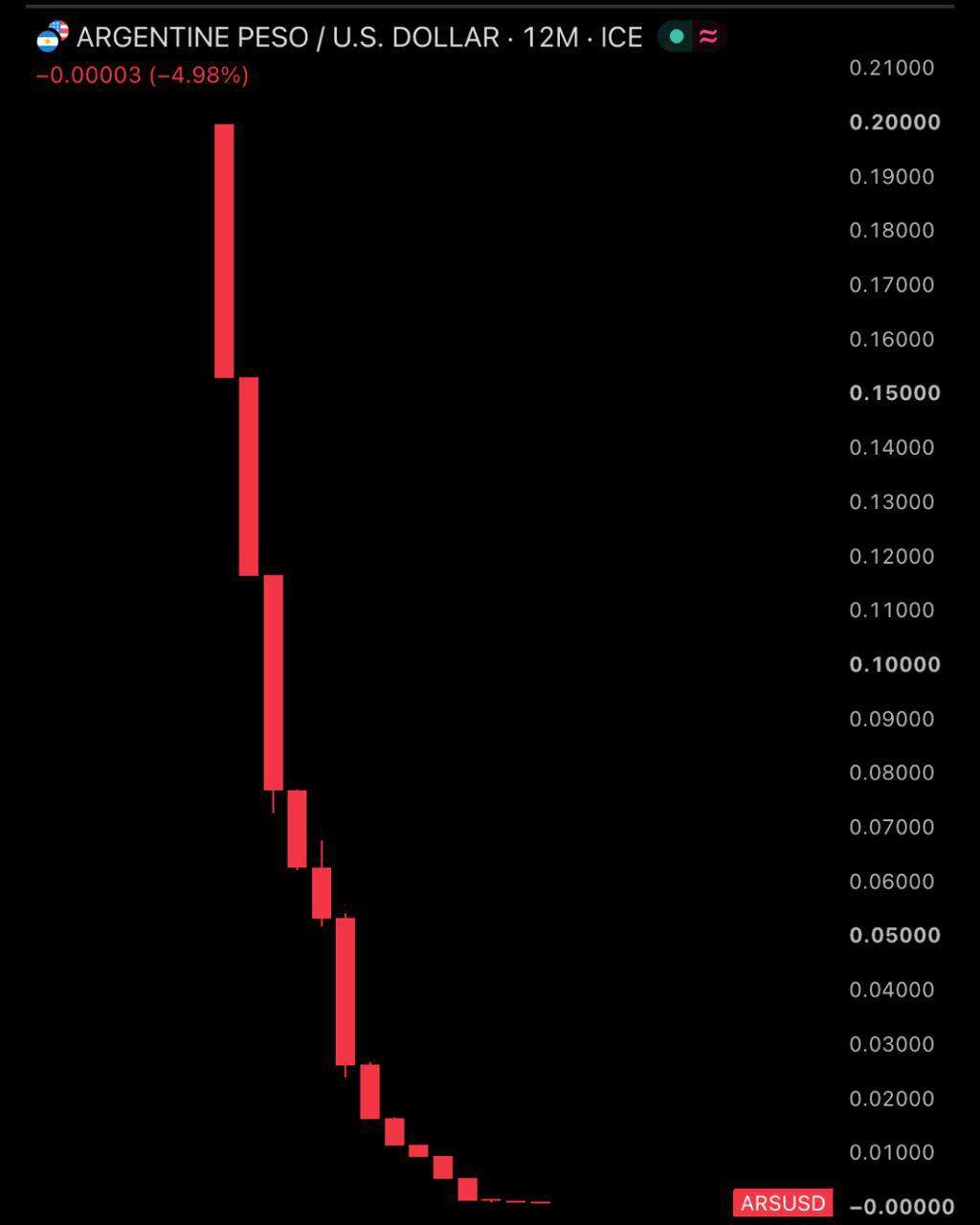
The latest decline means that far more pesos are now required to buy a single US dollar than at any point in the currency’s modern history. Compared with exchange rates in 2013, the peso has lost almost all of its value against the dollar.
Historical data shows the official and parallel exchange rates have risen dramatically over the period. In the parallel “blue dollar” market, for example, the exchange rate was around 10 pesos per dollar at the end of 2013, compared with roughly 1,540 pesos per dollar in September 2026.
That represents a more than 99% decline in the dollar value of the peso over the period. The exact 99.8% figure varies depending on the starting date and whether the official, blue-market or another exchange rate is used.
A weaker currency makes imports more expensive when measured in pesos and can put additional pressure on prices in an economy that has experienced prolonged periods of high inflation.
For Argentinians earning and saving primarily in pesos, a sharp depreciation also means their money buys fewer dollars and fewer imported goods than it did years ago.The exchange-rate decline has occurred through several stages, including major devaluations and periods of severe economic instability.
Argentina has also undergone significant changes in its economic policy in recent years as the government has attempted to stabilize inflation, rebuild confidence in the peso and strengthen the country’s fiscal position.
The latest exchange-rate data shows that the peso has continued trading near record lows. On September 25, the USD/ARS market rate reached about 1,526 pesos per dollar, according to market data, while Argentina’s central bank’s published retail rate was also at historically high levels.
The numbers illustrate just how dramatically Argentina’s currency has changed over the past decade. In 2013, a US dollar cost only a handful of pesos. Today, it costs more than 1,500. For Argentina, the challenge now is not simply preventing another record low, but restoring confidence in the currency while maintaining progress on inflation and the broader economy.
Discover more from Scoop Hub
Subscribe to get the latest posts sent to your email.