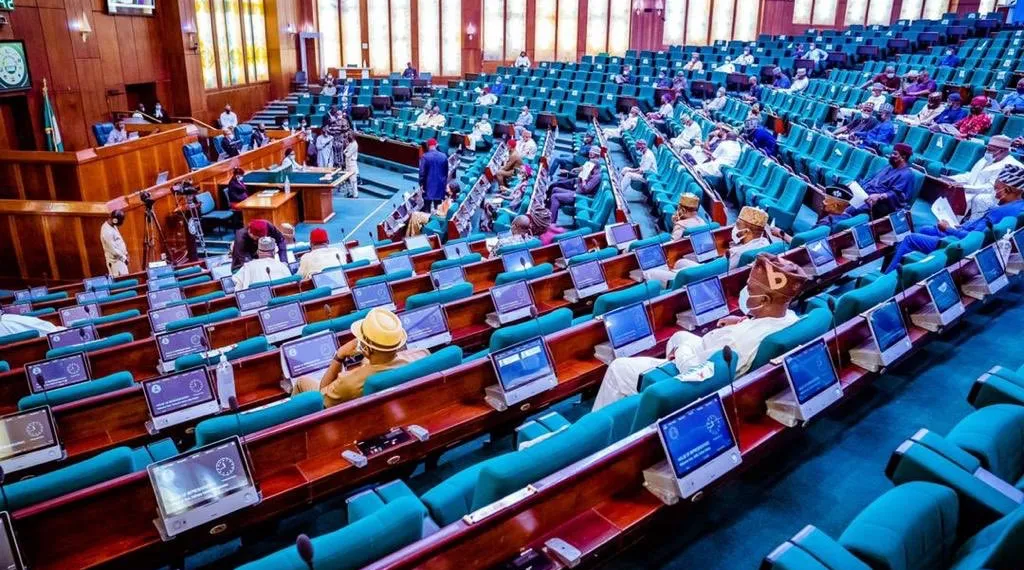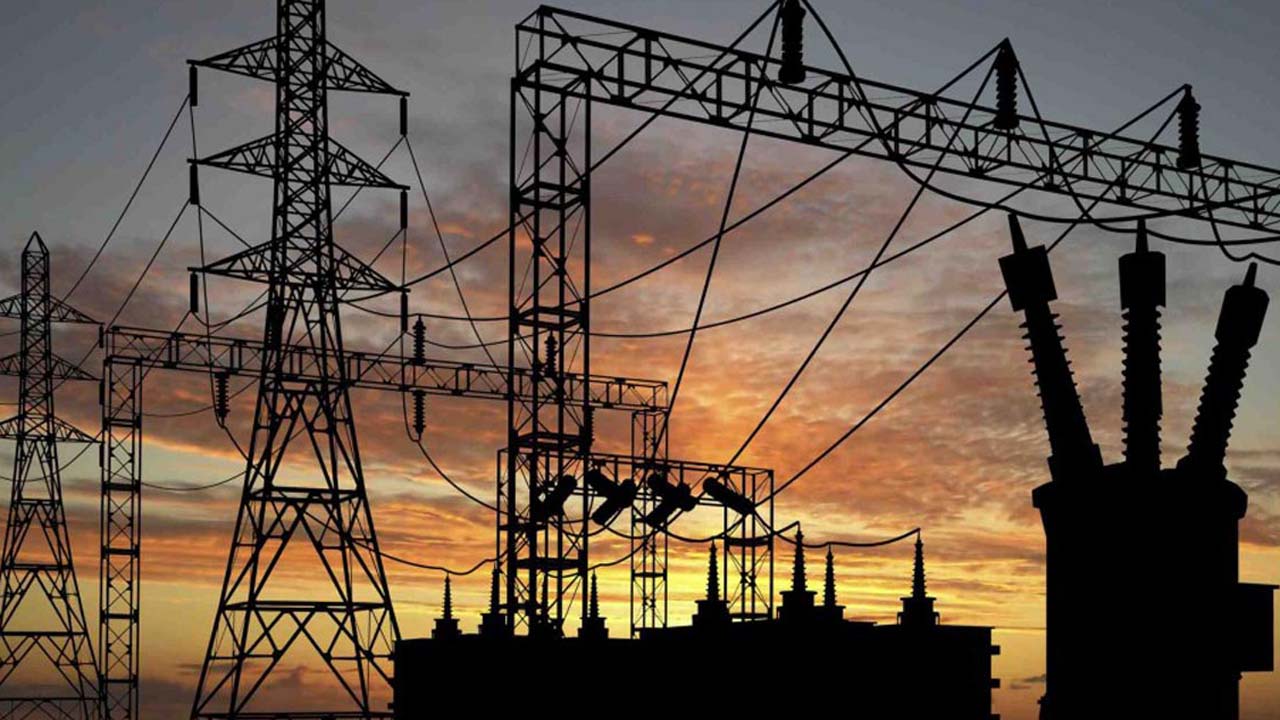
The Federal Government and the Lagos State Government have established joint committees to drive efforts towards achieving stable, 24-hour electricity supply across the Lagos corridor. The decision was reached on Monday, October 5, 2026, during a Ministerial Implementation Retreat on the Clean Lagos Electricity Market held at Lagos House, Marina.
Minister of Power Joseph Tegbe said Lagos had been selected as the pilot location for the Federal Government’s 24/7 Energy Zones initiative because the state accounts for an estimated 40 to 50 per cent of Nigeria’s electricity demand. Tegbe said the government was moving from discussions to practical interventions, with some measures expected to produce results in the short term.
As part of the initiative, a Joint Technical Working Committee has been established to identify and address the technical, regulatory and operational challenges affecting electricity supply in Lagos.
The committee will include representatives from the Federal Ministry of Power, Transmission Company of Nigeria, Rural Electrification Agency, Nigerian Electricity Regulatory Commission, Lagos Independent System Operator and Lagos State Electricity Regulatory Commission. It will be chaired by the Managing Director of the Nigerian Independent System Operator, with the Permanent Secretary of the Lagos State Ministry of Energy serving as co-chair.
A separate Steering Committee has also been constituted to oversee implementation. Lagos State Governor Babajide Sanwo-Olu will serve as chairman, while Minister Tegbe will serve as co-chairman.
Other members include the Special Adviser to the President on Power, the Permanent Secretary of the Federal Ministry of Power and Lagos State Commissioner for Energy Biodun Ogunleye.
The committees are expected to focus on key issues including grid stabilisation, market liquidity, grid expansion, and harmonisation of governance and regulatory frameworks.
The Federal Government has also engaged electricity distribution companies and secured commitments to increase power offtake and improve electricity delivery to customers along the Lagos corridor.
Sanwo-Olu described the discussions as productive and said officials had identified several “low-hanging fruits” that could lead to visible improvements for electricity consumers.
The Lagos pilot is expected to serve as a model for the planned expansion of the 24/7 Energy Zones initiative to the Abuja-Kaduna-Kano and Enugu-Port Harcourt corridors.
The initiative is intended to improve coordination across the electricity value chain and address constraints involving generation, transmission, distribution and the electricity market.
However, the establishment of the committees does not itself mean that Lagos has begun receiving uninterrupted 24-hour electricity. The immediate task is to implement the technical, regulatory and market measures required to make more reliable power supply possible.
The success of the Lagos pilot will therefore depend on how quickly the identified challenges are addressed and whether the planned interventions translate into more consistent electricity for homes, businesses and industries.
Discover more from Scoop Hub
Subscribe to get the latest posts sent to your email.