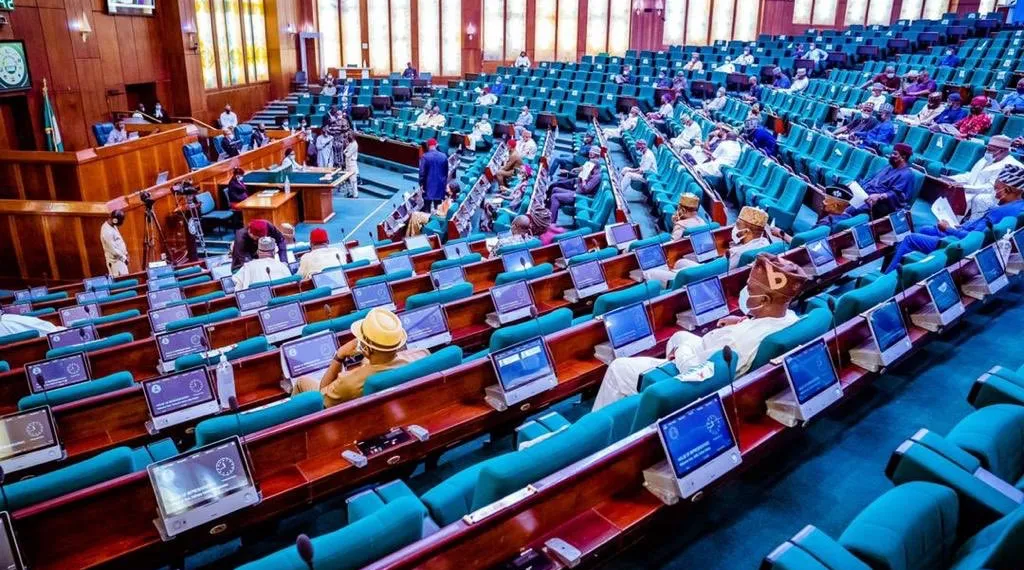
The House of Representatives Public Accounts Committee has begun questioning officials of the Nigerian National Petroleum Company Limited (NNPCL) and the Independent National Electoral Commission (INEC) over alleged financial breaches exceeding ₦802.19 billion.
The audit queries are contained in reports of the Auditor-General for the Federation covering the 2021, 2022 and 2023 financial years. The issues raised include questions relating to procurement, revenue management, payments, statutory remittances and compliance with government financial regulations.
Officials of NNPCL and INEC are expected to appear before the committee on Tuesday, October 6, as lawmakers seek explanations and supporting documents relating to the transactions identified in the audit reports. The committee is chaired by Bamidele Salam.
NNPCL accounts for about ₦514 billion of the queried amount. Among the issues reportedly identified by the Auditor-General are an alleged irregular deduction of ₦343.64 billion from domestic crude oil sales, ₦83.66 billion in miscellaneous revenue allegedly kept in a sinking fund account, and ₦82.95 billion in alleged unauthorised deductions from Federation revenue. A further ₦3.75 billion was reportedly flagged as a shortfall connected to petroleum product sales.
INEC, meanwhile, faces audit queries totalling about ₦288.19 billion. The issues reportedly cover procurement procedures, payments to contractors and failure to remit statutory deductions. Some of the queries relate to transactions during the tenure of former INEC Chairman Mahmood Yakubu.
One transaction previously highlighted in the Auditor-General’s 2022 report involved more than ₦5.31 billion allegedly paid for the procurement of smart card readers used during the 2019 general election without prior approval from the Bureau of Public Procurement.
The Public Accounts Committee is constitutionally empowered to examine public accounts and investigate matters relating to revenue losses, non-remittance of statutory funds and compliance with financial regulations. The current proceedings form part of its review of the Auditor-General’s findings.
However, an audit query does not automatically establish that a financial offence or misconduct occurred. The affected institutions are entitled to respond to the findings, explain the transactions and present documents supporting their positions before the committee determines whether further action is necessary.
The NNPCL and INEC hearings are part of a broader review by the committee, which is also questioning officials from several other government institutions over issues raised in the Auditor-General’s reports.
Discover more from Scoop Hub
Subscribe to get the latest posts sent to your email.