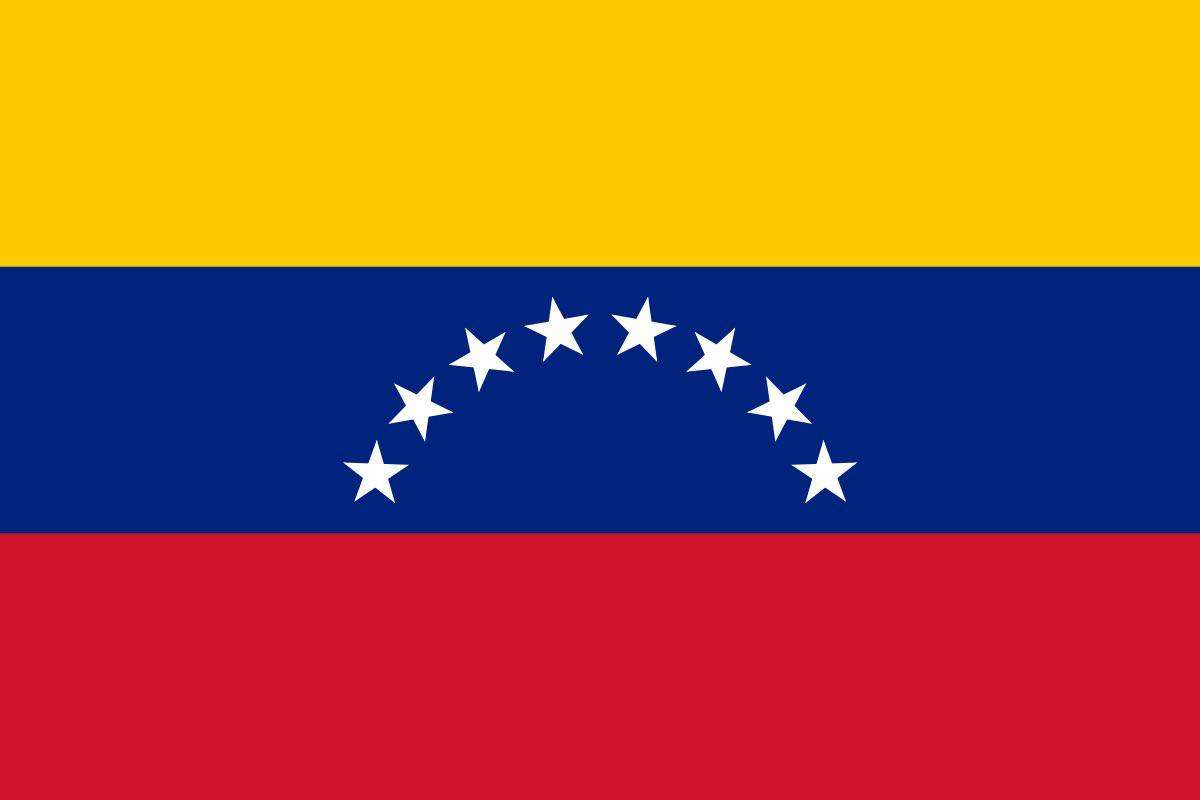
U.S. President Donald Trump has sparked fresh international debate after saying he is “seriously considering” the possibility of making Venezuela the 51st state of the United States.
The remarks, made during a conversation with Fox News correspondent John Roberts, come months after a major U.S. military operation in Venezuela led to the capture of former Venezuelan President Nicolás Maduro and his wife, Cilia Flores.
Trump’s latest comments suggest his administration may be exploring a more direct long-term role in the South American nation, which holds some of the world’s largest oil reserves. Speaking on the issue, Trump reportedly indicated that Venezuela’s strategic importance and vast natural resources make it a country of major interest to the United States.
The president has previously hinted at a broader vision for Venezuela following the U.S. intervention, stating earlier this year that the United States intended to help oversee the country’s transition and stabilize governance after Maduro’s removal.
Since the operation, Venezuela has been under the leadership of acting President Delcy Rodríguez, who quickly dismissed Trump’s latest remarks.
Speaking to reporters at the International Court of Justice in The Hague, Rodríguez firmly rejected any suggestion that Venezuela could be annexed by the United States. She emphasized that Venezuela remains committed to defending its sovereignty, territorial integrity, and national independence.
According to Rodríguez, Venezuela is not a colony but a free and independent country with a long history of self-determination.
Trump’s comments have already triggered widespread reactions from political observers, analysts, and international commentators. Supporters of the proposal argue that closer U.S. involvement could help stabilize Venezuela politically and economically following years of crisis, sanctions, and institutional collapse.
Critics, however, view the idea as politically provocative and legally unrealistic. Under the U.S. constitutional system, admitting a new state would require congressional approval, while any such move involving a sovereign foreign country would face enormous legal, diplomatic, and geopolitical obstacles.
Beyond constitutional hurdles, annexation would also almost certainly require the consent of the Venezuelan people and a major restructuring of both governance and international agreements.
The comments also add to Trump’s growing list of unconventional geopolitical proposals, as he has previously made controversial remarks about territorial expansion and U.S. influence abroad.
For Venezuela, the development introduces fresh uncertainty at a delicate moment in its political transition. The country has remained under close international scrutiny following the removal of Maduro and ongoing questions surrounding governance, resource control, and democratic restoration.
Discover more from Scoop Hub
Subscribe to get the latest posts sent to your email.