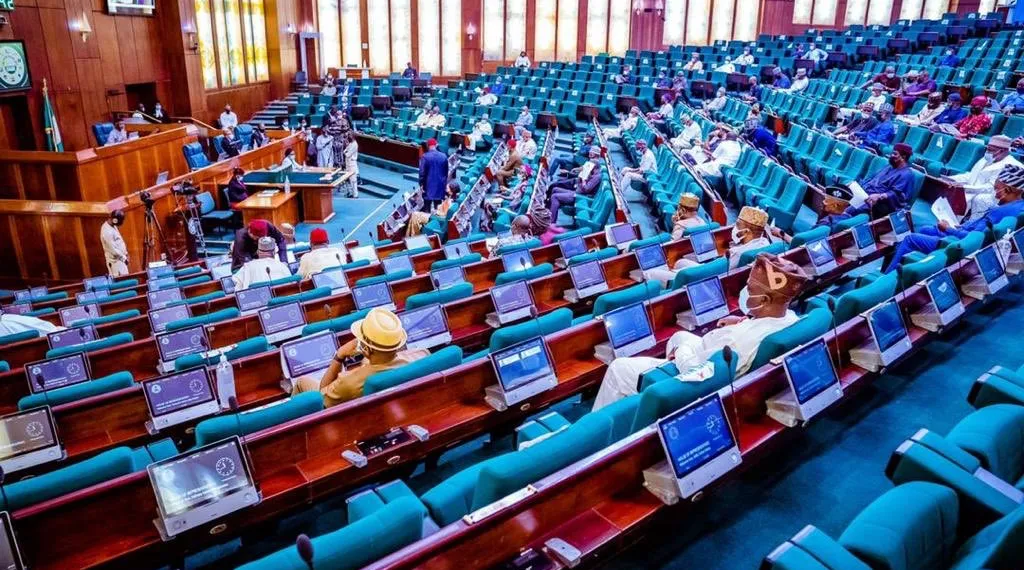
Nigeria has moved closer to establishing state police after the Senate confirmed that all 36 State Houses of Assembly have approved the proposed constitutional amendment, paving the way for President Bola Tinubu to sign it into law.
The Senate reached the decision on Wednesday, November 18, 2026, following a motion presented by Senate Leader Opeyemi Bamidele, who informed lawmakers that the bill had fulfilled the constitutional requirements for its passage.
The proposed legislation, known as the Constitution of the Federal Republic of Nigeria (Sixth Alteration) Bill, 2026, seeks to amend the 1999 Constitution to provide for the establishment of State Police Services alongside the existing federal policing structure.
According to Bamidele, the Senate passed the bill on June 24, 2026, while the House of Representatives approved it on July 23, 2026. The proposal was subsequently forwarded to the 36 state legislatures for approval in accordance with Section 9(2) of the Nigerian Constitution.
With all 36 state assemblies endorsing the amendment, the National Assembly confirmed that the constitutional requirements had been satisfied.
Following the Senate’s resolution, the constitutional amendment bill was formally transmitted to President Bola Tinubu for assent.
The Presidency subsequently confirmed that Tinubu had received the bill through his Chief of Staff, Femi Gbajabiamila, who disclosed that the President would review the proposed amendment in consultation with the Attorney-General of the Federation before granting assent at a formal signing ceremony.
The development represents a significant step towards changing Nigeria’s centralised policing structure and allowing individual states to establish their own police services.
Despite the progress on the constitutional amendment, the Senate stressed that additional legislation would be required to establish the operational framework for state police.
Lawmakers urged President Tinubu to forward the proposed National Policing Bill to the National Assembly for legislative consideration and passage.
The proposed legislation is expected to outline the responsibilities, operational procedures, oversight mechanisms and relationship between state police services and the Federal Police Service. It is also expected to establish safeguards against potential political interference and misuse of state police powers by public office holders.
The proposed reform is intended to decentralise policing responsibilities by allowing states to establish their own police services to address security challenges within their territories. Under the proposed arrangement, state police would operate alongside the Federal Police Service, with their respective responsibilities defined by the constitutional and legislative framework.
However, the establishment of state police will depend on presidential assent and the completion of the necessary implementing legislation and procedures. The latest development brings Nigeria closer to a major restructuring of its policing system, following years of discussions and calls for greater decentralisation of security operations.
Discover more from Scoop Hub
Subscribe to get the latest posts sent to your email.