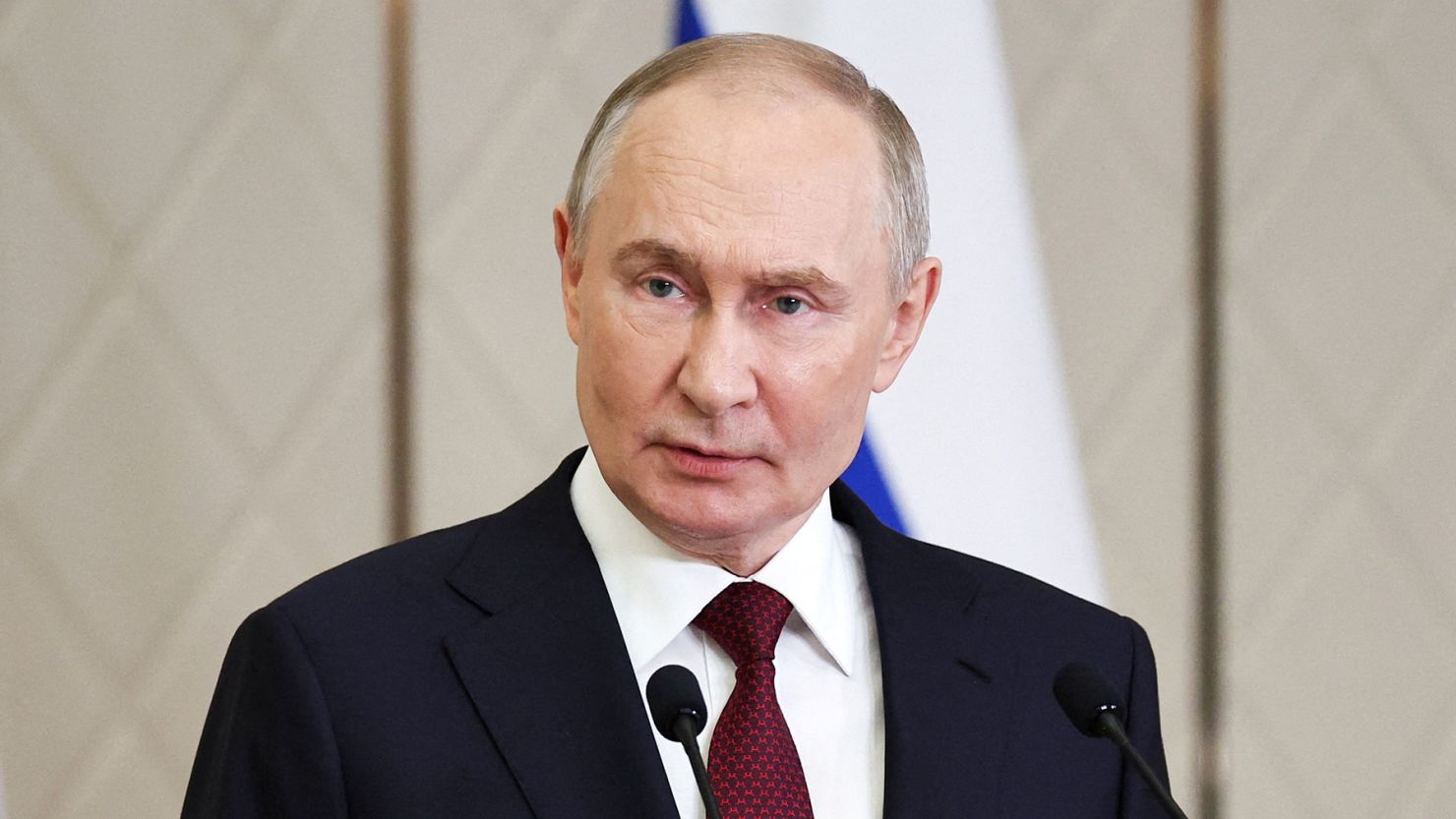
Russian President Vladimir Putin’s ruling United Russia party has secured 355 of the 450 seats in the State Duma, according to preliminary results released by the country’s Central Election Commission.
The figures, announced on Monday, September 21, 2026, followed a three-day parliamentary election in which more than 95% of votes had reportedly been counted. The result would give United Russia its largest parliamentary majority to date, surpassing its previous record of 343 seats in 2016.
The Central Election Commission said United Russia received 57.83% of the party-list vote, compared with 49.8% in the 2021 parliamentary election.
The party also led in 208 of the 225 single-member constituencies, contributing to its projected total of 355 seats in the 450-member chamber. The Communist Party reportedly came second with 40 seats, while the Liberal Democratic Party of Russia won 25 seats and the New People party secured 20 seats, according to preliminary figures.
The election was the first parliamentary vote in Russia since Moscow launched its full-scale invasion of Ukraine in February 2022.
The voting took place amid restrictions on anti-war political activity and the exclusion of some opposition groups and candidates. Critics have questioned the competitiveness of the process, while Russian authorities have described the result as evidence of public support for Putin and his government.
Voting was also conducted in territories of Ukraine that Russia claims to have annexed. Kyiv and several Western governments reject the legitimacy of elections held in those areas.
If confirmed, United Russia’s 355 seats would preserve and expand its constitutional majority in the State Duma. Such a majority allows the party to advance constitutional amendments and major legislation with limited dependence on other parliamentary groups.
The Central Election Commission said final results would be announced after the completion of the counting and verification process. The result strengthens United Russia’s position in Russia’s legislature, although the election’s conduct and the level of genuine political competition remain subjects of international criticism.
Discover more from Scoop Hub
Subscribe to get the latest posts sent to your email.