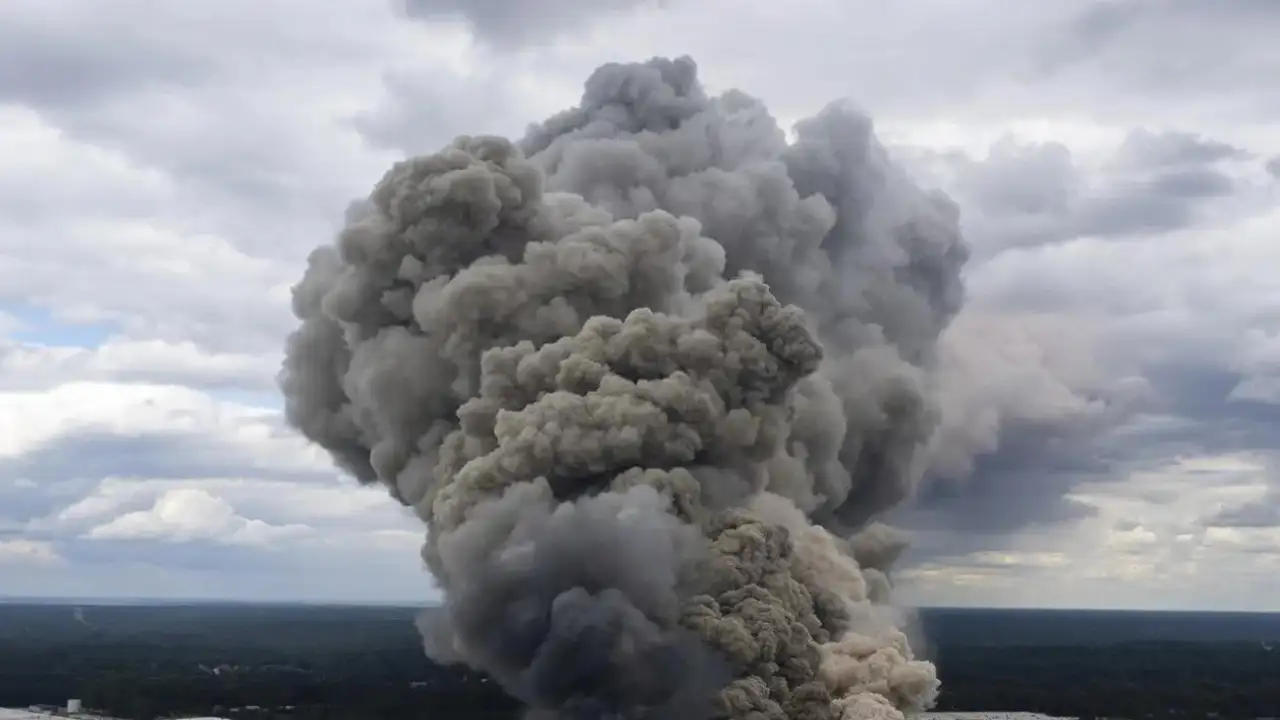
In the early morning light, the true toll of devastation unfolded across Beirut and the quiet southern village of Ein Qana. The aftermath of another violent night left shattered glass, scorched earth, and grieving families in its wake—reminders of a conflict that refuses to fade.
In Beirut, the bustling capital that once symbolized cosmopolitan vibrancy, silence hung heavy over streets now littered with debris. Damaged buildings, blackened by smoke, stood as monuments to the night’s destruction. Residents emerged cautiously, assessing the damage to homes, businesses, and lives yet again disrupted by the echoes of war.
In Ein Qana, a small village nestled among the hills of southern Lebanon, the scene was just as haunting. What had been quiet farmland and family homes turned overnight into a landscape marked by craters and broken structures. Villagers gathered in stunned silence, some mourning the injured, others still searching through rubble for signs of life.
READ ALSO: German Chancellor Acknowledges Rise in Imported Antisemitism Amid Migration Surge

While investigations continue into who was responsible for the latest round of strikes, locals say they are tired of waiting for answers—and peace. “We are caught in the middle of powers far bigger than us,” said one resident of Ein Qana. “But every time, it’s the people who pay the price.”
Humanitarian groups have begun mobilizing in both regions, offering medical aid, food, and shelter to those affected. But the emotional scars left behind may take far longer to heal.
Discover more from Scoop Hub
Subscribe to get the latest posts sent to your email.