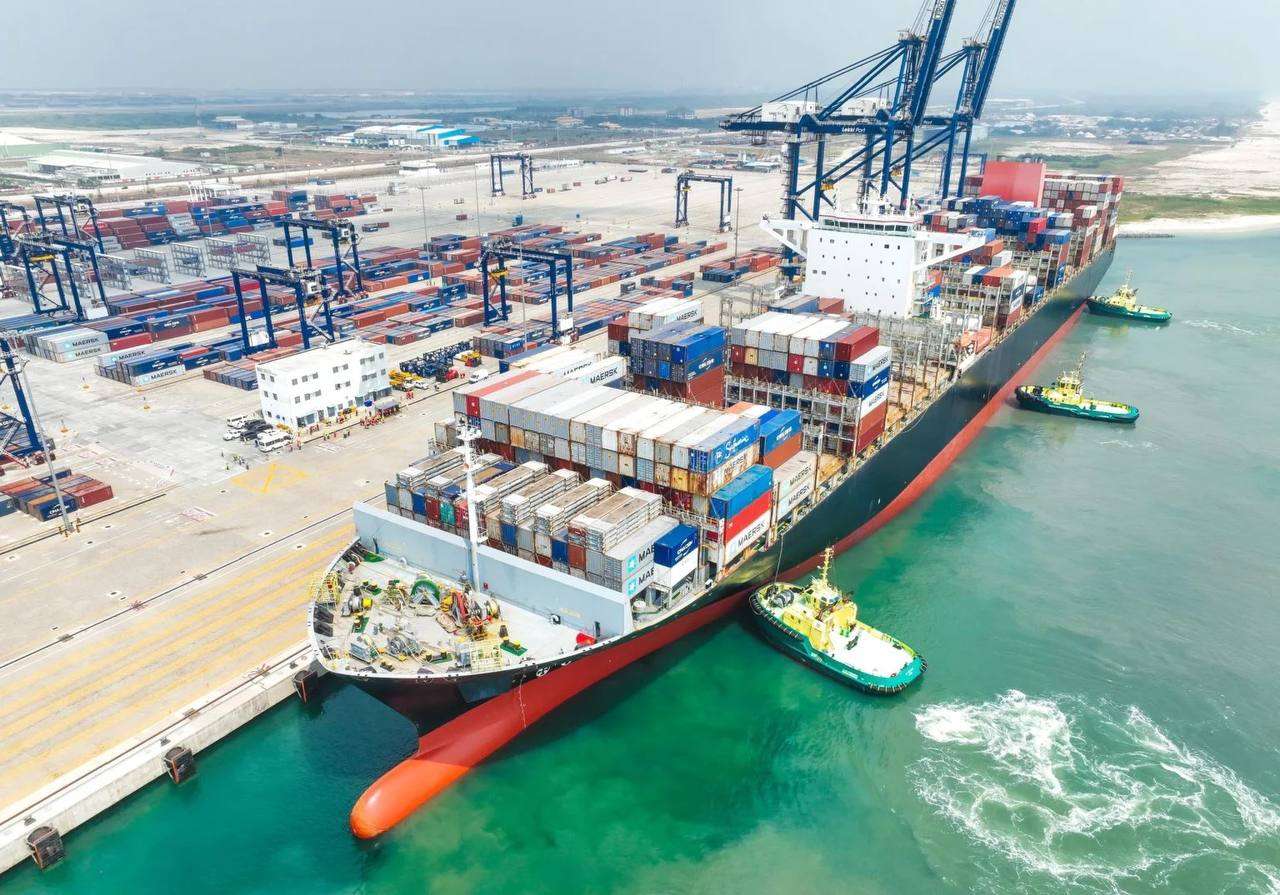
Operations around Nigeria’s Lekki Deep Seaport are facing growing pressure as worsening traffic congestion along the Lekki-Epe corridor continues to disrupt the movement of trucks and other vehicles serving the port. Stakeholders operating around the Lekki port axis say the persistent gridlock is beginning to affect cargo evacuation and could further undermine port operations if it is not urgently addressed.
They have blamed weak enforcement of traffic regulations, particularly the failure to ensure that truckers use designated truck parks before receiving access to the port corridor.
An electronic truck call-up system is already in place to regulate the movement of articulated trucks into and out of the port and surrounding industrial facilities. However, stakeholders say the system is being undermined when truckers with call-up tickets proceed directly to the port instead of waiting at designated parks.
The situation has also raised concerns among investors who have put money into accredited truck parks along the corridor. Operators say poor patronage of the facilities is affecting their businesses despite investments made in anticipation of the state’s traffic management arrangements.
One park operator, Shile Oloto, Managing Director of Admoore Park, said more than ₦500 million in bank loans had been invested in the facility over the past three years without a corresponding return on investment. Stakeholders argue that stronger enforcement would encourage truckers to use the designated parks and prevent articulated vehicles from occupying the roads while waiting to access the port.
The Port Manager of Lekki Port, Emmanuel Anda, also raised concerns over the situation, saying there have been instances where tankers and container trucks completely blocked both sides of the road.
He warned that continued unregulated truck movement could increase the risk of road accidents and further disrupt activities around the Lekki Free Trade Zone.
The Lagos State Government has acknowledged the congestion and says it is taking steps to strengthen enforcement. Commissioner for Transportation Seun Osiyemi said some of the recent congestion has been linked to truckers rushing to the port following rumours of impending fuel price increases.
He said the government remained committed to enforcing traffic regulations while avoiding measures that could unnecessarily trigger protests or disrupt business activities.
The government has also announced plans to deploy additional traffic management personnel to the Lekki and Apapa port corridors.
Special Adviser to the Governor on Transportation, Sola Giwa, said a review of the existing enforcement process identified gaps that require a new strategy. The state plans to strengthen enforcement of the E-Call-Up system and improve the movement of articulated trucks around the ports.
Officials have also indicated that shift schedules will be introduced to maintain traffic-management presence along the corridors, while officers found to be underperforming could be redeployed.
The latest development has renewed concerns about the ability of the rapidly expanding Lekki industrial and maritime corridor to handle increasing truck traffic efficiently.
For businesses that depend on the port and refinery corridor, stakeholders say effective enforcement, proper use of truck parks and coordinated traffic management will be crucial to preventing congestion from becoming a bigger obstacle to cargo evacuation and commercial activity.
Discover more from Scoop Hub
Subscribe to get the latest posts sent to your email.