The Confederation of African Football (CAF) has backed FIFA’s decision to acknowledge mistakes in the handling of its proposed FIFA Forward Enterprise, while unanimously reaffirming its support for FIFA President Gianni Infantino.
The position was reached during a meeting of the CAF Executive Committee, where members endorsed a joint statement issued by Infantino and FIFA Secretary General Mattias Grafström following the controversy surrounding the proposed commercial initiative.
FIFA announced the FIFA Forward Enterprise on July 28, 2026, describing it as a proposed FIFA-owned commercial subsidiary that would oversee major commercial and event operations, including the World Cup. The initiative was also designed to raise approximately $4.2 billion by selling minority stakes to investors.
FIFA said the proposal was intended to generate additional resources for football development across its 211 member associations. However, the plan quickly attracted criticism over the consultation process, particularly concerns that FIFA’s Council and member associations had not been sufficiently involved before the proposal was presented.
The controversy prompted FIFA to withdraw the proposal and acknowledge shortcomings in the way the initiative had been developed and communicated.
In a joint update issued on August 6, Infantino and Grafström apologised for the process and admitted that FIFA’s Council and member associations should have been more involved.
FIFA said the exclusion was not intentional but acknowledged that the process should have been handled differently. The organisation also announced that it would conduct a review, with the findings expected to be presented to the FIFA Council at its next scheduled meeting.
While withdrawing the proposal, FIFA maintained that the steps taken were within its existing regulatory framework.
CAF subsequently endorsed the joint update, saying it welcomed FIFA’s willingness to recognise the shortcomings and review the process.
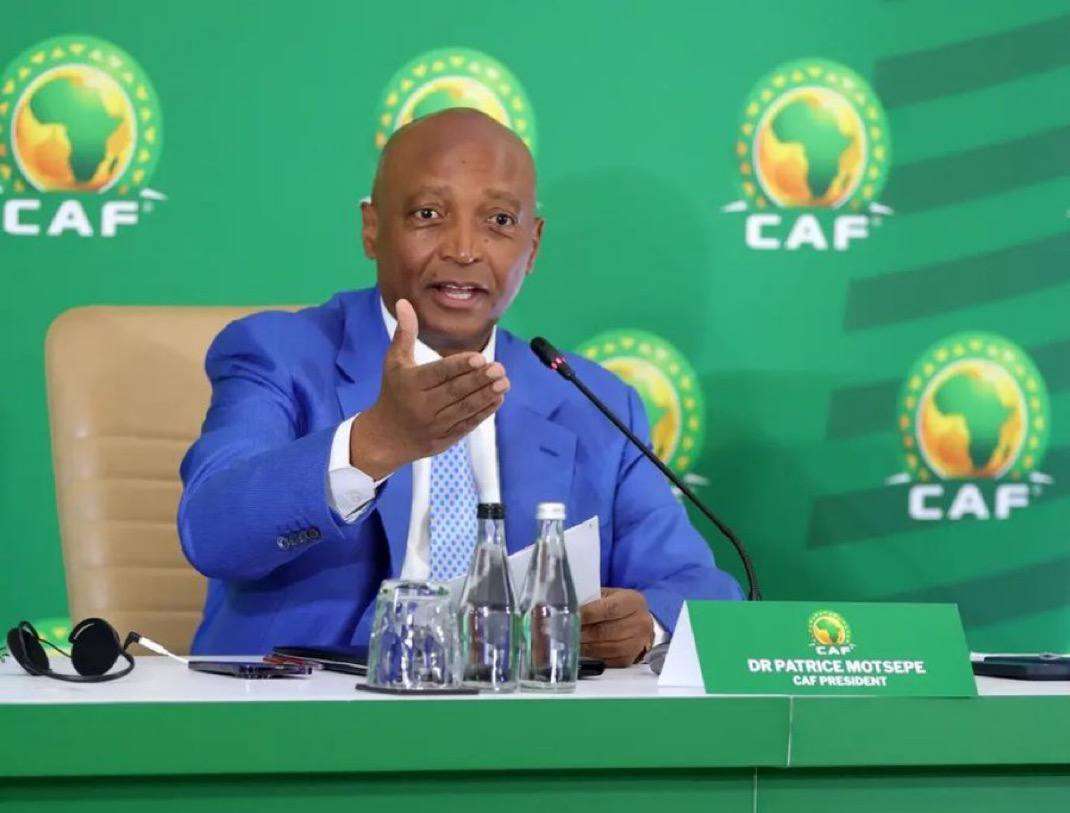
CAF President Patrice Motsepe said good governance, transparency and due process were essential to the organisation’s operations and to African football’s relationship with global football institutions.
He stressed that CAF expects the same standards of accountability from governments, businesses and other organisations and would continue working with FIFA, national associations, other continental confederations and football stakeholders to uphold international governance and transparency standards.
The CAF Executive Committee also unanimously reaffirmed its support for Gianni Infantino, while thanking him for his continued support for African football.
The committee also expressed appreciation to Infantino, Grafström and the wider FIFA administration for what CAF described as a successful 2026 FIFA World Cup.
Beyond the FIFA controversy, CAF used the meeting to highlight its broader development priorities. The organisation said it remains focused on developing men’s and women’s footballers, coaches and trainers, as well as strengthening national teams and amateur and professional competitions across its 54 member associations.
Motsepe also disclosed that CAF is making progress in discussions with existing and potential sponsors, partners and investors. The goal, according to the CAF president, is to ensure that the organisation remains financially self-sustaining and independent while supporting the construction and improvement of football stadiums and other infrastructure across the continent.
Preparations are also continuing for the TotalEnergies CAF Africa Cup of Nations Kenya, Tanzania and Uganda (PAMOJA) and other CAF competitions. Meanwhile, CAF described the ongoing TotalEnergies CAF Women’s Africa Cup of Nations 2026 in Morocco as a major success, praising the high standard of football being displayed throughout the tournament.
The latest development reinforces CAF’s close relationship with FIFA while also highlighting the growing importance of transparency and consultation in the governance of international football. For CAF, the message is clear: support for FIFA remains strong, but good governance and due process must remain central to the administration and development of the sport.
Discover more from Scoop Hub
Subscribe to get the latest posts sent to your email.